




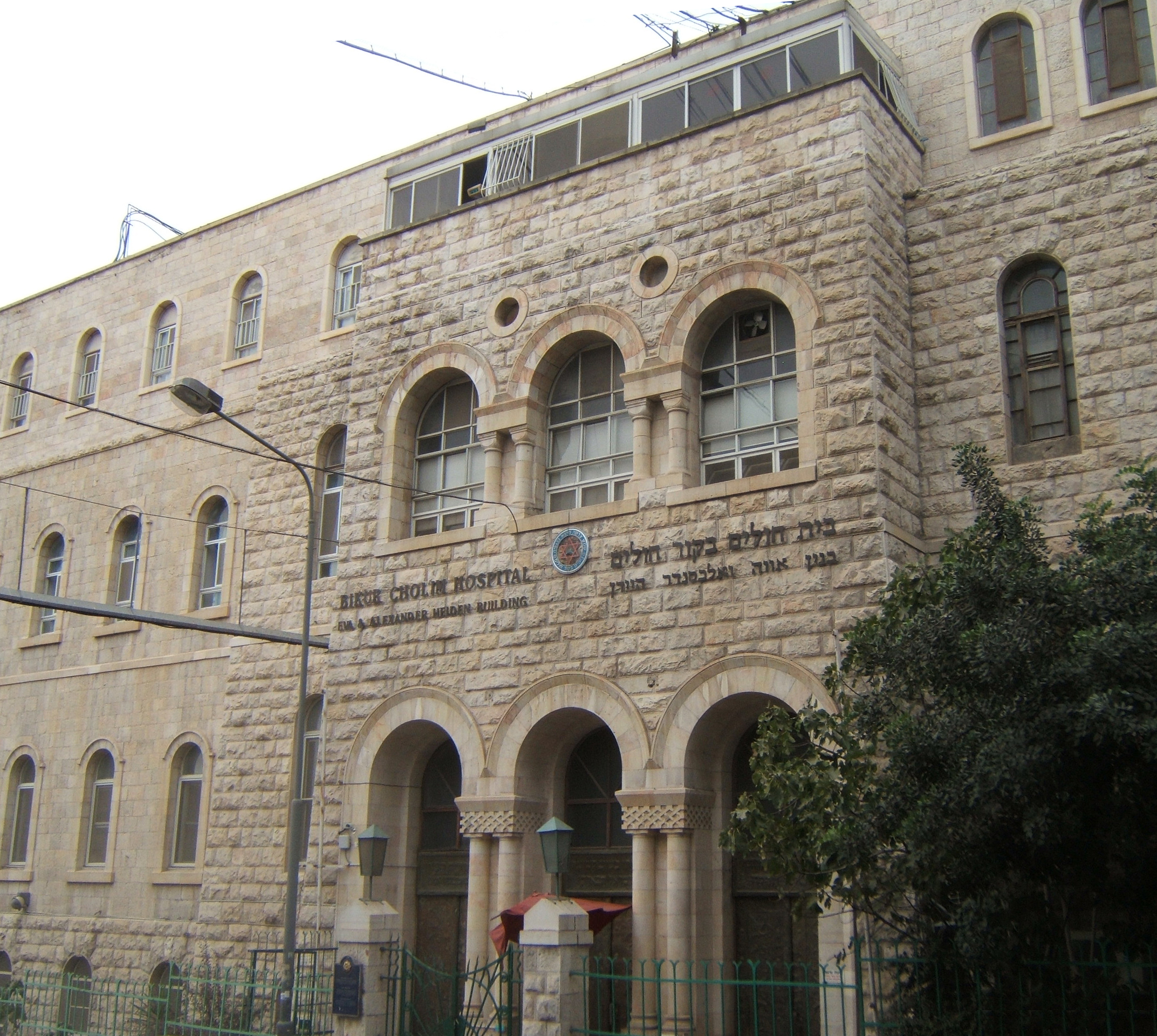
Bikur Holim Hospital
Cardiology Cardiovascular Surgery
Ear Nose Throat ENTEar Nose Throat ENT
GynaecologyGynaecology
PediatricianPediatrician
Hospital Quick Facts
Bikur Holim Hospital in Jerusalem, with a history spanning over 175 years, was known for offering a variety of specialized services before it faced financial difficulties and ceased operating independently. Located initially in the Old City's Jewish Quarter, most of its departments were relocated to the Ge’ula neighborhood in 1924, though it continued to manage chronic diseases from the original facility until 1948. This hospital played a critical role during emergencies due to its central location in downtown Jerusalem, especially significant during periods of conflict when other hospitals were less accessible.
The hospital included a range of specialized services such as a cardiac unit and facilities for high-risk pregnancies. It also provided general and emergency care, serving both Jewish and non-Jewish communities of Jerusalem. Bikur Holim was particularly noted for its adherence to religious practices, catering extensively to the Haredi Jewish community and observing Shabbat strictly, with non-Jewish employees handling tasks like recording medical information and answering phones during the Sabbath.
Despite its closure as an independent entity, Bikur Holim Hospital's legacy in providing critical healthcare services in Jerusalem is noteworthy.
About Us
Bikur Holim Hospital, located in the heart of Jerusalem, has a storied history dating back to its origins in the 19th century. Established to serve the healthcare needs of the local community, the hospital was the oldest still operating in Jerusalem until its closure in the early 21st century due to financial difficulties. Originally situated in the Old City’s Jewish Quarter, the hospital moved most of its departments in 1924 to a new building in the Ge'ula neighborhood, where it continued to operate until 1948, serving a critical role during various conflicts and emergencies due to its central location.
Bikur Holim was known for its commitment to serving all residents of Jerusalem, regardless of their background, and had a significant impact during times of crisis, such as the Palestine riots and the Arab revolt. The hospital was particularly important for its proximity to Jerusalem's center, making it crucial during emergencies where rapid medical attention was required. Over the years, the hospital expanded its services and facilities, including the establishment of specialized units like a cardiac unit and facilities for high-risk pregnancies, supported by organizations such as the Jerusalem Foundation.
Despite its significant role in the community, Bikur Holim faced financial challenges, exacerbated by funding issues and the pressure of maintaining operations in the competitive healthcare environment of Israel. This led to its eventual integration into the Shaare Zedek Medical Center system, where it continues to serve the community in a different capacity.
Speciality
Bikur Holim Hospital in Jerusalem, with a history spanning over 175 years, was known for offering a variety of specialized services before it faced financial difficulties and ceased operating independently. Located initially in the Old City's Jewish Quarter, most of its departments were relocated to the Ge’ula neighborhood in 1924, though it continued to manage chronic diseases from the original facility until 1948. This hospital played a critical role during emergencies due to its central location in downtown Jerusalem, especially significant during periods of conflict when other hospitals were less accessible.
The hospital included a range of specialized services such as a cardiac unit and facilities for high-risk pregnancies. It also provided general and emergency care, serving both Jewish and non-Jewish communities of Jerusalem. Bikur Holim was particularly noted for its adherence to religious practices, catering extensively to the Haredi Jewish community and observing Shabbat strictly, with non-Jewish employees handling tasks like recording medical information and answering phones during the Sabbath.
Despite its closure as an independent entity, Bikur Holim Hospital's legacy in providing critical healthcare services in Jerusalem is noteworthy.
Quality
The Bikur Holim Hospital in Jerusalem, which has a long history dating back to the 19th century, was renowned for its obstetrics and cardiac departments as well as a modern neonatal intensive care unit. However, it closed due to financial difficulties in the second decade of the 21st century. Until its closure, it was the oldest operating hospital in Israel, serving a significant number of patients annually .
Vision & Mission
Bikur Holim Hospital, established in the 19th century in Jerusalem, has been a significant healthcare institution with a mission deeply rooted in serving the community. Its strategic direction was primarily focused on providing accessible medical services to all residents of Jerusalem, irrespective of their background. Historically, the hospital was known for its response during emergencies and its strategic location in downtown Jerusalem made it crucial for immediate care, especially during the times of conflict or terror attacks.
The hospital also held a strong religious orientation, catering specifically to the needs of the Haredi Jewish community, which is prevalent in the nearby neighborhoods. This included observing Shabbat and offering services aligned with Orthodox Jewish laws. Over the years, Bikur Holim expanded its facilities and services, incorporating modern medical technology and extending its care to include specialized departments like a neonatal unit and a cardiac unit, reflecting its commitment to meet the evolving health needs of the community.
However, despite its historical significance and contributions to healthcare in Jerusalem, Bikur Holim faced financial difficulties, which led to its acquisition by Shaare Zedek Medical Center. This transition marked the end of its operation as an independent entity but allowed its legacy and services to continue under a new administration.
Today, the hospital still plays a vital role in the healthcare system of Jerusalem, albeit as part of the larger network of Shaare Zedek, ensuring that the foundational values of service and community care endure.
Awards & Recognition
Bikur Holim Hospital in Jerusalem has been recognized for its critical role and longstanding service in the healthcare sector. Although specific awards and recognitions for the hospital are not detailed extensively in available online resources, the hospital's impact and its importance in medical and community services over the years highlight its significance.
The hospital, with its deep roots dating back to the 19th century, has been a pivotal healthcare institution in Jerusalem, especially noted for its strategic location which allowed it to serve as a vital center during emergencies and conflicts. The Jerusalem Foundation supported the hospital by funding essential medical equipment for various units, including a cardiac unit and facilities for high-risk pregnancies, reflecting the community's trust and appreciation for the institution's services.
Moreover, the modern incarnation of Bikur Holim under the broader scope of Bikur Cholim organizations has been recognized by the New York State Department of Health, which underscores its commitment to healthcare excellence and community service.
Although the specific citations and awards were not detailed in the sources, the hospital’s history and the support it has received indicate a valued presence in the healthcare community, both locally and in broader contexts.
Read real patient testimonials of Bikur Holim Hospital and discover inspiring stories of healing, compassionate care, and life-changing experiences at our hospital.
Testimonials from patients and their families about Bikur Holim services reflect a deep appreciation for the support provided during challenging times. One example is the Passover gift bag provided to a patient at George Washington University Hospital, which was described as a lovely and appreciated change from the hospital's routine. Another testimonial mentioned the warmth and comfort brought by a Shabbat dinner, which helped the recipients feel connected to the Jewish community during their hospital stay.
Bikur Holim has been recognized for creating a "home away from home" for patients, with medical professionals noting that the organization’s supportive environment contributes positively to patient care. The testimonials highlight how the organization's volunteers and services have brought peace, happiness, and meaningful experiences to many during their time of need.
In its long history, Bikur Holim Hospital in Jerusalem has been a critical institution in the city's healthcare landscape, especially noted for its strategic location and ability to provide rapid care during emergencies. This includes a high percentage of Haredi Jews, for whom the hospital caters to specific religious needs, ensuring Sabbath observance and providing kosher food.
Overall, the feedback from those who have interacted with Bikur Holim's services often speaks to a strong community connection and an enduring commitment to caring and compassion, essential during medical and personal crises.
My Blog
Stay informed with the latest health tips, hospital updates, medical insights, and wellness articles curated by Bikur Holim Hospital.
Stories
Ask questions
Comments
Tell us what you think—leave your comments for Bikur Holim Hospital.
Download the MyHospitalNow app
Are you Patient?
- Free Surgery Cost Estimation
- Free Consulting with Best Hospital
- Free Consulting with Best Doctors
- Lowest Treatment Cost
- World Class Hospitals Options
- Tour to your Dream Country


Are you Hospital?
- Free International Surgery Query
- Free Hospital Profile
- Directly Interact with Patients
- Free Services/Offer Publishing
- Free Medical Tourism IT Platform
- Free Case Management Software
Are you Doctor?
- Free International Surgery Query
- Free Doctor Profile
- Directly Interact with Patients
- Free Services/Offer Publishing
- Free Medical Tourism IT Platform
- Free Case Management Software
Leave a Comment