




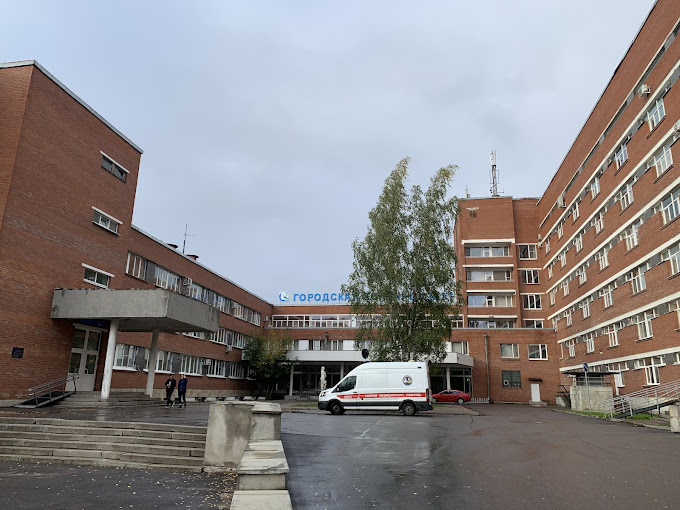
City Clinical Hospital
Cardiology & Cardiovascular Surgery
Neurology & Neuro SurgeryNeurology & Neuro Surgery
Oncology / CancerOncology / Cancer
Hospital Quick Facts
City Clinical Hospital No. 31 offers a wide range of specialized medical services to address the diverse healthcare needs of its patients. Some of the hospital's key specialized services include:
- Cardiovascular Diseases Center: The center provides comprehensive diagnostic and treatment services for patients with cardiovascular diseases, including coronary artery disease, heart failure, arrhythmias, and valvular heart disease. The center is equipped with state-of-the-art technology, such as cardiac catheterization labs, echocardiography, and stress testing, to ensure accurate diagnosis and effective treatment.
- Endocrinology and Diabetology Center: The center offers specialized care for patients with endocrine and metabolic disorders, such as diabetes, thyroid disease, and osteoporosis. The center's multidisciplinary team includes endocrinologists, diabetes educators, nutritionists, and psychologists, who work together to provide individualized treatment plans for each patient.
- Neurology and Neurosurgery Department: The department provides diagnostic and treatment services for patients with neurological disorders, such as stroke, epilepsy, Parkinson's disease, and multiple sclerosis. The department is equipped with advanced diagnostic tools, such as MRI, CT, and EEG, and offers a range of treatment options, including medication, surgery, and rehabilitation.
- Oncology Department: The department provides comprehensive diagnostic and treatment services for patients with cancer, including chemotherapy, radiation therapy, and surgery. The department has a multidisciplinary team of oncologists, radiologists, surgeons, and pathologists, who work together to provide personalized treatment plans for each patient.
About Us
City Clinical Hospital No. 31 (CCH 31) is a multidisciplinary medical institution located in Moscow, Russia. It is one of the oldest and largest hospitals in the city, providing a wide range of medical services to both adults and children.
The hospital has a rich history dating back to the early 20th century when it was founded as a city infectious diseases hospital. Over the years, CCH 31 has expanded and evolved to meet the growing healthcare needs of the Moscow population. Today, it is a modern medical facility equipped with the latest technology and staffed by highly skilled healthcare professionals.
CCH 31 offers a comprehensive range of medical services, including emergency care, surgery, internal medicine, pediatrics, obstetrics and gynecology, neurology, oncology, and many others. The hospital also has several specialized centers, such as the Center for Diagnostics and Treatment of Cardiovascular Diseases, the Center for Endocrinology and Diabetology, and the Center for Rehabilitation Medicine.
The hospital is committed to providing high-quality medical care to its patients, with a focus on patient safety, comfort, and satisfaction. It has implemented numerous quality improvement initiatives, such as the use of electronic medical records, a patient feedback system, and regular staff training and education.
CCH 31 also plays an active role in medical research and education, collaborating with several leading medical universities and research institutions in Russia and abroad. It provides training and internship opportunities for medical students, residents, and fellows, contributing to the development of the next generation of healthcare professionals.
Speciality
City Clinical Hospital No. 31 offers a wide range of specialized medical services to address the diverse healthcare needs of its patients. Some of the hospital's key specialized services include:
- Cardiovascular Diseases Center: The center provides comprehensive diagnostic and treatment services for patients with cardiovascular diseases, including coronary artery disease, heart failure, arrhythmias, and valvular heart disease. The center is equipped with state-of-the-art technology, such as cardiac catheterization labs, echocardiography, and stress testing, to ensure accurate diagnosis and effective treatment.
- Endocrinology and Diabetology Center: The center offers specialized care for patients with endocrine and metabolic disorders, such as diabetes, thyroid disease, and osteoporosis. The center's multidisciplinary team includes endocrinologists, diabetes educators, nutritionists, and psychologists, who work together to provide individualized treatment plans for each patient.
- Neurology and Neurosurgery Department: The department provides diagnostic and treatment services for patients with neurological disorders, such as stroke, epilepsy, Parkinson's disease, and multiple sclerosis. The department is equipped with advanced diagnostic tools, such as MRI, CT, and EEG, and offers a range of treatment options, including medication, surgery, and rehabilitation.
- Oncology Department: The department provides comprehensive diagnostic and treatment services for patients with cancer, including chemotherapy, radiation therapy, and surgery. The department has a multidisciplinary team of oncologists, radiologists, surgeons, and pathologists, who work together to provide personalized treatment plans for each patient.
Quality
The hospital has implemented numerous quality improvement initiatives to ensure patient safety, comfort, and satisfaction. Here are some examples of the hospital's quality initiatives:
- Accreditation: CCH 31 is accredited by the Joint Commission International (JCI), a leading international healthcare accreditation organization. This accreditation demonstrates the hospital's commitment to meeting the highest standards of patient care and safety.
- Electronic Medical Records: The hospital has implemented an electronic medical record (EMR) system to improve the quality and efficiency of patient care. The EMR system allows healthcare providers to access patient information quickly and accurately, reducing the risk of errors and improving patient outcomes.
- Patient Feedback System: CCH 31 has a patient feedback system in place to collect feedback from patients and their families. The hospital uses this feedback to identify areas for improvement and to make changes to enhance patient satisfaction.
- Staff Training and Education: The hospital provides regular training and education to its staff to ensure that they have the knowledge and skills necessary to provide high-quality care. The hospital also offers continuing education opportunities to help staff stay up-to-date on the latest medical advances.
- Infection Control: CCH 31 has a comprehensive infection control program in place to prevent the spread of infections within the hospital. The program includes policies and procedures for hand hygiene, sterilization, and disinfection, as well as surveillance and monitoring of infection rates.
Vision & Mission
The strategic direction and purpose of City Clinical Hospital No. 31 are focused on providing high-quality medical care to its patients and improving the overall health of the community it serves. Here are some key elements of the hospital's strategic direction and purpose:
- Patient-Centered Care: The hospital's primary purpose is to provide patient-centered care that meets the unique needs and preferences of each patient. This means that the hospital aims to provide care that is respectful, compassionate, and responsive to patients' cultural, linguistic, and psychological needs.
- Quality Improvement: The hospital is committed to continuous quality improvement to ensure that it provides the highest level of medical care to its patients. This means that the hospital regularly evaluates its performance, identifies areas for improvement, and implements changes to enhance patient safety, satisfaction, and outcomes.
- Innovation and Technology: The hospital aims to stay at the forefront of medical innovation and technology to provide the most advanced and effective medical care to its patients. This means that the hospital invests in the latest medical equipment and technology, as well as research and development to improve medical treatments and procedures.
- Community Health: The hospital is committed to improving the overall health of the community it serves. This means that the hospital works in partnership with local organizations and public health authorities to promote healthy lifestyles, prevent disease, and improve access to medical care.
Awards & Recognition
City Clinical Hospital No. 31 has received various awards and recognition for its strategic direction and purpose in providing high-quality medical care and improving community health. Here are some examples of the hospital's awards and recognition:
- Joint Commission International (JCI) Accreditation: The hospital has been accredited by JCI, which is a globally recognized accreditation organization that evaluates the quality and safety of healthcare organizations. The JCI accreditation demonstrates the hospital's commitment to providing high-quality medical care and continuous quality improvement.
- European Society of Cardiology (ESC) Accreditation: The hospital's Cardiovascular Diseases Center has been accredited by the ESC, which is a leading professional organization for cardiovascular healthcare professionals. The ESC accreditation demonstrates the hospital's expertise and high standards in the diagnosis and treatment of cardiovascular diseases.
- Russian Ministry of Health Award: The hospital has received awards from the Russian Ministry of Health for its contributions to the development of the healthcare system in Russia. The awards recognize the hospital's achievements in providing high-quality medical care, improving community health, and advancing medical innovation and technology.
- Moscow Government Award: The hospital has received awards from the Moscow Government for its contributions to the development of the healthcare system in Moscow. The awards recognize the hospital's achievements in providing high-quality medical care, improving community health, and promoting healthy lifestyles.
Read real patient testimonials of City Clinical Hospital and discover inspiring stories of healing, compassionate care, and life-changing experiences at our hospital.
Here are some testimonials from patients who have received medical care at City Clinical Hospital No. 31:
- "I was very impressed with the level of care I received at City Clinical Hospital No. 31. The doctors and nurses were very professional and compassionate, and they took the time to explain everything to me. I felt comfortable and confident in their care." - Maria S.
- "I had surgery at City Clinical Hospital No. 31 and the experience was excellent. The surgical team was highly skilled and the post-operative care was exceptional. I felt well taken care of and my recovery was smooth." - Alexei K.
- "I have been a patient at City Clinical Hospital No. 31 for many years and I am always impressed with the quality of care I receive. The hospital is clean, modern, and well-equipped, and the staff are friendly and helpful." - Elena V.
- "I was referred to City Clinical Hospital No. 31 for specialized care and I am so grateful that I was. The doctors and nurses were experts in their field and they provided me with the best possible care. I am now on the road to recovery thanks to their help." - Vladimir P.
- "I had a great experience at City Clinical Hospital No. 31. The hospital was easy to navigate, the staff were helpful and friendly, and the medical care I received was top-notch. I would highly recommend this hospital to anyone in need of medical care." - Anastasia R.
These testimonials demonstrate the high level of patient satisfaction with the medical care and services provided by City Clinical Hospital No. 31. Patients appreciate the hospital's commitment to quality care, expertise in various medical fields, and friendly and helpful staff.
My Blog
Stay informed with the latest health tips, hospital updates, medical insights, and wellness articles curated by City Clinical Hospital.
Stories
Ask questions
Comments
Tell us what you think—leave your comments for City Clinical Hospital.
Download the MyHospitalNow app
Are you Patient?
- Free Surgery Cost Estimation
- Free Consulting with Best Hospital
- Free Consulting with Best Doctors
- Lowest Treatment Cost
- World Class Hospitals Options
- Tour to your Dream Country


Are you Hospital?
- Free International Surgery Query
- Free Hospital Profile
- Directly Interact with Patients
- Free Services/Offer Publishing
- Free Medical Tourism IT Platform
- Free Case Management Software
Are you Doctor?
- Free International Surgery Query
- Free Doctor Profile
- Directly Interact with Patients
- Free Services/Offer Publishing
- Free Medical Tourism IT Platform
- Free Case Management Software
Leave a Comment