




Hospital Quick Facts
Kfar Shaul Mental Health Center in Jerusalem offers a range of specialized services aimed at addressing various psychiatric needs. Established in 1951, it is notably associated with treating Jerusalem Syndrome—a rare condition where tourists develop religious delusions influenced by the city's history. The center treats about 50 such cases annually and is known for its research on this phenomenon.
The facility also includes Snoezelen rooms, which are therapeutic environments that utilize controlled multisensory stimulation to help both mentally and physically disabled patients. This Dutch therapy technique is an example of Kfar Shaul’s commitment to integrating innovative and supportive treatments.
In addition to conventional psychiatric treatments, Kfar Shaul actively engages in community and cultural projects to help destigmatize mental health issues. One such initiative is an art exhibition project where artists collaborate with patients to create artworks that reflect their experiences and feelings. This project not only provides therapeutic engagement for the patients but also brings the community into the conversation about mental health, making the art a medium for broader societal engagement and understanding.
These initiatives highlight Kfar Shaul’s holistic approach to mental health, blending medical treatment with social and cultural activities to support the well-being of its patients.
About Us
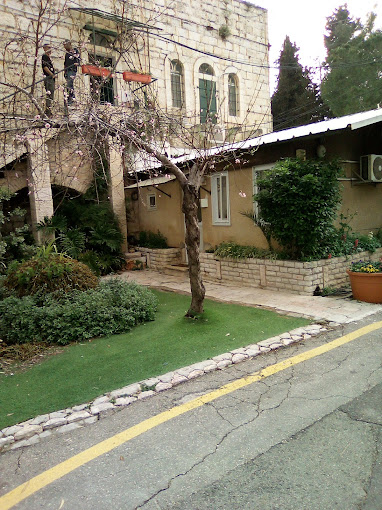
Kfar Shaul Mental Health Center, established in 1951, is a prominent public psychiatric hospital in Jerusalem, Israel. Located between Givat Shaul and Har Nof, the center is affiliated with the Hadassah Medical Center and the Hebrew University of Jerusalem. This hospital serves as the designated psychiatric facility for tourists in Jerusalem, notably treating those affected by Jerusalem Syndrome—a condition involving religious delusions often triggered by visits to the city.
The facility has a significant history, as it is situated on the site of the former Palestinian village of Deir Yassin and incorporates buildings that survived the 1948 conflict. Originally, Kfar Shaul was conceived as a therapeutic community where patients, many of whom were Holocaust survivors, could engage in outdoor work as part of their rehabilitation. Today, however, the center faces challenges such as overcrowding and has been described as needing renovation.
Kfar Shaul is particularly known for its studies on Jerusalem Syndrome. It handles about 50 cases annually, with many patients being tourists experiencing intense, religiously themed delusions during their stay in Jerusalem. The hospital's specialists use a variety of therapeutic techniques, including Snoezelen rooms, which stimulate the five senses to help treat mental and physical disabilities.
Speciality
Kfar Shaul Mental Health Center in Jerusalem offers a range of specialized services aimed at addressing various psychiatric needs. Established in 1951, it is notably associated with treating Jerusalem Syndrome—a rare condition where tourists develop religious delusions influenced by the city's history. The center treats about 50 such cases annually and is known for its research on this phenomenon.
The facility also includes Snoezelen rooms, which are therapeutic environments that utilize controlled multisensory stimulation to help both mentally and physically disabled patients. This Dutch therapy technique is an example of Kfar Shaul’s commitment to integrating innovative and supportive treatments.
In addition to conventional psychiatric treatments, Kfar Shaul actively engages in community and cultural projects to help destigmatize mental health issues. One such initiative is an art exhibition project where artists collaborate with patients to create artworks that reflect their experiences and feelings. This project not only provides therapeutic engagement for the patients but also brings the community into the conversation about mental health, making the art a medium for broader societal engagement and understanding.
These initiatives highlight Kfar Shaul’s holistic approach to mental health, blending medical treatment with social and cultural activities to support the well-being of its patients.
Quality
Kfar Shaul Mental Health Center in Jerusalem has a complex history and serves a unique role in the region's mental health landscape. Originally established in 1951, it has evolved from a therapeutic community primarily for Holocaust survivors to a comprehensive psychiatric facility. The center is notably associated with treating "Jerusalem Syndrome," a condition characterized by religious delusions that often affect tourists.
The center's facilities, however, have been described as dilapidated and suffer from severe overcrowding, with an average occupancy rate exceeding 100 percent. This has likely impacted the quality of care and the overall environment. Additionally, Kfar Shaul is involved in various research activities, contributing modestly to health sciences as reflected in its publications.
Despite these challenges, the center continues to function and address the mental health needs of its diverse patient population, including those affected by complex and culturally specific conditions like Jerusalem Syndrome.
Vision & Mission
Kfar Shaul Mental Health Center, located in Jerusalem, serves a multifaceted role both in its historical context and its modern-day function as a psychiatric facility. Originally, Kfar Shaul was a village, and its transformation into a mental health center has a complex history. Today, its strategic direction and purpose can be broadly outlined as follows:
-
Mental Health Treatment and Rehabilitation: The primary mission of Kfar Shaul Mental Health Center is to provide psychiatric care and rehabilitation services. The center offers a range of mental health treatments including inpatient, outpatient, and community-based services, focusing on comprehensive, individualized care.
-
Research and Education: Like many psychiatric institutions, Kfar Shaul may also be involved in mental health research and the training of medical professionals. This could involve collaborations with academic institutions and participation in clinical trials, contributing to the broader field of mental health knowledge.
-
Community Integration: The center likely aims to help patients reintegrate into society. This involves therapeutic programs designed to promote independence and social skills, ensuring that patients can return to their communities with the support they need to lead fulfilling lives.
-
Public Health Advocacy: The center might also engage in public health advocacy, working to destigmatize mental illness in the broader community and advocating for policies that support mental health care accessibility and quality.
Each of these elements plays a vital role in the center’s strategy to improve mental health outcomes for its patients and contribute positively to the community and the field of mental health at large.
Awards & Recognition
Kfar Shaul Mental Health Center has garnered attention and recognition for its innovative approaches in psychiatry and its active involvement in the community and arts, which have played a significant role in destigmatizing mental health issues. The center has been part of various research initiatives and collaborations, contributing significantly to the field of mental health, as indicated by its inclusion in the Nature Index, which tracks research outputs across institutions worldwide.
Additionally, the center has made notable contributions through art and cultural projects. One such initiative is the art exhibition titled "Through the Eyes of the Artists," which involved collaboration between patients and artists to create artworks reflecting life at the center, helping to bridge the gap between the public and those experiencing mental health issues.
These initiatives not only enhance the center's reputation within the academic and medical communities but also contribute to a broader understanding and acceptance of mental health challenges in society.
Read real patient testimonials of Kfar Shaul Mental Health Center and discover inspiring stories of healing, compassionate care, and life-changing experiences at our hospital.
The testimonials and descriptions of experiences at Kfar Shaul Mental Health Center reveal a facility that's deeply integrated with both historical significance and contemporary cultural initiatives. Originally utilizing buildings from the former village of Deir Yassin, Kfar Shaul opened in 1951 and has evolved significantly over the years. It was initially a therapeutic community primarily for Holocaust survivors and now serves a broader patient demographic, including those suffering from unique conditions like Jerusalem Syndrome.
In recent years, the center has undertaken significant efforts to connect with the community and reduce the stigma associated with mental health conditions. Initiatives have included art exhibitions and public events where patients and local artists collaborate. These events are not only therapeutic but also serve as a bridge between patients and the broader community, showcasing the creative talents of the residents and fostering a more inclusive environment.
The center also features modern therapeutic techniques like Snoezelen rooms, which provide multisensory stimulation aimed at helping patients with various disabilities. Despite these advancements, challenges such as overcrowding remain an issue.
Overall, Kfar Shaul is depicted as a place of significant transformation, both in terms of its infrastructure and its approach to mental health care, striving to integrate patients back into society and improve their quality of life through innovative and inclusive methods.
My Blog
Stay informed with the latest health tips, hospital updates, medical insights, and wellness articles curated by Kfar Shaul Mental Health Center.
Stories
Ask questions
Comments
Tell us what you think—leave your comments for Kfar Shaul Mental Health Center.
Download the MyHospitalNow app
Are you Patient?
- Free Surgery Cost Estimation
- Free Consulting with Best Hospital
- Free Consulting with Best Doctors
- Lowest Treatment Cost
- World Class Hospitals Options
- Tour to your Dream Country


Are you Hospital?
- Free International Surgery Query
- Free Hospital Profile
- Directly Interact with Patients
- Free Services/Offer Publishing
- Free Medical Tourism IT Platform
- Free Case Management Software
Are you Doctor?
- Free International Surgery Query
- Free Doctor Profile
- Directly Interact with Patients
- Free Services/Offer Publishing
- Free Medical Tourism IT Platform
- Free Case Management Software
Leave a Comment