




Hospital Quick Facts
Specialized Services:
-
Mental Wellbeing and Therapy:
- Lapinlahden Lähde provides various mental health services, including psychotherapy, short-term therapy, stress clinics, and psychological coaching. These services are designed to support individuals facing mental health challenges and promote overall mental wellbeing.
-
Art and Culture:
- The center hosts numerous art exhibitions, workshops, and community art projects. It offers a platform for local artists to showcase their work and engage with the community through participatory art activities. Events like poetry readings, live music performances, and art classes are regularly organized.
-
Community and Inclusion:
- Lapinlahden Lähde emphasizes community building and social inclusion through volunteer opportunities, skill-building workshops, and events that encourage dialogue and collaboration. This includes initiatives like the MIITTI project, which promotes the wellbeing of immigrants and the local population.
-
Green Care and Wellbeing:
- The center integrates nature into its wellbeing practices through its Urban Nature Center, gardening workshops, and nature meditation sessions. These activities harness the healing properties of nature to improve mental health and foster a connection with the environment.
-
Café and Social Enterprise:
- Café Lähde serves as the heart of the center, providing a space for social interaction and employment opportunities for individuals facing challenging life situations. The café offers fresh baked goods and meals, with profits supporting the center's initiatives.
About Us
The Paimio Sanatorium, designed by Alvar and Aino Aalto and completed in 1933, is a renowned example of modernist architecture and has received significant international recognition. The building was designed as a tuberculosis sanatorium and is celebrated for its functionalist approach, incorporating features like cross-ventilation and heliotherapy to aid patient recovery. This project played a crucial role in establishing Alvar Aalto's reputation as a major figure in the modernist movement.
The Paimio Sanatorium is widely regarded as a masterpiece of functionalist architecture and has been critically acclaimed both in Finland and internationally. The design includes innovative elements such as angled sinks to minimize splashing noise, nonporous flooring for easy cleaning, and outdoor verandas for patient rest. The building itself was intended to contribute to the healing process, with features that catered to the comfort and rehabilitation of patients (Finnish Architecture Navi).
The sanatorium has been preserved and adapted for new uses over the years, including plans to convert it into a health and wellness retreat while maintaining its architectural integrity. This adaptive reuse aims to honor its historical significance and continue its legacy in modern contexts.
Speciality
Specialized Services:
-
Mental Wellbeing and Therapy:
- Lapinlahden Lähde provides various mental health services, including psychotherapy, short-term therapy, stress clinics, and psychological coaching. These services are designed to support individuals facing mental health challenges and promote overall mental wellbeing.
-
Art and Culture:
- The center hosts numerous art exhibitions, workshops, and community art projects. It offers a platform for local artists to showcase their work and engage with the community through participatory art activities. Events like poetry readings, live music performances, and art classes are regularly organized.
-
Community and Inclusion:
- Lapinlahden Lähde emphasizes community building and social inclusion through volunteer opportunities, skill-building workshops, and events that encourage dialogue and collaboration. This includes initiatives like the MIITTI project, which promotes the wellbeing of immigrants and the local population.
-
Green Care and Wellbeing:
- The center integrates nature into its wellbeing practices through its Urban Nature Center, gardening workshops, and nature meditation sessions. These activities harness the healing properties of nature to improve mental health and foster a connection with the environment.
-
Café and Social Enterprise:
- Café Lähde serves as the heart of the center, providing a space for social interaction and employment opportunities for individuals facing challenging life situations. The café offers fresh baked goods and meals, with profits supporting the center's initiatives.
Quality
The quality of care at Lapinlahden Lahde evolved over time, reflecting changing attitudes towards mental health treatment. In its early years, the hospital embraced a more humane and compassionate approach to mental healthcare, known as moral treatment. This approach emphasized the importance of a supportive environment, meaningful work, and social interaction in promoting mental well-being.
Some key aspects of Lapinlahden Lahde's quality and approach to mental healthcare include:
-
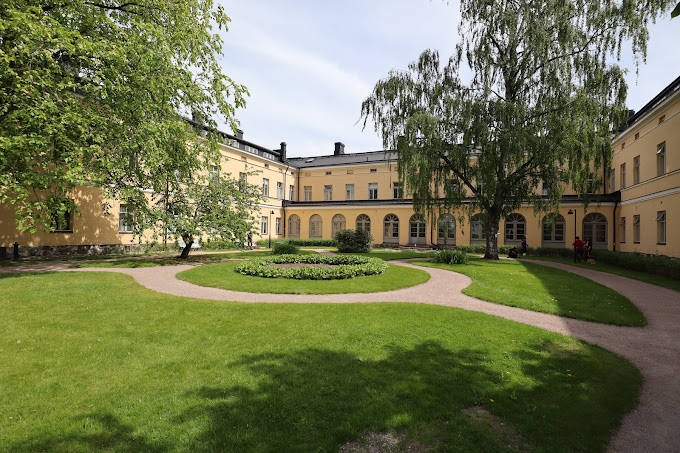
Architecture and Environment: The hospital was designed by Carl Ludvig Engel, a renowned Finnish architect, and featured beautiful neoclassical buildings set amidst park-like grounds. The tranquil and aesthetically pleasing environment was considered an essential aspect of the healing process.
-
Moral Treatment: During its early years, Lapinlahden Lahde embraced the principles of moral treatment, which focused on providing a supportive, compassionate, and humane environment for patients. This approach was a significant departure from the harsh and often inhumane conditions prevalent in many mental health institutions of the time.
-
Occupational Therapy: The hospital emphasized the importance of meaningful work and activity in promoting mental well-being. Patients were encouraged to participate in various forms of occupational therapy, such as farming, gardening, and crafts, which helped them develop skills and maintain a sense of purpose.
-
Social Interaction: Lapinlahden Lahde recognized the importance of social interaction in mental health recovery. The hospital encouraged patients to engage in social activities and fostered a sense of community among its residents.
Vision & Mission
Strategic Direction:
-
Preservation and Utilization of Historical Space: The center operates in the nearly 200-year-old Lapinlahti hospital, which was once a significant psychiatric hospital. The aim is to maintain and repurpose this historical site as a vibrant hub for mental wellbeing and cultural activities.
-
Green Care and Mental Wellbeing: Emphasizing the concept of "Green Care," the center leverages its picturesque surroundings to enhance mental health. This approach is rooted in the belief that natural environments have a positive impact on mental wellbeing.
-
Community and Inclusion: Lapinlahden Lähde aims to strengthen social inclusion and reduce loneliness through various community-driven activities. It serves as a meeting place where everyone feels welcome, fostering a sense of belonging and participation.
Purpose:
- Enhancing Mental Wellbeing: Lapinlahden Lähde is dedicated to improving mental health for both locals and visitors through various programs and activities that integrate art, culture, and nature.
- Creating a Safe and Inclusive Space: The center aims to be a welcoming environment where individuals from all walks of life can engage in meaningful activities and find support for their mental health.
- Promoting Sustainable Practices: The operations focus on sustainable methods, including the careful selection of partners and attention to the origins of products used within the center.
Awards & Recognition
Lapinlahden Lahde, while not having received any specific awards for its mental healthcare services during its operation, is recognized for its historical significance and architectural beauty. Some of the notable recognitions and designations include:
-
National Built Heritage Site: The hospital's main building, designed by Carl Ludvig Engel, is recognized as a site of national built heritage in Finland. This recognition highlights the architectural and historical significance of the hospital's neoclassical buildings.
-
The Finnish Museum of Psychiatry: The Finnish Museum of Psychiatry is located on the grounds of Lapinlahden Lahde, preserving the history of mental healthcare in Finland and the legacy of the hospital. The museum showcases various exhibits related to the history of psychiatry, treatments, and the lives of patients and staff at Lapinlahden Lahde.
-
Cultural Center: After the hospital's closure in 2008, the site has been repurposed as a cultural center. The beautiful park-like grounds and historic buildings now serve as a venue for various cultural events, exhibitions, and workshops. This recognition highlights the site's continued importance to the community and its potential for promoting mental health awareness and education.
-
The Lapinlahti Association: The Lapinlahti Association, founded in 2011, is dedicated to preserving the heritage of Lapinlahden Lahde and promoting mental health and well-being. The association organizes various events, workshops, and projects focused on mental health, culture, and the environment.
Read real patient testimonials of Lapinlahden Lahde and discover inspiring stories of healing, compassionate care, and life-changing experiences at our hospital.
Testimonials from former patients and staff of Lapinlahden Lahde provide valuable insights into the experiences and quality of care at the mental health facility during its operation. While it is challenging to find a comprehensive collection of testimonials, some individual accounts and historical records offer a glimpse into the lives of those who spent time at Lapinlahden Lahde.
-
Patients often appreciated the beautiful and tranquil surroundings of the hospital, which were considered essential for mental well-being. The park-like grounds and neoclassical buildings created a soothing atmosphere that helped promote healing and recovery.
-
The hospital's early focus on moral treatment and compassionate care was praised by some patients and their families. This approach emphasized the importance of a supportive environment, meaningful work, and social interaction in promoting mental well-being.
-
The hospital's emphasis on occupational therapy was appreciated by patients, as it allowed them to engage in meaningful activities, develop skills, and maintain a sense of purpose during their treatment.
-
Some patients and staff members spoke positively about the sense of community that was fostered at Lapinlahden Lahde. The hospital encouraged social interaction and provided opportunities for patients to engage in various activities together.
-
However, it is essential to note that not all experiences at Lapinlahden Lahde were positive. Some patients and staff members reported instances of neglect, mistreatment, and overcrowding, particularly during periods when the hospital struggled with limited resources and an increasing patient population.
My Blog
Stay informed with the latest health tips, hospital updates, medical insights, and wellness articles curated by Lapinlahden Lahde.
Stories
Ask questions
Comments
Tell us what you think—leave your comments for Lapinlahden Lahde.
Download the MyHospitalNow app
Are you Patient?
- Free Surgery Cost Estimation
- Free Consulting with Best Hospital
- Free Consulting with Best Doctors
- Lowest Treatment Cost
- World Class Hospitals Options
- Tour to your Dream Country


Are you Hospital?
- Free International Surgery Query
- Free Hospital Profile
- Directly Interact with Patients
- Free Services/Offer Publishing
- Free Medical Tourism IT Platform
- Free Case Management Software
Are you Doctor?
- Free International Surgery Query
- Free Doctor Profile
- Directly Interact with Patients
- Free Services/Offer Publishing
- Free Medical Tourism IT Platform
- Free Case Management Software
Leave a Comment