




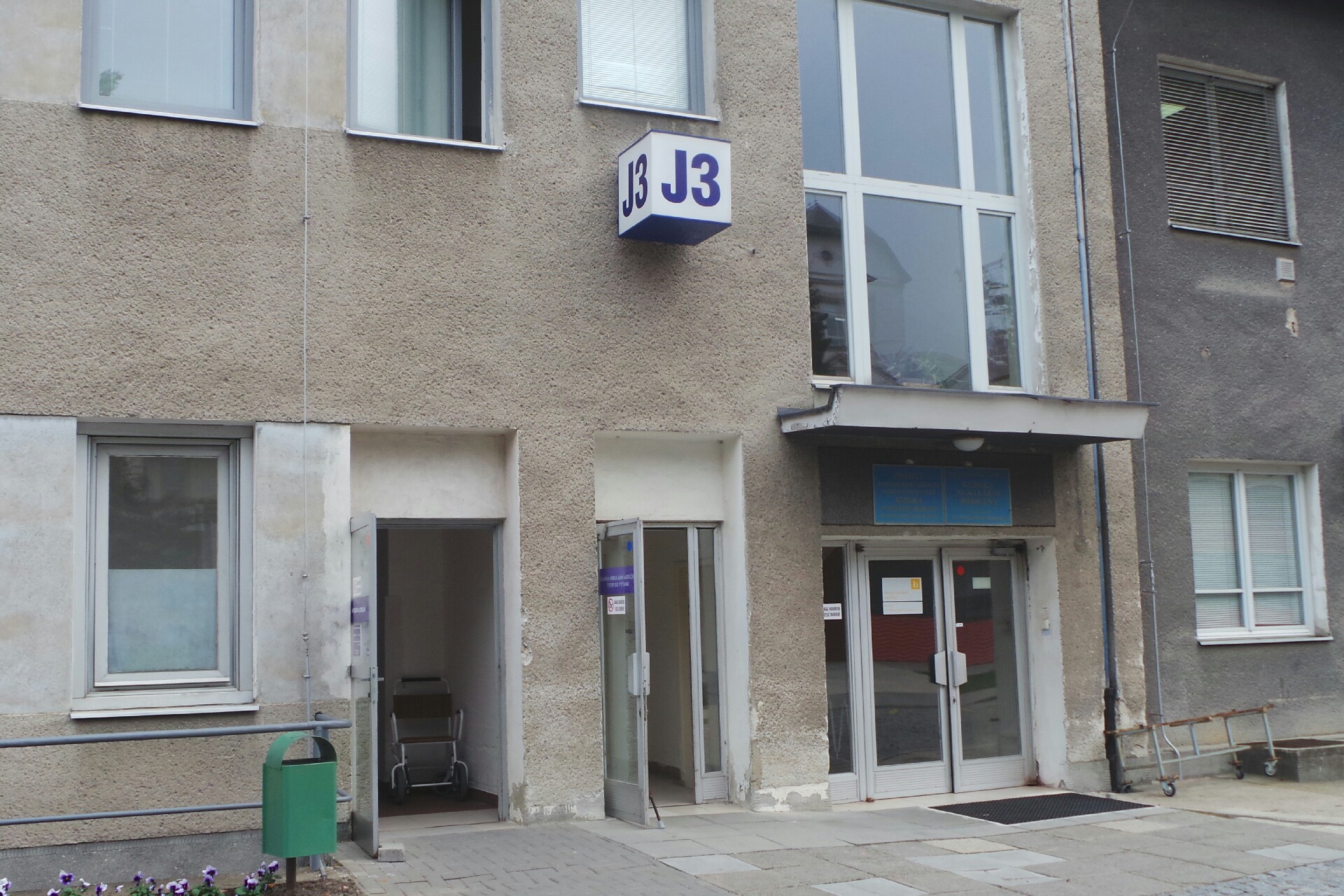
Oddeleni nuklearni mediciny a PET centrum
Cardiology & Cardiovascular Surgery
DiagnosticsDiagnostics
Neurology & Neuro SurgeryNeurology & Neuro Surgery
Oncology / CancerOncology / Cancer
Hospital Quick Facts
Oddělení nukleární medicíny a PET centrum (Department of Nuclear Medicine and PET Center) typically offers a range of specialized services aimed at diagnosing and treating various medical conditions using nuclear medicine techniques. These services often include:
-
Positron Emission Tomography (PET) Scans: PET scans are used to observe metabolic processes in the body, often utilized in oncology to detect cancer and monitor its treatment.
-
Single Photon Emission Computed Tomography (SPECT) Scans: SPECT scans provide detailed images of organs and tissues, commonly used to diagnose conditions affecting the heart, brain, and bones.
-
Radioactive Iodine Therapy: This treatment is used for certain thyroid conditions, including hyperthyroidism and thyroid cancer, using radioactive iodine to target and destroy diseased thyroid cells.
-
Bone Scintigraphy: Also known as a bone scan, this imaging technique helps detect bone abnormalities, including fractures, infections, and tumors.
-
Cardiac Nuclear Medicine: Includes myocardial perfusion imaging to assess blood flow to the heart and evaluate heart function, often used in diagnosing coronary artery disease.
-
Thyroid Scintigraphy: This imaging test evaluates thyroid function and helps diagnose thyroid disorders such as nodules, goiters, and thyroid cancer.
-
Renal Scintigraphy: Used to assess kidney function and detect abnormalities such as blockages, infections, or impaired blood flow.
-
Gastrointestinal Scintigraphy: Helps diagnose conditions affecting the gastrointestinal tract, including bleeding, inflammation, and motility disorders.
About Us
The Oddělení nukleární medicíny a PET centrum at the Na Homolce Hospital in Prague is a specialized department offering advanced nuclear medicine diagnostics and treatments. The department is equipped with state-of-the-art technology, including PET/CT scanners, SPECT cameras, and facilities for the preparation of radiopharmaceuticals.
Services and Facilities:
- Diagnostic Imaging: The center provides a range of diagnostic imaging services, utilizing PET/CT and SPECT/CT scanners for precise imaging of various medical conditions, particularly in oncology, cardiology, and neurology.
- Radiopharmaceutical Preparation: The department includes clean rooms for the preparation of radiopharmaceuticals, ensuring compliance with the latest legislative requirements and maintaining high standards of safety and efficacy.
- Patient Care: The department has multiple waiting rooms and application boxes for patients undergoing radiopharmaceutical treatments. Patients are required to provide informed consent for all diagnostic and therapeutic procedures.
Speciality
Oddělení nukleární medicíny a PET centrum (Department of Nuclear Medicine and PET Center) typically offers a range of specialized services aimed at diagnosing and treating various medical conditions using nuclear medicine techniques. These services often include:
-
Positron Emission Tomography (PET) Scans: PET scans are used to observe metabolic processes in the body, often utilized in oncology to detect cancer and monitor its treatment.
-
Single Photon Emission Computed Tomography (SPECT) Scans: SPECT scans provide detailed images of organs and tissues, commonly used to diagnose conditions affecting the heart, brain, and bones.
-
Radioactive Iodine Therapy: This treatment is used for certain thyroid conditions, including hyperthyroidism and thyroid cancer, using radioactive iodine to target and destroy diseased thyroid cells.
-
Bone Scintigraphy: Also known as a bone scan, this imaging technique helps detect bone abnormalities, including fractures, infections, and tumors.
-
Cardiac Nuclear Medicine: Includes myocardial perfusion imaging to assess blood flow to the heart and evaluate heart function, often used in diagnosing coronary artery disease.
-
Thyroid Scintigraphy: This imaging test evaluates thyroid function and helps diagnose thyroid disorders such as nodules, goiters, and thyroid cancer.
-
Renal Scintigraphy: Used to assess kidney function and detect abnormalities such as blockages, infections, or impaired blood flow.
-
Gastrointestinal Scintigraphy: Helps diagnose conditions affecting the gastrointestinal tract, including bleeding, inflammation, and motility disorders.
Quality
The quality of the Department of Nuclear Medicine and PET Center (Oddělení nukleární medicíny a PET centrum) can be assessed based on several factors:
1. Advanced Equipment and Technology:
- The department should be equipped with state-of-the-art imaging technologies such as PET-CT scanners, SPECT-CT, and gamma cameras.
- Regular maintenance and calibration of equipment to ensure high accuracy and reliability.
2. Specialized Medical Staff:
- Highly trained and experienced nuclear medicine specialists, radiologists, technologists, and support staff.
- Continuous professional development and training programs for staff to stay updated with the latest advancements in the field.
3. Diagnostic Accuracy:
- High-quality imaging results that contribute to accurate diagnosis and effective treatment planning.
- Use of advanced software for image processing and interpretation.
4. Patient Care:
- Patient-centric approach ensuring comfort, safety, and clear communication throughout the diagnostic process.
- Efficient scheduling and minimal waiting times for procedures.
- Comprehensive pre- and post-procedure instructions and support.
5. Safety Standards:
- Strict adherence to radiation safety protocols to protect patients and staff.
- Regular audits and inspections to ensure compliance with national and international safety standards.
6. Research and Development:
- Active involvement in clinical research and trials to contribute to the advancement of nuclear medicine.
- Collaboration with academic institutions and participation in scientific conferences and publications.
Vision & Mission
Strategic Direction:
-
Innovation and Technological Advancement:
- Continuously upgrade and integrate the latest nuclear medicine technologies and PET (Positron Emission Tomography) systems.
- Foster innovation in diagnostic and therapeutic procedures to enhance patient outcomes.
-
Clinical Excellence:
- Maintain high standards of clinical practice through ongoing education and training of medical staff.
- Implement evidence-based practices and protocols to ensure accurate and effective diagnosis and treatment.
-
Research and Development:
- Promote and engage in cutting-edge research in nuclear medicine and molecular imaging.
- Collaborate with academic and research institutions to advance the field and contribute to scientific knowledge.
Purpose:
-
Advanced Diagnostics:
- Utilize nuclear medicine techniques, including PET, SPECT, and hybrid imaging, to provide precise and early diagnosis of diseases.
- Focus on the detection and monitoring of cancer, neurological disorders, and cardiovascular diseases.
-
Targeted Therapies:
- Offer therapeutic procedures such as radionuclide therapy for conditions like thyroid cancer, hyperthyroidism, and certain types of lymphomas.
- Develop and implement personalized treatment plans based on molecular imaging findings.
-
Educational Role:
- Serve as a training center for medical students, residents, and fellows in nuclear medicine.
- Conduct workshops, seminars, and conferences to disseminate knowledge and advancements in the field.
Awards & Recognition
The Oddělení nukleární medicíny a PET centrum at Nemocnice Na Homolce has garnered several awards and recognitions for its excellence in nuclear medicine and diagnostic imaging services. It is renowned for its advanced imaging techniques, including positron emission tomography (PET) and hybrid PET/CT scans, which are critical in diagnosing and treating various medical conditions, particularly cancer and heart diseases.
Additionally, the department has achieved the prestigious EARL (EANM Research Ltd) accreditation, which designates it as a "Center of Excellence" in Europe. This accreditation is awarded to facilities that meet stringent quality standards for PET/CT imaging, ensuring accurate and consistent diagnostic results across different centers. This recognition not only highlights the department's commitment to maintaining high standards but also benefits patients by providing reliable and comparable diagnostic results, enhancing long-term monitoring and treatment plans .
The Masaryk Memorial Cancer Institute's nuclear medicine department is also noteworthy, having implemented advanced diagnostic and therapeutic procedures using radioisotopes like 68Ga-DOTATOC and 11C-Methionin for cancer treatment, showcasing its innovative approach in the field.
These recognitions affirm the department's dedication to excellence in nuclear medicine, contributing significantly to patient care and medical research.
Read real patient testimonials of Oddeleni nuklearni mediciny a PET centrum and discover inspiring stories of healing, compassionate care, and life-changing experiences at our hospital.
The Department of Nuclear Medicine and the PET Center at Na Homolce Hospital is highly rated by patients for its modern equipment and professional care. Many patients especially appreciate the high professional level of the staff and their empathetic approach.
Patients often mention the speed and efficiency of diagnostic examinations, specifically PET/CT and PET/MR, offered by the center. These technologies enable very accurate diagnosis of various diseases, which contributes to effective treatment planning. Positive reviews also often highlight the cleanliness and organization of the workplace.
One of the key aspects praised by patients is the detailed explanation of examination procedures and results by doctors, which greatly reduces the stress and anxiety associated with diagnostic procedures.
Overall, the Department of Nuclear Medicine and the PET Center are rated very positively both for the quality of the services provided and for the professional and human approach of the entire team.
My Blog
Stay informed with the latest health tips, hospital updates, medical insights, and wellness articles curated by Oddeleni nuklearni mediciny a PET centrum.
Stories
Ask questions
Comments
Tell us what you think—leave your comments for Oddeleni nuklearni mediciny a PET centrum.
Download the MyHospitalNow app
Are you Patient?
- Free Surgery Cost Estimation
- Free Consulting with Best Hospital
- Free Consulting with Best Doctors
- Lowest Treatment Cost
- World Class Hospitals Options
- Tour to your Dream Country


Are you Hospital?
- Free International Surgery Query
- Free Hospital Profile
- Directly Interact with Patients
- Free Services/Offer Publishing
- Free Medical Tourism IT Platform
- Free Case Management Software
Are you Doctor?
- Free International Surgery Query
- Free Doctor Profile
- Directly Interact with Patients
- Free Services/Offer Publishing
- Free Medical Tourism IT Platform
- Free Case Management Software
Leave a Comment