




Hospital Quick Facts
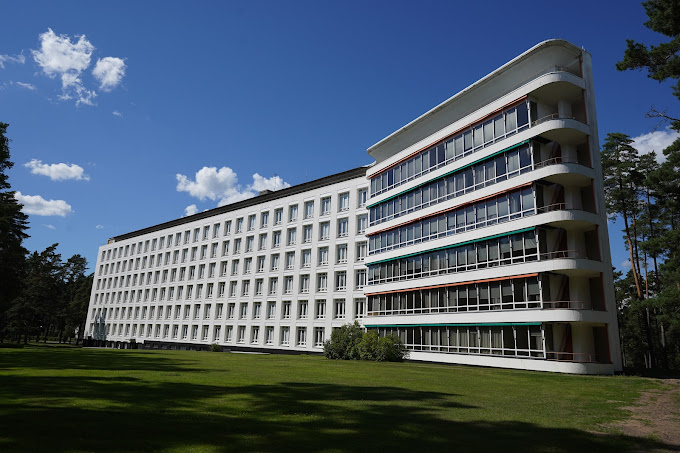
Paimio Sanatorium, designed by Alvar Aalto, was a tuberculosis treatment facility that opened in 1933 in Paimio, Finland. It was renowned for its modern architectural design and its specialized services tailored to aid the recovery of tuberculosis patients. Here are some of the key specialized services and design features:
-
Natural Lighting and Ventilation: The building was designed to maximize natural light and fresh air, which were considered essential for tuberculosis treatment. Large windows, sun balconies, and terraces were incorporated into the design to provide ample sunlight and ventilation for the patients.
-
Functional Furniture: Aalto designed custom furniture for the sanatorium, keeping in mind the specific needs of the patients. For example, the famous Paimio Chair was designed to promote a healthy sitting posture and ease breathing for tuberculosis patients.
-
Noise Reduction: To create a peaceful and stress-free environment, Aalto paid special attention to noise reduction. He used cork as flooring material and designed built-in furniture to minimize noise produced by moving furniture around.
-
Specialized Treatment Rooms: The sanatorium had various specialized treatment rooms, such as inhalation chambers, a physiotherapy room, and a solarium. These rooms were designed to provide specific therapies and treatments to aid in patients' recovery.
-
Communal Spaces: To encourage social interaction and create a sense of community, the sanatorium featured communal spaces like a dining hall, library, and recreation room. These spaces were designed to support the mental well-being of the patients.
About Us
Paimio Sanatorium, designed by Alvar and Aino Aalto, is a historic site renowned for its modernist architecture and human-centric design. Completed in 1933, it originally served as a tuberculosis hospital and has since become an iconic example of functionalist architecture. The design of the sanatorium reflects Aalto's belief in creating a healing environment, with features like cross-ventilation and heliotherapy to aid patient recovery. Every detail, from furniture to lighting, was meticulously planned to enhance the well-being of the patients.
The Paimio Sanatorium Foundation, established in 2020, aims to preserve this heritage while fostering innovation. The foundation views the sanatorium as a place for generating new approaches to how humans interact with their environment. It supports a variety of programs, including artist residencies, to encourage creative and practical solutions in architecture, design, and art.
Today, Paimio Sanatorium is not just a preserved historical site but a dynamic center for learning and innovation. It continues to host events, guided tours, and residencies, making it a living monument to Aalto's vision of humane modernism.
Speciality
Paimio Sanatorium, designed by Alvar Aalto, was a tuberculosis treatment facility that opened in 1933 in Paimio, Finland. It was renowned for its modern architectural design and its specialized services tailored to aid the recovery of tuberculosis patients. Here are some of the key specialized services and design features:
-
Natural Lighting and Ventilation: The building was designed to maximize natural light and fresh air, which were considered essential for tuberculosis treatment. Large windows, sun balconies, and terraces were incorporated into the design to provide ample sunlight and ventilation for the patients.
-
Functional Furniture: Aalto designed custom furniture for the sanatorium, keeping in mind the specific needs of the patients. For example, the famous Paimio Chair was designed to promote a healthy sitting posture and ease breathing for tuberculosis patients.
-
Noise Reduction: To create a peaceful and stress-free environment, Aalto paid special attention to noise reduction. He used cork as flooring material and designed built-in furniture to minimize noise produced by moving furniture around.
-
Specialized Treatment Rooms: The sanatorium had various specialized treatment rooms, such as inhalation chambers, a physiotherapy room, and a solarium. These rooms were designed to provide specific therapies and treatments to aid in patients' recovery.
-
Communal Spaces: To encourage social interaction and create a sense of community, the sanatorium featured communal spaces like a dining hall, library, and recreation room. These spaces were designed to support the mental well-being of the patients.
Quality
Here are several aspects that highlight the quality of Paimio Sanatorium:
-
Innovative Architecture: Aalto's design was revolutionary for its time, focusing on the patient's experience and well-being. The use of natural materials, large windows that allowed abundant natural light, and the incorporation of outdoor spaces aimed to create a healing environment that connected patients with nature. This architectural approach was believed to contribute positively to the patients' recovery process.
-
Individualized Care: The sanatorium was designed to provide individualized treatment rooms and sun therapy rooms, reflecting a personalized approach to care that was relatively uncommon at the time. This attention to individual needs was a hallmark of the quality of care provided.
-
Holistic Treatment: The sanatorium adopted a holistic approach to treatment, focusing not only on the medical aspects of tuberculosis but also on the psychological, social, and nutritional needs of patients. This comprehensive approach aimed to address all aspects of patients' well-being, enhancing the quality of care and recovery.
-
Community and Social Support: The design included communal spaces that encouraged social interaction among patients. This was part of a broader strategy to support patients' mental health and emotional well-being, recognizing that social connections and community support are crucial components of the recovery process.
Vision & Mission
Strategic Direction
Its strategic direction encompasses:
-
Historical Preservation and Education:
- Maintaining and preserving the architectural integrity and historical significance of the building as a prime example of modernist architecture.
- Promoting the site as a cultural and educational landmark, offering guided tours, exhibitions, and events to educate the public about its historical and architectural importance.
-
Healthcare and Rehabilitation:
- Continuing to serve as a healthcare facility with a focus on rehabilitation services, particularly for patients recovering from long-term illnesses or surgeries.
- Integrating modern medical practices with holistic and patient-centered care, inspired by Aalto's original design principles that emphasized the healing environment.
Purpose
The purpose of Paimio Sanatorium has been rooted in the following core objectives:
-
Healing Environment:
- To create and maintain a healing environment that enhances patient recovery, as envisioned by Alvar Aalto’s innovative design which integrates natural light, fresh air, and harmonious spaces.
- To leverage the sanatorium’s architectural design to provide comfort, promote well-being, and support the physical and mental health of patients.
-
Comprehensive Patient Care:
- To deliver comprehensive, patient-centered care that addresses both medical and psychological aspects of health.
- To offer specialized care for respiratory diseases, particularly tuberculosis, during its early years, and now to focus on rehabilitation and long-term recovery services.
Awards & Recognition
Paimio Sanatorium gained significant recognition and awards for its architectural design and innovative approach to healthcare. Some of the key awards and recognition include:
-
Second Prize, Milan Triennale (1936): Paimio Sanatorium was awarded the second prize at the Milan Triennale, an international exhibition of architecture and decorative arts. This recognition highlighted the sanatorium's modernist design and its innovative approach to healthcare architecture.
-
Gold Medal, Paris World Exposition (1937): Alvar Aalto received a gold medal for his architectural work, including the design of Paimio Sanatorium, at the Paris World Exposition in 1937. This prestigious award recognized Aalto's contribution to the field of modern architecture.
-
Royal Institute of British Architects (RIBA) Bronze Medal (1966): Alvar Aalto was awarded the RIBA Bronze Medal in 1966, which recognized his contribution to architecture, including the design of Paimio Sanatorium.
-
American Institute of Architects (AIA) Gold Medal (1963): Aalto was awarded the AIA Gold Medal in 1963, the highest honor conferred by the American Institute of Architects. The award recognized Aalto's significant contributions to architecture, including the design of Paimio Sanatorium.
-
UNESCO World Heritage Tentative List (2004): Paimio Sanatorium was included in Finland's tentative list for UNESCO World Heritage sites in 2004. Although it has not yet been granted World Heritage status, the inclusion acknowledges the sanatorium's architectural and historical significance.
-
Finnish Architecture Prize (1950): Alvar Aalto received the Finnish Architecture Prize in 1950 for his outstanding contributions to Finnish architecture, including the design of Paimio Sanatorium.
Read real patient testimonials of Paimio Sanatorium and discover inspiring stories of healing, compassionate care, and life-changing experiences at our hospital.
Testimonials from patients and staff of Paimio Sanatorium provide valuable insights into the effectiveness and quality of care provided by the facility. While individual testimonials are not widely available, there are several documented accounts that speak to the positive experiences of those who spent time at the sanatorium.
-
Patients praised the sanatorium's design for its calming and therapeutic effects. The large windows, sun balconies, and terraces provided abundant natural light and fresh air, which were considered essential for recovery. The connection to nature and the surrounding landscaped gardens created a soothing environment that helped promote healing.
-
The custom furniture designed by Alvar Aalto, such as the Paimio Chair, was highly appreciated by patients for its comfort and functionality. The chair's design supported a healthy sitting posture and facilitated easier breathing, making it ideal for tuberculosis patients.
-
Patients and staff alike appreciated the sanatorium's emphasis on noise reduction. The use of cork flooring, built-in furniture, and other noise-reducing features helped create a peaceful and stress-free environment that supported mental well-being.
-
The specialized treatment rooms, such as the inhalation chambers, physiotherapy room, and solarium, were highly valued by patients and staff. These rooms allowed for targeted therapies and treatments that aided in the recovery of tuberculosis patients.
-
The communal spaces, including the dining hall, library, and recreation room, were appreciated for fostering a sense of community and encouraging social interaction among patients. This helped contribute to the overall well-being of patients during their stay at the sanatorium.
My Blog
Stay informed with the latest health tips, hospital updates, medical insights, and wellness articles curated by Paimio Sanatorium.
Stories
Ask questions
Comments
Tell us what you think—leave your comments for Paimio Sanatorium.
Download the MyHospitalNow app
Are you Patient?
- Free Surgery Cost Estimation
- Free Consulting with Best Hospital
- Free Consulting with Best Doctors
- Lowest Treatment Cost
- World Class Hospitals Options
- Tour to your Dream Country


Are you Hospital?
- Free International Surgery Query
- Free Hospital Profile
- Directly Interact with Patients
- Free Services/Offer Publishing
- Free Medical Tourism IT Platform
- Free Case Management Software
Are you Doctor?
- Free International Surgery Query
- Free Doctor Profile
- Directly Interact with Patients
- Free Services/Offer Publishing
- Free Medical Tourism IT Platform
- Free Case Management Software
Leave a Comment