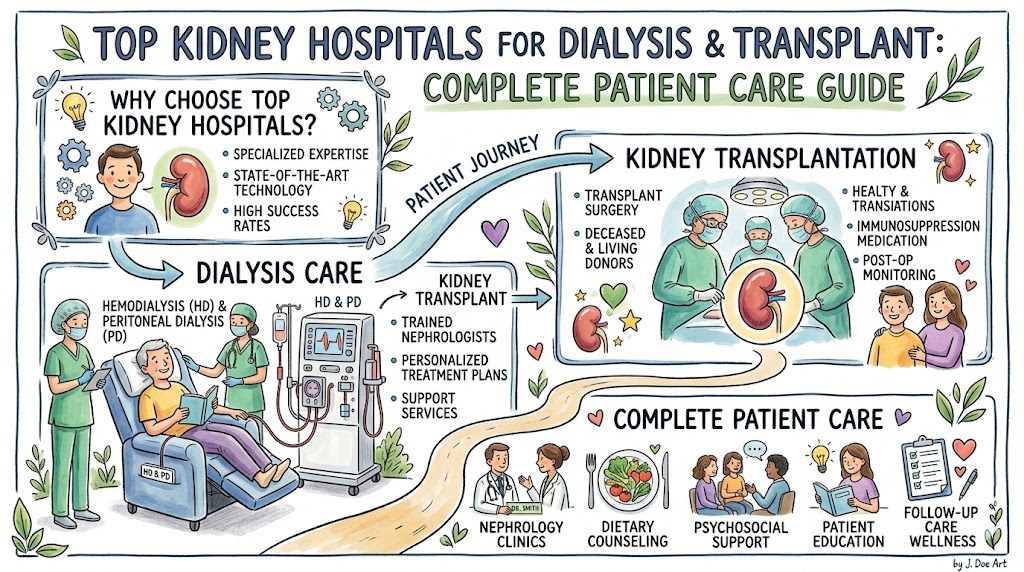
Introduction
Finding out that you or a loved one needs specialized kidney care can feel overwhelming. However, understanding that you have access to world-class medical support can make all the difference in your health journey. Whether you are navigating the complexities of chronic kidney disease or preparing for a life-changing procedure, choosing the right medical partner is the most important step you can take.
At MyHospitalNow, we believe that every patient deserves clear, compassionate, and expert guidance. Top-tier kidney hospitals provide more than just machines; they offer a multidisciplinary team—surgeons, nephrologists, and counselors—who work together to restore your quality of life. This guide will walk you through what to look for, how to compare treatment options, and why specialized care is your best path forward.
Quick Answer
A top kidney hospital for dialysis and transplant care is defined by its board-certified nephrology team, advanced diagnostic capabilities, and dedicated transplant units. Look for facilities that prioritize patient safety through low-infection environments, offer 24/7 emergency support, and provide comprehensive long-term care plans. Excellence in this field is marked by high transplant success rates, personalized dialysis protocols, and a focus on both physical and emotional recovery. Choosing a center with these pillars ensures you receive modern, evidence-based treatment tailored specifically to your medical needs.
Understanding Kidney Disease and Kidney Failure
What Do the Kidneys Do?
Think of your kidneys as the body’s highly sophisticated filtration system. These two bean-shaped organs, roughly the size of a fist, sit just below your rib cage. Every day, they filter about 190 liters of blood to remove waste, toxins, and excess fluid. Beyond cleaning, they produce hormones that regulate blood pressure, stimulate red blood cell production, and maintain bone health.
What Is Chronic Kidney Disease (CKD)?
Chronic Kidney Disease (CKD) is a condition where the kidneys gradually lose their ability to filter blood effectively over time. Because this damage often happens slowly, many people do not realize they have it until the later stages. When the condition reaches the point where kidneys can no longer keep you alive without intervention, it is known as kidney failure or end-stage renal disease (ESRD).
What Causes Kidney Failure?
While many factors contribute to kidney decline, the most common causes include:
- Diabetes: High blood sugar can damage the delicate filters in the kidneys.
- Hypertension (High Blood Pressure): Uncontrolled pressure strains the blood vessels within the kidneys.
- Autoimmune Diseases: Conditions like lupus can cause inflammation in kidney tissues.
- Genetic Conditions: Disorders like polycystic kidney disease are passed through families.
- Chronic Infections or Obstructions: Repeated kidney stones or infections can cause permanent scarring.
Who Is Most at Risk?
Individuals with a family history of kidney issues, those living with diabetes or high blood pressure, and older adults are at a higher risk. Additionally, those who smoke, have a history of heart disease, or have excessive weight are encouraged to get regular screenings to monitor their kidney function.
Why Early Treatment Matters
Early detection is your strongest defense. When caught in the early stages, lifestyle changes and medications can significantly slow the progression of the disease. Early intervention helps you maintain your health for longer and allows you to prepare for future treatments with less stress and better clinical outcomes.
Understanding Dialysis
What Is Dialysis?
Dialysis is a life-sustaining treatment that performs the essential functions of a healthy kidney when your own kidneys can no longer do so. It acts as an external filter, removing waste and extra fluids from your blood to restore balance to your body’s chemistry.
How Dialysis Works
The process relies on a semi-permeable membrane that separates your blood from a cleansing fluid called dialysate. Waste products from your blood move across this membrane into the fluid, while essential nutrients and minerals are retained.
Hemodialysis Explained
In hemodialysis, your blood is pumped out of your body through a tube and into a machine called a dialyzer. Inside this machine, the blood is filtered and returned to your body. Most patients visit a clinic three times a week for several hours per session.
Peritoneal Dialysis Explained
This form of dialysis uses the lining of your own abdomen (the peritoneum) as a natural filter. A sterile solution is placed into your belly through a catheter. After a few hours, the fluid, now carrying the waste, is drained out and replaced with fresh solution. This can often be performed at home.
Benefits and Limitations of Dialysis
Dialysis is a lifesaving intervention that allows patients to lead active lives despite kidney failure. However, it requires a rigid schedule (especially for hemodialysis), specific dietary restrictions (to manage potassium, salt, and fluid intake), and can be tiring for some patients.
When Dialysis Becomes Necessary
When your estimated Glomerular Filtration Rate (eGFR)—the measure of how well your kidneys filter—drops below 15, dialysis is usually required to prevent dangerous waste buildup in the blood.
Understanding Kidney Transplantation
What Is a Kidney Transplant?
A kidney transplant is a surgical procedure that places a healthy kidney from a donor into a person whose own kidneys are no longer functioning. It is generally considered the best treatment option for those who are eligible, as it can provide a near-normal life.
Who May Need a Kidney Transplant?
Most individuals with end-stage kidney failure are candidates for a transplant. However, your medical team will conduct a thorough evaluation to ensure your heart, lungs, and immune system can handle the surgery and the lifelong medication required afterward.
Living Donor vs Deceased Donor Transplants
- Living Donor: A healthy person (often a relative or friend) donates one kidney. This is generally preferred because the organ is usually healthier and the surgery can be scheduled.
- Deceased Donor: A kidney is provided by someone who has recently passed away and chosen to be an organ donor. These kidneys are allocated through a national or regional registry based on compatibility.
Benefits of Kidney Transplantation
- Increased energy and vitality.
- Greater freedom compared to the dialysis schedule.
- Fewer dietary restrictions.
- Higher long-term survival rates compared to long-term dialysis.
Challenges and Considerations
The primary challenge is finding a compatible donor. Additionally, recipients must take immunosuppressant medications for the rest of their lives to prevent their body from rejecting the new organ, which requires strict adherence and regular monitoring.
Features of Top Kidney Hospitals for Dialysis & Transplant
Experienced Nephrologists and Transplant Surgeons
The best hospitals are staffed by multidisciplinary teams. Look for centers where surgeons have successfully performed hundreds of procedures and where nephrologists are experts in managing complex post-transplant health.
Advanced Diagnostic Facilities
Top facilities use state-of-the-art labs and imaging centers that provide rapid, accurate results for blood work, biopsies, and tissue matching. This speed is crucial for optimizing your care plan.
Dedicated Dialysis Units
A world-class hospital provides clean, comfortable, and modern dialysis centers. These units should be staffed by specialized nurses and technicians who are adept at managing access sites (fistulas or catheters) to prevent infections.
Modern Transplant Programs
Leading programs offer comprehensive support, including pre-transplant education, dedicated transplant coordinators, and robust psychological support systems for both the donor and the recipient.
Multidisciplinary Care Teams
Your care shouldn’t just come from one doctor. A top facility ensures you have access to dietitians (specializing in renal health), social workers, transplant coordinators, and pharmacists who understand the nuances of transplant medication.
Comprehensive Patient Support Services
Chronic illness takes a toll on mental health. Top hospitals provide access to support groups, counseling, and financial guidance services to help patients and families navigate the stressors of long-term care.
Emergency and Critical Care Facilities
Since kidney patients often face sudden fluctuations in blood pressure or fluid levels, having an on-site, 24/7 emergency department that understands renal failure is a critical safety feature.
Advanced Technologies Used in Kidney Care
Robotic-Assisted Transplant Surgery
Many top-tier hospitals now offer robotic-assisted surgeries. These procedures are minimally invasive, leading to smaller incisions, faster recovery times, and less pain for the patient.
Advanced Tissue Matching Techniques
Modern immunology labs use sophisticated methods to ensure the best possible match between donor and recipient. This reduces the risk of rejection and improves the long-term success of the transplant.
Digital Patient Monitoring
Many centers use wearable technology or digital patient portals to track your health data in real time, allowing doctors to spot potential issues before they become emergencies.
Modern Dialysis Equipment
Newer dialysis machines are quieter, more efficient, and feature “smart” settings that adjust fluid removal automatically, reducing the incidence of post-dialysis fatigue or cramping.
AI-Assisted Diagnostics
Artificial intelligence is now used to analyze kidney biopsy images and predict the risk of rejection, helping doctors customize immunosuppression dosages with greater precision.
Precision Medicine Approaches
By analyzing your genetic makeup, doctors can predict how you will respond to certain medications, allowing them to create a treatment plan that minimizes side effects while maximizing the effectiveness of your transplant drugs.
Benefits of Choosing Specialized Kidney Hospitals
Choosing a specialized center ensures that every part of your experience—from the initial consultation to your annual check-ups—is designed with kidney health in mind. You gain access to a culture of excellence where the staff is familiar with the latest research and clinical standards, leading to better outcomes. These centers prioritize patient safety, offer streamlined care processes, and provide the deep expertise required for managing complex complications.
Comparison Table: Hemodialysis vs Peritoneal Dialysis
| Feature | Hemodialysis | Peritoneal Dialysis |
| Primary Setting | Specialized Clinic | Usually at Home |
| Frequency | Typically 3 times a week | Daily (often overnight) |
| Procedure | Blood filtered via machine | Cleansed via abdominal lining |
| Freedom | Lower (clinic schedule) | Higher (flexibility) |
| Key Advantage | Professional monitoring | More independence |
| Dietary Limits | Stricter fluid/potassium control | Generally more flexible |
Comparison Table: Dialysis vs Kidney Transplant
| Aspect | Dialysis | Kidney Transplant |
| Core Concept | Artificial filtration | Surgical organ replacement |
| Longevity | Lifelong (without transplant) | Long-term (15–20+ years) |
| Lifestyle | High time commitment | Near-normal autonomy |
| Success Factor | Consistent attendance | Compatibility and medication adherence |
| Primary Risk | Access site infection/fatigue | Organ rejection/surgery risks |
| Overall Cost | High ongoing/cumulative | High upfront/lifelong maintenance |
Preparing for Dialysis Treatment
Medical Evaluations
Before starting, you will undergo blood tests and cardiovascular screenings to ensure your body is ready for the treatment. You will also have a “vascular access” procedure—a small, minor surgery—to create a reliable way to access your bloodstream.
Lifestyle Adjustments
You will need to adjust your schedule to accommodate your dialysis sessions. Many patients find that planning their work or leisure activities around their treatment sessions early on helps them maintain a sense of routine.
Dietary Considerations
A renal dietitian will help you create a meal plan. You will likely need to limit potassium, phosphorus, and sodium, and keep close track of your total fluid intake between sessions.
Emotional Preparation
It is normal to feel nervous. Many hospitals offer “pre-dialysis” classes or support groups where you can meet other patients, share experiences, and learn that a productive life is absolutely possible on dialysis.
Preparing for Kidney Transplant Surgery
Eligibility Assessment
This involves a battery of tests to check your heart, liver, and immune system. Your doctors must ensure that you are healthy enough to undergo major surgery and manage life-long follow-up care.
Donor Matching Process
Once you are on the list, doctors look for a donor with compatible blood types and tissue markers. If you have a living donor, your medical teams will coordinate to ensure both surgeries are perfectly timed.
Pre-Transplant Testing
This includes blood tests (HLA and cross-matching) and various scans to identify any potential complications that could affect the surgery or the success of the new organ.
Preparing for Surgery
Your surgical team will provide specific instructions regarding fasting, medication management, and hospital packing. The focus is on ensuring you are in the best possible physical shape before you go in.
Recovery After Kidney Transplant
Immediate Recovery Phase
After surgery, you will spend time in a specialized transplant ICU. Here, nurses monitor your new kidney’s function around the clock. You will start taking immunosuppressant medications almost immediately.
Hospital Stay Expectations
The typical stay ranges from 5 to 7 days. During this time, the team monitors for signs of rejection, helps you manage pain, and teaches you how to care for your incision site.
Long-Term Recovery
Recovery continues at home, usually involving frequent outpatient visits for the first few months. You will slowly resume normal activities, avoiding heavy lifting for the first few weeks as your abdomen heals.
Preventing Organ Rejection
Taking your anti-rejection medications at the exact same time every day is the most important part of your recovery. These drugs keep your immune system from attacking the new organ.
Follow-Up Care Requirements
Regular blood tests and check-ups are mandatory for the rest of your life. These tests ensure your kidney is functioning perfectly and help your team adjust medication dosages as needed.
Risks and Potential Complications
Dialysis-Related Risks
Common issues include infections at the catheter or fistula site, low blood pressure during treatment, and muscle cramps. Top hospitals use strict sterile protocols to minimize these risks significantly.
Transplant-Related Risks
Surgical risks include bleeding or infection. Long-term risks involve side effects from immunosuppressant drugs, such as an increased susceptibility to infections or long-term organ rejection.
Infection Prevention
At specialized hospitals, transplant patients are often cared for in protected, clean environments. Patients are educated on how to maintain a hygienic home environment to stay healthy.
Long-Term Monitoring
Routine monitoring allows doctors to identify small issues—like a slight rise in blood pressure or a change in lab values—before they become serious complications.
How Specialized Hospitals Reduce Risks
By leveraging experienced teams and standardized protocols, these hospitals significantly lower the rate of surgical complications and infection compared to general care facilities.
How to Choose the Right Kidney Hospital
Hospital Experience and Reputation
Look for hospitals with a high volume of kidney transplants. Experience leads to proficiency. Check if the hospital is accredited for transplant services.
Expertise of Specialists
Research the head of the nephrology and transplant departments. A team that participates in ongoing research is often more adept at handling complex, atypical cases.
Technology and Infrastructure
Does the hospital have a dedicated renal ICU? Are they using the latest in robotic surgical technology? Modern infrastructure is a sign of a commitment to quality.
Patient Support Programs
Does the hospital offer financial counseling for transplants? Is there an active transplant support group? These services are vital for long-term success.
Rehabilitation Services
Post-surgical physical therapy is often overlooked. Ensure the hospital provides structured support to help you regain your strength after a transplant or long-term dialysis.
Long-Term Follow-Up Care
A great hospital doesn’t stop caring for you once the surgery is over. They should have a robust system for managing your lifelong medication and monitoring needs.
Questions Patients Should Ask Before Choosing a Hospital
- How many kidney transplants does your team perform annually?
- What are your success rates for both living and deceased donor transplants?
- What is the average wait time for a transplant at your facility?
- Do you offer home dialysis training?
- How does your facility manage post-transplant complications?
Cost and Financial Considerations
Factors Affecting Treatment Costs
Costs depend on the complexity of your care, the length of your hospital stay, and the type of insurance coverage you possess.
Dialysis Cost Considerations
Dialysis is a recurring cost. Most centers have financial coordinators who help you understand your insurance coverage and explore options if you are underinsured.
Kidney Transplant Cost Factors
While the upfront surgery cost is high, it is often more cost-effective than decades of dialysis. Costs include the surgery itself, donor evaluation, and lifelong medications.
Insurance and Financial Planning
Always consult with your hospital’s billing and financial department early. They are well-versed in navigating insurance approvals and can provide clarity on what to expect regarding out-of-pocket expenses.
Future of Kidney Care
Artificial Kidney Research
Exciting research is underway regarding wearable and even implantable artificial kidneys that could one day replace the need for dialysis clinics entirely.
AI in Nephrology
AI is rapidly changing how we monitor transplant patients, with algorithms now able to flag early signs of organ distress days before a human might notice them.
Home Dialysis Innovations
The future of dialysis is in the home. New, portable machines are making home hemodialysis easier, safer, and more accessible than ever before.
Precision Transplant Medicine
Advances in genetics are allowing for more personalized immunosuppression, which means fewer side effects and longer-lasting donor organs.
Future Patient Care Models
We are moving toward more patient-centric models that integrate telehealth, remote monitoring, and holistic wellness, focusing on the quality of your life, not just your lab results.
Key Takeaways
- Early detection and management of CKD are critical for preserving kidney function.
- Dialysis is a lifeline, offering two main options: hemodialysis and peritoneal dialysis.
- Transplantation often provides the best long-term outcomes and quality of life.
- Look for hospitals with high transplant volumes and experienced, multidisciplinary teams.
- Robotic surgery is becoming a standard for safer, minimally invasive kidney transplants.
- Your multidisciplinary team should include nephrologists, dietitians, and social workers.
- Immunosuppressant medication adherence is the cornerstone of transplant success.
- Specialized hospitals provide better long-term follow-up and lower complication rates.
- Financial counseling is an essential part of your hospital selection process.
- The future of kidney care is moving toward more personalized, tech-driven, and home-based solutions.
FAQ Section
What is the most important factor when choosing a kidney hospital?
Expertise and volume are key. You want a hospital that performs many transplants and dialysis treatments annually, as this ensures the staff is experienced in managing both routine care and complex complications.
How long does a kidney transplant usually last?
A kidney from a living donor typically lasts 15 to 20 years or longer, while a kidney from a deceased donor usually lasts 10 to 15 years. Results vary based on individual health and medication adherence.
Can I travel while on dialysis?
Yes, many patients travel. You can often arrange for “guest dialysis” at centers in your destination city. Peritoneal dialysis is often easier for travel as you can take your supplies with you.
What are the main signs of organ rejection?
Signs may include fever, pain over the transplanted kidney, reduced urine output, and flu-like symptoms. Always report these to your transplant team immediately.
Does insurance cover the full cost of a transplant?
Most insurance plans cover a significant portion, but policies vary. It is essential to speak with your hospital’s financial coordinator to verify your specific coverage and potential out-of-pocket costs.
What happens if I miss a dose of my anti-rejection medication?
Missing a dose can increase the risk of your immune system attacking the new kidney. If you miss a dose, contact your transplant team immediately for instructions.
Is peritoneal dialysis safer than hemodialysis?
Neither is inherently “safer”; they just have different risks. Hemodialysis carries risks related to vascular access, while peritoneal dialysis carries a risk of abdominal infection (peritonitis). Your doctor will help you decide based on your lifestyle and health.
How do I get on a kidney transplant waiting list?
You must first be evaluated by a transplant center. If you are deemed a suitable candidate, the hospital will formally list you on the national transplant waiting list.
Are there any dietary changes I must make after a transplant?
Initially, your diet may be restricted to manage medication side effects. Long-term, you will be encouraged to eat a heart-healthy diet to protect your new kidney, usually focusing on lower salt and balanced nutrients.
How often do I need follow-up appointments after surgery?
During the first few months, you will likely have appointments weekly or bi-weekly. As you stabilize, these will become much less frequent, eventually settling into a routine of check-ups a few times a year.
Conclusion
Navigating the world of kidney care is a significant journey, but you do not have to walk it alone. By choosing a top-rated kidney hospital, you align yourself with the expertise, advanced technology, and dedicated support systems necessary for long-term health. Whether you are managing dialysis or preparing for a transplant, the right environment makes all the difference in your comfort, safety, and ultimate recovery.Remember that modern medicine offers incredible possibilities for those with kidney disease. With the right care team and a proactive approach, you can reclaim your energy and focus on the things you love. For more resources and guidance on your path to wellness, visit MyHospitalNow.com. Your health and future remain our top priority.

Find Trusted Cardiac Hospitals
Compare heart hospitals by city and services — all in one place.
Explore Hospitals