The decision to undergo a major medical procedure is significant, often accompanied by complex logistics and emotional weight. For many, this journey leads to international borders. Medical tourism in India has grown into a global phenomenon, driven by a unique combination of highly skilled surgeons, world-class infrastructure, and cost-effective treatment options. However, successful healthcare planning requires more than just picking a city—it requires a structured approach to research, hospital selection, and financial preparation.
Whether you are looking for cardiac interventions or orthopedic solutions, navigating the Indian healthcare landscape requires reliable information. Resources like a dedicated MyMedicPlus can bridge the gap between initial inquiry and successful recovery, helping patients make choices based on data rather than guesswork.
Why India Remains a Top Choice for Medical Travel
India has consistently been ranked among the top destinations for patients seeking high-quality care outside their home countries. Several factors contribute to this reputation:
- Clinical Excellence: Many Indian hospitals are JCI (Joint Commission International) accredited, meeting stringent global safety and quality standards.
- Expertise in Specialized Procedures: Indian surgeons are renowned for their experience in high-volume, complex surgeries, including cardiac bypasses, knee replacements, and neurosurgery.
- English-Speaking Environment: Communication is seamless, as English is widely used in medical settings across major cities, reducing the stress of navigating a foreign healthcare system.
- Affordability: Compared to the United States, the UK, or parts of Europe, the treatment cost in India is often a fraction of the price, without compromising the quality of surgical outcomes.
Understanding the Financial Aspect: Treatment Costs
One of the most common reasons patients explore medical travel is the disparity in healthcare costs globally. While the allure of “affordable healthcare” is strong, it is essential to understand the variables involved.
Factors Influencing Treatment Costs
When evaluating surgery expenses, patients must recognize that a quote provided by a hospital is often a baseline. The final bill can fluctuate based on:
- Surgeon’s Fees: Highly experienced specialists may charge more than junior consultants.
- Hospital Infrastructure: A premium facility in a major metro area will have different overheads compared to a specialized hospital in a Tier-2 city.
- Medical Complexity: Pre-existing conditions (diabetes, hypertension) can increase the time required in the ICU or the length of hospital stay.
- Diagnostic Requirements: Comprehensive pre-surgical testing is non-negotiable for patient safety and contributes to the total cost.
- Room Category: From general wards to private suites, the type of accommodation significantly impacts the total invoice.
Estimated Costs for Common Procedures
While exact costs vary by facility, patients often research average pricing to set their budgets.
- Heart Bypass Surgery Cost in India: This complex procedure involves bypass grafting to improve blood flow. Costs generally cover surgical fees, anesthesia, ICU stays, and post-operative medications.
- Knee Replacement Surgery Cost in India: As a common orthopedic procedure, the costs here are influenced by the type of implant used, the duration of rehabilitation, and the expertise of the orthopedic team.
How to Compare the Best Hospitals in India
Not all hospitals are equal, and for international patients, selecting the right one is the most critical step in the planning process. Using a hospital comparison resource can simplify this otherwise overwhelming task.
When evaluating your options, consider the following checklist:
| Criteria | What to Look For |
| Accreditation | Check for JCI or NABH accreditation. |
| Specialization | Does the hospital have a dedicated center of excellence for your specific condition? |
| Patient Support | Do they have an international patient desk that handles visas, airport transfers, and translation? |
| Technology | Look for the availability of modern diagnostic tools like 3T MRI, robotic surgery, or advanced PET-CT scans. |
| Surgeon Credentials | Research the surgeon’s experience, their training, and their track record with your specific procedure. |
The Roadmap: From Inquiry to Recovery
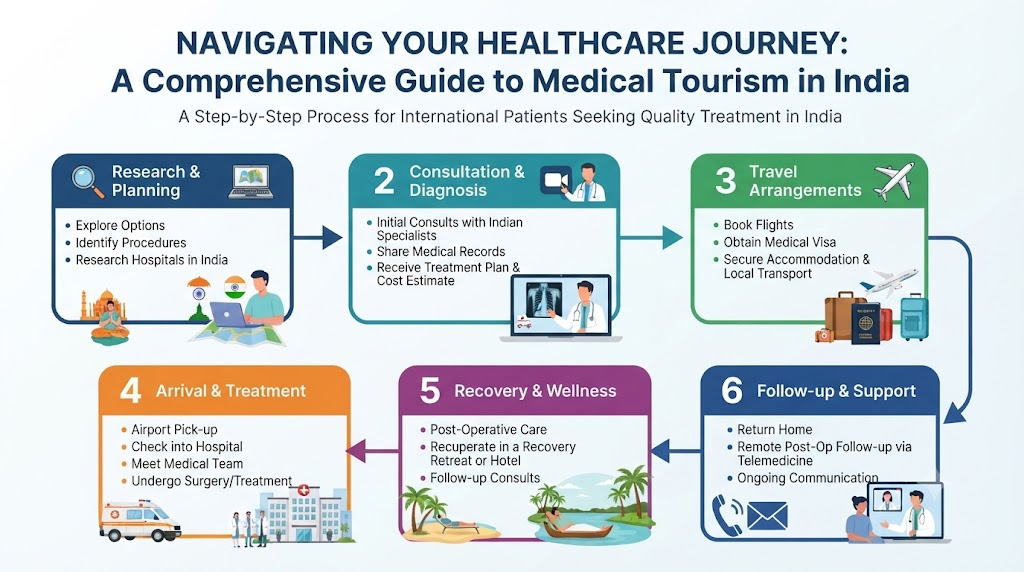
Successful medical travel is rarely spontaneous. It follows a logical, methodical path:
1. Research and Consultation
Start by gathering all current medical reports, imaging (MRI/CT scans), and a summary of your health history. Many hospitals offer remote consultations where surgeons review these files to provide a preliminary treatment plan.
2. Treatment Planning
Once you have identified the right healthcare information platform, use it to organize your plan. Understand the expected duration of your stay—not just in the hospital, but also the post-operative recovery time needed before you are fit to fly back home.
3. Logistical Preparation
- Medical Visa: Ensure you understand the specific requirements for a medical visa in your destination.
- Accommodation: Identify lodging for companions that is close to the hospital but offers a hygienic, comfortable environment.
- Finances: Have a clear breakdown of the surgery expenses and keep a buffer for unexpected complications.
4. Post-Surgery Recovery
Recovery doesn’t end when you leave the hospital ward. Following the surgeon’s discharge instructions, attending follow-up appointments, and ensuring a smooth transition to your local healthcare provider are vital steps for long-term health.
Key Takeaways
- India’s Advantage: The country combines technical expertise with cost-effectiveness, making it a hub for medical tourism.
- Transparency is Key: Always ask for a detailed estimate of the treatment cost in India to avoid surprises.
- Research Matters: Utilize a reliable treatment planning guide to compare doctors and hospitals rather than choosing solely based on the lowest price.
- Prioritize Safety: Choose accredited facilities and ensure your travel plans account for sufficient post-operative recovery time.
Frequently Asked Questions (FAQs)
1. Is it safe for international patients to travel to India for surgery?
Yes, thousands of international patients undergo successful treatments in India annually. By choosing JCI-accredited hospitals and conducting thorough research, patients can receive care that meets high international safety standards.
2. How do I know if the hospital is the right fit for me?
Look for the hospital’s specialization, the experience of the medical team, and reviews from other patients. Using a hospital comparison resource can help you weigh these factors objectively.
3. Why is the cost of surgery so much lower in India?
The lower cost is primarily due to lower operating and labor costs in India compared to Western nations. It is not an indication of inferior quality; it is a reflection of local economic factors.
4. Can I get a second opinion before traveling?
Absolutely. It is highly recommended to seek a second opinion. Many healthcare information platforms can help coordinate virtual consultations with top specialists to provide clarity before you finalize your travel plans.
5. What is the biggest mistake patients make in medical tourism?
The most common mistake is focusing exclusively on the lowest price. Always prioritize clinical quality, hospital reputation, and the surgeon’s experience. A low-cost surgery that leads to complications ends up being much more expensive in the long run.
6. Do I need to stay in India for a long time after surgery?
The duration of your stay depends on the procedure. For major surgeries like heart bypass or orthopedic procedures, surgeons will typically require a period of observation before clearing you for air travel. Always discuss this timeline with your medical team beforehand.
Conclusion
Medical tourism is an empowering way for patients to access specialized treatments and affordable healthcare. By taking the time to research thoroughly, prepare your medical records, and choose high-quality healthcare providers, you can ensure a safer and more effective recovery. Whether you are seeking a treatment planning guide or comparing surgical options, remember that the goal is your well-being. With careful planning, the journey to better health in India can be a seamless and positive experience.

Find Trusted Cardiac Hospitals
Compare heart hospitals by city and services — all in one place.
Explore Hospitals