Introduction
Welcoming a child into the world brings immense joy, but it also introduces a profound responsibility toward safeguarding their physical and developmental well-being. A child’s early years serve as the critical foundation for their lifelong health. During this rapid period of growth, a child’s biological systems are distinctly different from those of an adult. They develop quickly, possess evolving immune systems, and require specialized medical attention tailored to their unique developmental stages.
In recent years, the global healthcare landscape has witnessed a rising need for specialized pediatric care. Children cannot simply be treated as mini-adults. From the structural layout of medical facilities to the precise formulation of life-saving medications, everything in a child’s medical journey requires a dedicated approach. When a child falls ill or requires routine developmental monitoring, choosing the right pediatric hospital becomes one of the most critical decisions a family can make.
Advanced child healthcare systems are designed from the ground up to address these distinct requirements. These dedicated institutions combine clinical expertise with a nurturing environment, ensuring that medical interventions do not traumatize a young patient. Beyond treating acute illnesses, modern pediatric facilities place a massive emphasis on preventive care and early diagnosis. Catching a developmental delay, a nutritional deficiency, or a congenital condition early can completely alter the trajectory of a child’s life for the better.
Navigating the complex world of healthcare can feel overwhelming for parents. Whether you are dealing with a midnight fever, managing a chronic childhood condition, or seeking guidance on routine immunizations, having a trusted partner makes all the difference. Comprehensive digital health resources like MyHospitalNow play a vital role in connecting families with verified medical insights and top-tier pediatric hospitals for child health care, helping parents make informed, stress-free decisions when their child’s health is on the line.
Imagine a scenario where a newborn develops a sudden, unexplained fever, or a toddler accidentally ingests a household object. In these high-stress moments, a general medical facility might lack the microscopic needles, low-dose imaging equipment, or specialized pediatric specialists needed to intervene safely. This guide will walk you through the inner workings of dedicated pediatric healthcare systems, empowering you with the knowledge to choose the absolute best care for your family.
What Are Pediatric Hospitals?
Pediatric hospitals are specialized medical facilities dedicated exclusively to the care of infants, children, adolescents, and young adults. Unlike general hospitals that cater to patients of all ages, these institutions tailor every single service, piece of equipment, and environmental element to the physiological and psychological needs of young people.
Role in Child and Newborn Care
The primary mission of pediatric hospitals is to deliver age-appropriate medical care. This begins at the very first moments of life. Newborn care requires extreme precision, as infants transition from the protective environment of the womb to the outside world. Pediatric hospitals monitor this transition closely, managing everything from basic metabolic screenings to complex congenital anomalies. For older children, these hospitals track developmental milestones, manage acute infections, and provide a safe space for surgical interventions.
Pediatric Specialists and Their Expertise
The medical staff within a pediatric hospital undergo years of additional training beyond standard medical school to specialize in treating children. These professionals understand the subtle nuances of childhood illnesses.
- Pediatricians: General practitioners focused on routine checkups, vaccinations, and common childhood illnesses.
- Neonatologists: Specialists dedicated exclusively to the care of critically ill or premature newborns.
- Pediatric Cardiologists: Doctors trained to diagnose and treat heart conditions in children, many of which are congenital (present at birth).
- Pediatric Oncologists: Specialists who manage childhood cancers with tailored chemotherapy and supportive regimens.
- Pediatric Gastroenterologists: Experts in managing childhood digestive disorders, food intolerances, and severe nutritional deficiencies.
Neonatal and Child ICU Units
Among the most critical components of pediatric hospitals are their intensive care units. The Neonatal Intensive Care Unit (NICU) is reserved for premature infants or newborns requiring specialized life support, temperature regulation, and continuous monitoring. The Pediatric Intensive Care Unit (PICU) caters to older children facing life-threatening illnesses, severe trauma, or major surgical recoveries. These units are staffed 24/7 by highly trained nurses and doctors who specialize in pediatric critical care.
Emergency Child Healthcare Systems
A child emergency care department within a pediatric hospital is vastly different from an adult emergency room. Children experience emergencies differently; they are more susceptible to rapid dehydration, high fevers that trigger seizures, and unique respiratory distress patterns. Dedicated pediatric ERs feature waiting rooms designed to minimize anxiety, medical staff who use distraction techniques during painful procedures, and appropriately sized resuscitation equipment designed for bodies weighing only a few kilograms.
Preventive Healthcare Programs
Pediatric hospitals do not simply wait for children to become ill. They function as comprehensive child health treatment centers that prioritize keeping children healthy. This is achieved through robust preventive healthcare programs, which include well-child visits, developmental screening clinics, hearing and vision assessments, and community-wide safety education initiatives.
Why Pediatric Hospitals Matter
When a child requires medical attention, taking them to a dedicated pediatric facility rather than a general hospital can significantly influence their recovery journey. The differences between these two types of care environments are profound and systemic.
Specialized Child Treatment
Children’s bodies process medications differently than adults. Their livers and kidneys metabolize drugs at varied rates, requiring highly precise weight-based dosing calculations. Pediatric hospitals utilize specialized pharmaceutical systems designed to prevent dosing errors. Furthermore, the medical procedures themselves—from drawing blood to setting broken bones—are performed by teams who know how to communicate with an anxious child, reducing the psychological impact of medical treatment.
Faster Diagnosis in Children
Children, especially infants and toddlers, cannot clearly articulate what hurts or how they feel. They might express severe pain simply by crying or becoming lethargic. Pediatric specialists are trained in the art of observational diagnosis. They recognize the subtle behavioral shifts, skin changes, and breathing patterns that signal specific pediatric conditions. This specialized intuition, combined with child-specific diagnostic criteria, leads to much faster, highly accurate diagnoses.
Safe Medication and Care Systems
Medical equipment in a standard hospital is built for adult dimensions. In a pediatric hospital, every tool is scaled down. This includes miniature blood pressure cuffs, tiny needles that protect fragile veins, and low-dose radiation imaging machines designed to protect developing tissues from unnecessary exposure. Safe medication delivery systems, such as smart infusion pumps with built-in pediatric safety limits, ensure that a child never receives an incorrect volume of intravenous fluid.
Child-Focused Emergency Services
In an emergency, time is of the essence. A general emergency room can be a frightening place for a child, filled with chaotic sights and sounds that increase their panic. Pediatric emergency services focus on rapid triage and stabilization in a calming environment. Medical staff use specialized pediatric pain assessment scales and child-friendly distraction therapies—such as medical play, therapeutic toys, and interactive environments—to keep the child calm while life-saving treatments are administered.
Vaccination and Immunity Support
A child’s immune system is a work in progress. It learns how to defend the body through exposure and controlled immunization. Pediatric hospitals host advanced vaccination and immunization care programs that ensure children receive critical vaccines at the precise chronological windows required for maximum efficacy. These programs help build herd immunity and protect vulnerable segments of the child population from devastating diseases like measles, polio, and pertussis.
Better Recovery Outcomes
Statistics consistently demonstrate that children treated at dedicated child healthcare centers experience lower complication rates, shorter hospital stays, and overall better long-term recovery outcomes. The combination of child-specific medical expertise, an emotionally supportive environment, family-centered care models, and targeted rehabilitation services ensures that a child can bounce back quickly and return to their normal growth trajectory.
Core Pediatric Healthcare Services
A comprehensive pediatric hospital serves as a complete ecosystem for a child’s physical and mental development. Here is an in-depth look at the core services these institutions provide.
┌─────────────────────────────────────────────────────────────────────────┐
│                    CORE PEDIATRIC HEALTHCARE SERVICES                   │
├─────────────────────────────────────────────────────────────────────────┤
│  Routine & Preventive Care         │  Critical & Emergency Support      │
│  ─────────────────────────         │  ────────────────────────────      │
│  • Newborn (Neonatal) Care         │  • Child Emergency Care            │
│  • Vaccination & Immunization      │  • Pediatric ICU (PICU)            │
│  • Growth & Milestone Tracking     │  • Pediatric Surgery Support       │
│  • Nutrition & Dietary Counseling  │  • Childhood Disease Treatment     │
└─────────────────────────────────────────────────────────────────────────┘
Newborn Care (Neonatal Care)
The neonatal period—the first 28 days of a child’s life—is a time of rapid physiological adaptation. Neonatal care services encompass routine screenings for metabolic disorders, hearing checks, and jaundice management. For infants born prematurely or with complex medical needs, these services extend to advanced respiratory support, therapeutic hypothermia for brain protection, and specialized feeding support to ensure the infant gains weight safely.
Vaccination and Immunization Programs
Immunization is the cornerstone of pediatric preventive medicine. Dedicated pediatric centers maintain strictly monitored cold-chain storage systems to preserve vaccine potency. Pediatricians work closely with parents to navigate complex vaccination schedules, offering combined vaccines where possible to reduce the number of injections a child receives. These clinics also provide catch-up vaccination charts for children who have missed specific doses.
Pediatric Emergency Care
Available every second of the day, pediatric emergency services handle everything from severe allergic reactions (anaphylaxis) and high-fever seizures to acute asthma attacks and physical trauma. The medical staff are experts in rapid pediatric advanced life support (PALS) protocols, ensuring that life-saving interventions are delivered smoothly and with absolute precision.
Childhood Disease Treatment
Children are prone to a wide variety of acute and chronic illnesses. Pediatric hospitals provide dedicated outpatient and inpatient treatment for:
- Infectious diseases (rotavirus, respiratory syncytial virus, influenza)
- Chronic conditions (type 1 diabetes, childhood asthma, juvenile arthritis)
- Congenital disorders (cystic fibrosis, congenital heart defects)
- Behavioral and developmental disorders (ADHD, autism spectrum assessments)
Growth and Development Monitoring
Every well-child visit at a pediatric facility involves tracking physical growth and developmental milestones. Pediatric specialists measure height, weight, and head circumference, plotting them against standardized growth charts. They also evaluate motor skills, language acquisition, social interactions, and cognitive development, allowing for early referral to physical or speech therapy if any deviations from the norm are detected.
Pediatric ICU Services
The Pediatric Intensive Care Unit (PICU) provides continuous, high-level monitoring and care for children who are critically ill. This includes those recovering from complex surgeries, experiencing severe respiratory failure, or recovering from serious accidents. The PICU utilizes advanced mechanical ventilators, continuous renal replacement therapies, and invasive hemodynamic monitoring devices specifically designed for pediatric physiology.
Nutrition and Dietary Counseling
Proper nutrition is the fuel for childhood growth and brain development. Pediatric dietitians work with families to manage severe picky eating, food allergies, celiac disease, pediatric obesity, and failure to thrive. They design highly tailored, practical dietary plans that ensure children receive the vital macronutrients and micronutrients necessary for their specific age group and medical condition.
Child Surgery Support Services
When a child requires surgery, the entire process must be managed with extreme care. Pediatric surgeons possess specialized technical skills required to operate on delicate, microscopic tissues. Alongside them, pediatric anesthesiologists specialize in administering the precise, safe balance of sedative medications to young children, minimizing risks while ensuring the child remains entirely pain-free and comfortable throughout the procedure.
Modern Pediatric Hospital Systems
The efficiency and safety of a modern pediatric hospital depend heavily on the integrated clinical systems working quietly behind the scenes. These systems ensure that no detail is overlooked in a child’s care plan.
Child Monitoring Systems
In a pediatric setting, vital signs can change in the blink of an eye. Modern child monitoring systems utilize non-invasive, lightweight sensors that track a child’s heart rate, respiratory rate, and oxygen saturation continuously. These monitors feature sophisticated software that differentiates between a true medical emergency and a false alarm caused by a child wiggling or playing in bed, reducing alarm fatigue for nursing staff.
Pediatric Diagnostic Tools
Diagnosing a child requires specialized, low-stress technology. Modern pediatric diagnostic tools include ultra-fast CT scanners that capture high-resolution images in seconds, reducing the need for chemical sedation. X-ray machines use targeted collimation to expose only the exact area needing evaluation, employing ultra-low radiation doses tailored explicitly to pediatric tissue densities.
Neonatal Incubators and ICU Systems
For a premature infant, an incubator is a literal second womb. Modern neonatal incubators regulate temperature and humidity with extreme precision, protecting the infant’s fragile, paper-thin skin from moisture loss. These systems are designed to minimize ambient noise and acoustic vibrations, protecting the developing neonatal brain from sensory overload. Many also feature integrated, overhead phototherapy units to treat newborn jaundice efficiently without removing the infant from their controlled environment.
+------------------------------------------------------------------------+
│                     MODERN NEONATAL INCUBATOR SYSTEMS                  │
+------------------------------------------------------------------------+
│  [Microclimate Control] ----> Maintains exact warmth & humidity        │
│  [Acoustic Shielding]   ----> Dampens hospital noise to protect brain │
│  [Integrated Sensors]   ----> Continuous, non-invasive vital tracking │
│  [Phototherapy Roof]    ----> Delivers jaundice treatment in-situ      │
+------------------------------------------------------------------------+
Emergency Response Workflows
When a “Code Blue” or pediatric emergency is triggered, specialized response workflows swing into action. Pediatric hospitals utilize color-coded emergency systems, such as the Broselow Tape system, where a child’s length is used to instantly determine their weight zone. This color zone corresponds to pre-packaged, pre-calculated medication doses and equipment sizes, completely eliminating the need for complex mathematical calculations during a high-stress resuscitation event.
Digital Patient Records
A child’s medical history is a continuous narrative. Digital patient records in pediatric networks track everything from birth weight and newborn screenings to every vaccine received and growth milestone achieved. These records allow different specialists within the hospital system to collaborate instantly. If a child visits the emergency room, the attending physician can instantly view the child’s underlying allergy profile or previous pediatric cardiologist consult notes.
Preventive Healthcare Tracking Systems
To ensure no child falls behind on critical preventative interventions, pediatric hospitals deploy automated healthcare tracking systems. These platforms send proactive, digital reminders to parents when a vaccination deadline is approaching, when a routine developmental screening is due, or when a follow-up appointment for a chronic condition needs to be scheduled. This continuous connection helps families maintain a proactive stance on child health.
Technology in Pediatric Healthcare
Technological innovation is rapidly transforming the field of pediatrics, making treatments safer, less invasive, and more accessible than ever before.
- AI-Based Child Health Monitoring: Artificial intelligence algorithms are now integrated into pediatric bedside monitors. These AI systems analyze subtle trends in vital signs over hours, predicting potential complications—like the early onset of sepsis or sudden respiratory deterioration—long before physical symptoms become obvious to the human eye.
- Smart Neonatal ICU Systems: Modern NICUs utilize smart telemetry and wireless sensors that stick gently to a newborn’s skin like a temporary tattoo. This eliminates the tangled web of heavy wires that traditional monitors require, allowing parents to practice “kangaroo care” (skin-to-skin holding) without disrupting vital monitoring.
- Digital Vaccination Tracking: Utilizing secure cloud systems, digital vaccination tracking ensures that a child’s immunization record is never lost. Parents can access digital vaccine certificates instantly via secure portals, making school admissions and international travel documentation completely seamless.
- Remote Pediatric Consultation (Telemedicine): Telemedicine has broken down geographic barriers to top-tier care. Parents living in rural or underserved areas can consult with world-class pediatric specialists via high-definition video calls. This allows for routine follow-ups, dermatological evaluations, and behavioral assessments to occur comfortably from the child’s home.
- Advanced Diagnostic Imaging for Children: The latest MRI and ultrasound technologies focus on speed and comfort. Virtual reality (VR) headsets are frequently used to transport a child into an animated underwater world or space adventure while they lie inside an MRI machine, keeping them perfectly still and eliminating the need for general anesthesia.
- Predictive Child Health Analytics: By analyzing large aggregates of anonymous pediatric health data, predictive analytics help public health systems identify upcoming seasonal outbreaks of conditions like RSV or influenza. This allows pediatric hospitals to scale up staffing and equipment resources well in advance of a surge.
Benefits of Choosing the Right Pediatric Hospital
Selecting a dedicated pediatric institution for your child’s medical care provides peace of mind and yields concrete, measurable health benefits.
Safer Child Treatment
The specialized environment of a pediatric hospital minimizes clinical risks. Because every nurse, pharmacist, and physician is hyper-focused on pediatric protocols, the likelihood of medication errors or procedural complications drops dramatically. Sterile techniques are adapted for small anatomy, and infection control protocols are rigorously enforced to protect vulnerable young immune systems.
Faster Recovery
Children recover faster when their emotional wellbeing is supported. Pediatric hospitals feature playrooms, colorful murals, and family-friendly accommodations that allow a parent to sleep right next to their child’s bed. Minimizing the fear and emotional trauma associated with a hospital stay reduces stress hormones in the child’s body, which directly accelerates physical healing and recovery.
Specialized Pediatric Doctors
When you choose a dedicated child healthcare center, your child is cared for by professionals who have dedicated their entire careers to understanding the pediatric body. A pediatric surgeon, for instance, has hands trained specifically for microscopic tissue structures, while a pediatric radiologist knows exactly how to read a child’s bone scan, identifying subtle growth plate fractures that an adult radiologist might easily miss.
Better Emergency Care
In a medical crisis, a pediatric ER provides an unparalleled level of readiness. The staff do not have to scramble to find a pediatric-sized oxygen mask or struggle to calculate a child’s emergency medication dose. Everything is laid out systematically, allowing life-saving care to begin within seconds of arrival, drastically reducing the risk of long-term complications from trauma or severe illness.
Preventive Healthcare Support
The right pediatric hospital acts as an educational hub for the entire family. Parents receive comprehensive guidance on sleep hygiene, child safety, developmental milestones, and emotional health. This proactive partnership ensures that potential health issues are prevented entirely or addressed during their absolute earliest, most treatable stages.
Long-Term Child Development Monitoring
Childhood is a long journey of transformation. A dedicated pediatric hospital provides continuous, multi-year oversight, ensuring that as your child grows from an infant into an adolescent, their medical history remains cohesive. This long-term relationship ensures a smooth transition through every developmental milestone and eventually provides a structured path into adult healthcare systems.
Common Child Health Conditions
Understanding the common health issues that affect children helps parents recognize when home care is appropriate and when it is time to seek professional care at a pediatric hospital.
| Condition | Common Symptoms | Why Professional Care Matters |
| Fever and Infections | Elevated body temperature, chills, lethargy, irritability, poor feeding. | Helps identify the underlying viral or bacterial cause; prevents febrile seizures. |
| Respiratory Infections | Persistent coughing, wheezing, rapid breathing, nasal flaring, stridor. | Monitors oxygen levels; provides nebulization or breathing support for RSV/asthma. |
| Childhood Allergies | Skin rashes (eczema), hives, sneezing, chronic runny nose, digestive upset. | Identifies specific triggers; manages life-threatening anaphylactic risks. |
| Nutritional Deficiencies | Poor weight gain, fatigue, delayed milestones, pale skin (anemia). | Provides tailored dietary interventions to prevent long-term cognitive/physical delays. |
| Digestive Problems | Vomiting, chronic diarrhea, severe constipation, abdominal bloating. | Prevents rapid, dangerous dehydration; diagnoses food protein intolerances. |
| Growth Delays | Falling behind on growth charts, delayed speech or motor skill acquisition. | Rules out underlying hormonal, genetic, or neurological conditions early. |
| Vaccine-Preventable Diseases | Distinct rashes, severe whooping cough, high fever, swollen parotid glands. | Prevents severe complications like pneumonia, encephalitis, or permanent disability. |
Fever and Infections
Fevers are a natural sign that the body is fighting off an invader. However, in infants under three months old, any fever over $38^\circ\text{C}$ ($100.4^\circ\text{F}$) requires immediate emergency pediatric evaluation to rule out serious bacterial infections like meningitis. In older children, a persistent fever accompanied by extreme lethargy or an inability to keep fluids down warrants professional medical attention.
Respiratory Infections
Conditions like bronchiolitis, croup, and asthma frequently affect young children due to their narrow airways. Parents should watch closely for signs of increased work of breathing, such as “retractions” (where the skin sucks in around the ribs or neck during breathing). If a child’s breathing appears rapid or labored, immediate pediatric evaluation is essential.
Childhood Allergies
Allergic reactions can manifest in the skin, respiratory tract, or digestive system. Chronic eczema can compromise the skin barrier, leading to secondary bacterial infections. Severe food allergies (such as peanut or milk allergies) require the expertise of a pediatric allergist to create a definitive management plan and equip parents with emergency epinephrine auto-injectors.
Common Mistakes Parents Make
Even the most well-intentioned parents can inadvertently make choices that complicate a child’s health journey. Recognizing these common pitfalls can help families avoid unnecessary medical complications.
- Delaying Doctor Visits: Hoping a symptom will simply “pass” can be risky with young children. A mild respiratory sniffle can progress to severe respiratory distress in a toddler over the course of a single night. Seeking early guidance from pediatric specialists prevents minor illnesses from escalating into full-blown emergencies.
- Self-Medication for Children: Administering leftover antibiotics or over-the-counter adult medications to a child is incredibly dangerous. Giving aspirin to a child with a viral illness can trigger a rare but life-threatening condition called Reye’s Syndrome. Always consult a pediatrician before introducing any medication.
- Ignoring Vaccination Schedules: Postponing or spacing out vaccines based on non-medical advice leaves a child highly vulnerable to dangerous infections during their most fragile developmental years. Sticking strictly to the scientifically validated immunization schedule provides the most robust defense.
- Poor Nutrition Habits: Relying heavily on ultra-processed kid-friendly foods can lead to hidden malnutrition, where a child may be getting enough calories but lacks vital micronutrients like iron, vitamin D, and zinc. This can severely hinder physical growth and brain development.
- Overlooking Symptoms: Dismissing a child’s snoring, frequent night wakings, or subtle behavioral regressions as “just a phase” can delay necessary intervention. For example, pediatric sleep apnea or subtle developmental delays are highly treatable when caught early.
- Not Following Pediatric Advice: Stopping a course of prescribed antibiotics the moment a child starts feeling better, or ignoring lifestyle and dietary recommendations from a pediatrician, can cause infections to return with greater antibiotic resistance or lead to chronic health relapses.
Best Practices for Child Health
Maintaining a child’s health involves building a strong foundation of daily habits and consistent, proactive medical oversight.
Regular Pediatric Checkups
Well-child visits should be scheduled consistently, even when your child is perfectly healthy. These visits are a dedicated time for your pediatrician to track subtle growth trends, evaluate behavioral changes, answer your everyday parenting questions, and provide a comprehensive baseline of your child’s unique health profile.
Proper Vaccination Schedules
Keep a physical or digital copy of your child’s immunization record easily accessible. Ensure that every dose, including annual flu vaccines and booster shots, is administered on time. If a vaccine is missed due to illness, work with your pediatric clinic immediately to establish a structured catch-up schedule.
Balanced Nutrition
Introduce a colorful variety of whole foods early in life. Focus on lean proteins, healthy fats, iron-rich foods, and plenty of fruits and vegetables. Limit added sugars and processed foods. For infants, prioritize exclusive breastfeeding for the first six months of life whenever possible, transitioning smoothly to age-appropriate solid foods under the guidance of your pediatrician.
Hygiene Habits
Teach children effective handwashing techniques early. Show them how to scrub with soap for at least 20 seconds, especially before meals and after playing outdoors or using the restroom. Encourage proper respiratory hygiene, such as coughing or sneezing into the crook of the elbow, to significantly reduce the spread of common viral infections within the household.
Early Symptom Monitoring
Develop a habit of calm, mindful observation. Learn to read your child’s normal baseline behavior, sleep patterns, and energy levels. When changes occur, note down the specific timeline of symptoms—such as when a fever started, how many times they vomited, or any unusual changes in their stool. This clear timeline is incredibly valuable for a doctor during an evaluation.
Physical Activity for Kids
Encourage regular, unstructured outdoor play. Physical movement strengthens developing bones and muscles, supports healthy cardiovascular function, reduces stress, improves sleep quality, and helps prevent the onset of childhood obesity. Limit recreational screen time in accordance with pediatric guidelines to ensure children remain physically active.
Real-World Healthcare Use Cases
To understand how pediatric hospitals function in real life, let us examine several common scenarios where specialized care makes all the difference.
Newborn ICU Care Cases
A baby born at 30 weeks gestation weighs far less than a full-term infant and has underdeveloped lungs. In a specialized newborn care hospital, this infant is placed immediately into a state-of-the-art NICU incubator. They are started on gentle respiratory support (such as CPAP) and given synthetic surfactant to help their lungs expand. Intravenous nutrition is delivered with micro-precision. Surrounded by a team of neonatologists and neonatal nurses, the infant is protected from infections and sensory distress until they grow strong enough to breathe, feed, and regulate their temperature independently.
Pediatric Infection Management
A two-year-old toddler contracts Rotavirus, leading to severe vomiting and continuous watery diarrhea. Within a matter of hours, the child becomes dangerously dehydrated, showing signs of extreme lethargy and dry mucous membranes. At a dedicated child healthcare center, the pediatric emergency team quickly establishes a specialized pediatric IV line. They administer a calculated fluid bolus tailored precisely to the child’s weight, followed by continuous maintenance fluids and electrolyte management. The child’s hydration status is monitored hourly, preventing acute kidney injury and allowing for a rapid, safe recovery.
Emergency Child Treatment
A seven-year-old child with a known history of severe asthma experiences a sudden, acute asthma attack triggered by pollen. Their rescue inhaler provides no relief, and the child begins struggling for breath, utilizing their abdominal muscles to pull in air. Upon arrival at the pediatric ER, the team initiates an immediate, pre-established asthma protocol. The child is given continuous nebulized medications, oxygen via a kid-friendly mask, and intravenous corticosteroids. A dedicated respiratory therapist monitors their airway dynamics continuously, stabilizing the child safely without requiring invasive mechanical ventilation.
+-----------------------------------------------------------------------+
│                 EMERGENCY PEDIATRIC ASTHMA RESCUE WORKFLOW            │
+-----------------------------------------------------------------------+
│ [Triage]      ----> Instant recognition of respiratory distress       │
│ [Medication]  ----> Continuous weight-based nebulized bronchodilators │
│ [Therapy]     ----> Oxygen delivery via comforting, kid-friendly mask │
│ [Monitoring]  ----> Continuous bedside assessment by Respiratory Tech │
+-----------------------------------------------------------------------+
Vaccination Campaign Programs
A pediatric hospital launches a community-wide winter immunization campaign. By utilizing an automated digital patient tracking system, the hospital identifies thousands of local children who are overdue for their annual influenza vaccine or their routine MMR booster. The hospital sets up dedicated, child-friendly drive-through clinics and weekend vaccination events staffed by pediatric nurses who specialize in quick, virtually painless injection techniques, significantly boosting the local community’s immunity barriers.
Growth Monitoring Systems
During a routine four-year-old well-child visit, a pediatrician utilizes a digital growth tracking system and notices that a child’s height velocity has suddenly dropped from the 50th percentile down to the 5th percentile over the past year. Because this deviation is flagged instantly by the system, the pediatrician initiates an early diagnostic workup, revealing an underlying, asymptomatic celiac disease. Eliminating gluten from the child’s diet allows their intestinal tract to heal, restoring normal nutrient absorption and bringing the child back to their healthy growth curve.
Chronic Childhood Disease Care
A ten-year-old child is diagnosed with Type 1 Diabetes. Managing this chronic condition requires a comprehensive, multi-disciplinary approach. A pediatric hospital coordinates a dedicated care team consisting of a pediatric endocrinologist, a certified diabetes educator, a pediatric dietitian, and a child psychologist. Together, they equip the child and their parents with smart insulin pump technology, teach them how to count carbohydrates accurately, and provide the emotional coping strategies needed to navigate school and sports safely, ensuring the child lives a vibrant, unrestricted life.
Future of Pediatric Healthcare
The future of pediatrics holds incredible promise, with emerging technologies poised to make child healthcare more predictive, personalized, and accessible.
- AI-Based Child Health Prediction: Future healthcare landscapes will feature highly advanced AI models capable of analyzing genomic data alongside early childhood health records to predict a child’s lifelong susceptibility to chronic conditions like asthma, allergies, or metabolic disorders, allowing for true primordial prevention.
- Smart Neonatal ICU Systems: Next-generation NICUs will feature fully automated micro-environments where the incubator itself uses advanced sensors to adjust temperature, humidity, and light levels dynamically based on the real-time stress markers and sleep cycles of the premature infant.
- Digital Vaccination Passports: Secure, interoperable digital immunization networks will allow a child’s vaccination history to be instantly verified across international borders, ensuring seamless continuity of preventative care no matter where a family relocates globally.
- Remote Pediatric Care: High-fidelity home monitoring kits equipped with digital stethoscopes, otoscopes, and throat cameras will allow parents to conduct comprehensive, medical-grade diagnostic examinations right from their living room while guided remotely by a pediatric specialist.
- Personalized Child Healthcare Systems: Traditional “one-size-fits-all” treatment guidelines will give way to precision medicine. Pharmacogenomic testing will allow pediatricians to determine the exact, safest medication molecule and dosage for a child’s unique genetic makeup before a single pill is administered.
- Advanced Preventive Medicine: The focus of pediatric medicine will shift entirely from treating illness to optimizing human development. Early-life epigenetic interventions and advanced microbiome therapies will be deployed during critical windows of infancy to actively train the immune system, potentially eradicating common childhood allergies and autoimmune conditions entirely.
FAQs (15 Questions)
1. What is a pediatric hospital?
A pediatric hospital is a highly specialized medical facility dedicated exclusively to the care of infants, children, adolescents, and young adults. Every element of these hospitals—from the scaled-down medical instruments and low-dose imaging equipment to the advanced training of the physicians, nurses, and support staff—is designed specifically to meet the unique physical, developmental, and emotional needs of young growing bodies.
2. When should I take my child to a pediatrician?
You should visit a pediatrician for all routine well-child checkups, scheduled immunizations, and developmental milestone screenings. Additionally, seek a pediatrician’s care if your child displays symptoms of illness, such as a high or persistent fever, unusual lethargy, difficulty breathing, persistent vomiting or diarrhea, severe skin rashes, or anytime your parental intuition tells you that something is not right with your child’s health.
3. Are vaccines safe for children?
Yes, vaccines are exceptionally safe and represent one of the greatest advancements in medical history. Before a pediatric vaccine is approved for public use, it undergoes years of rigorous clinical trials involving thousands of children to ensure its safety and efficacy. Pediatric hospitals monitor vaccine safety continuously, and the overwhelming scientific consensus confirms that the benefits of protecting your child from devastating, life-threatening diseases far outweigh any minor, temporary side effects like mild fever or soreness at the injection site.
4. How often should children have checkups?
The frequency of well-child checkups varies significantly by age due to the rapid pace of early human development. Typically, infants require visits every few weeks or months during their first year of life (usually at birth, 1 month, 2 months, 4 months, 6 months, 9 months, and 12 months). Toddlers generally require checkups at 15, 18, 24, and 30 months of age. Once a child reaches three years old, well-child developmental evaluations should be scheduled annually.
5. What is neonatal care?
Neonatal care is a highly specialized subspecialty of pediatrics focused entirely on the medical care of newborn infants, particularly those born prematurely, at a low birth weight, or with congenital medical conditions. This care is typically delivered within a Neonatal Intensive Care Unit (NICU), where advanced technology like specialized incubators, micro-dosing medication pumps, and delicate respiratory support systems help vulnerable newborns transition safely to early life.
6. How can I improve my child’s immunity?
Building a robust immune system is a gradual, natural process. You can support your child’s immunity by ensuring they receive all their recommended vaccinations on schedule, prioritizing a balanced diet rich in whole foods, fruits, vegetables, and lean proteins, encouraging a minimum of 10-12 hours of restorative sleep nightly, teaching proper handwashing hygiene habits, and ensuring they engage in plenty of active outdoor play every day.
7. What should I do if my child has a high fever?
First, remain calm. Check your child’s temperature accurately using a digital thermometer. Ensure they stay well-hydrated by offering small, frequent sips of water or an oral rehydration solution. Dress them in lightweight clothing. If your infant is under three months old and has a temperature of $38^\circ\text{C}$ ($100.4^\circ\text{F}$) or higher, seek immediate emergency pediatric care. For older children, consult your pediatrician to determine a safe, weight-appropriate dose of fever-reducing medication if the fever is causing them visible distress.
8. Why do children need specialized pediatric specialists?
Children are not simply miniature adults; their bones, organs, immune systems, and metabolic pathways are entirely different and continuously changing. A pediatric specialist undergoes extensive additional training beyond general medical school to understand these complex developmental dynamics. They are uniquely qualified to calculate safe, weight-based drug doses, recognize subtle childhood disease presentations, and perform procedures using micro-scaled instruments that protect developing tissues.
9. What makes a pediatric emergency room different?
A pediatric emergency room is physically separated from adult ERs to shield children from frightening sights and sounds. It is staffed by pediatric emergency doctors and nurses who are experts in rapid pediatric life support protocols. Furthermore, a pediatric ER contains specialized, appropriately sized resuscitation equipment, employs child life specialists to minimize patient anxiety, and utilizes advanced distraction techniques to make necessary medical interventions as stress-free as possible.
10. How can I prepare my child for a hospital visit?
Honesty and age-appropriate communication are key. Use simple, reassuring language to explain why they are visiting the hospital (e.g., “The doctor is going to help make your tummy feel better”). Use educational books or play doctor kits at home to familiarize them with basic medical tools like stethoscopes. Reassure them that you will remain right by their side the entire time, and bring along a favorite comfort item, like a beloved stuffed animal or blanket, to help them feel secure.
11. What is a Pediatric ICU (PICU)?
The Pediatric Intensive Care Unit (PICU) is a dedicated section of a pediatric hospital designed for children who require the highest level of continuous medical monitoring and intensive nursing care. Children are admitted to the PICU if they are facing critical, life-threatening conditions, severe acute respiratory distress, major physical trauma, or if they are recovering from a complex surgical procedure that requires invasive physiological monitoring.
12. How do pediatric hospitals handle nutrition?
Pediatric hospitals employ certified pediatric dietitians who specialize in the nutritional requirements of growing bodies. They design customized feeding regimens for children with severe food allergies, digestive disorders, metabolic conditions, or structural feeding difficulties. For critically ill children, they collaborate closely with the medical team to provide optimized intravenous nutrition (TPN) or tube feeding formulations that support healing and prevent growth failure.
13. Can parents stay with their child in a pediatric hospital?
Yes, modern pediatric hospitals embrace a philosophy known as family-centered care. These institutions actively encourage parents to stay with their child 24/7. Inpatient pediatric rooms are purposefully designed with built-in sleeper chairs or cots right next to the child’s bed, allowing a parent to remain close by. This continuous parental presence significantly reduces a child’s separation anxiety, lowers stress levels, and actively promotes a faster physical recovery.
14. What are developmental milestones?
Developmental milestones are a set of functional skills and specific behaviors that most children can perform within a predictable age range. These milestones are categorized into several key domains: gross motor skills (like rolling over, sitting up, and walking), fine motor skills (like holding a crayon or picking up small objects), language and communication development, and social-emotional interactions. Tracking these milestones at well-child visits helps pediatricians catch and treat developmental delays early.
15. How do I choose the right pediatric hospital?
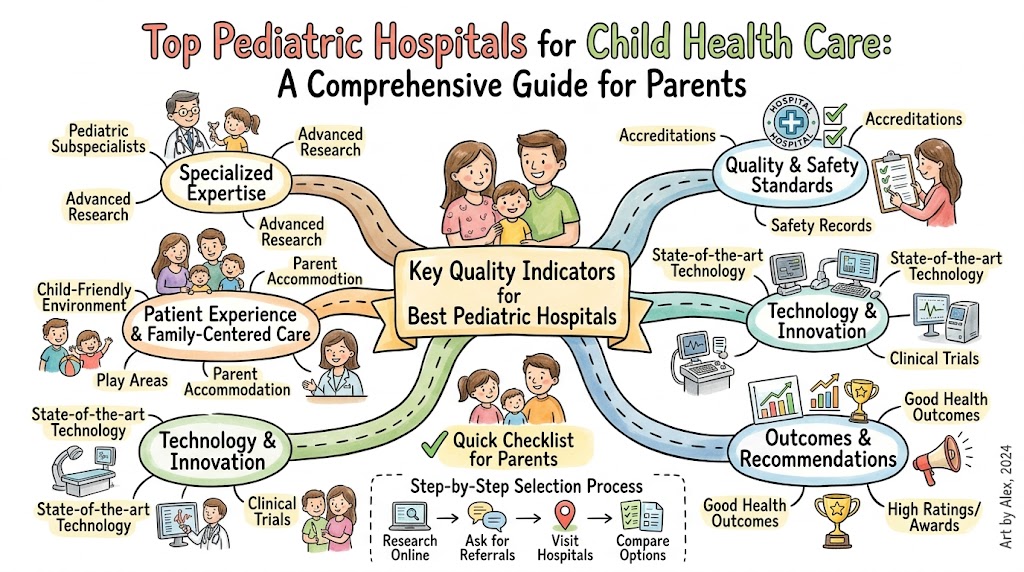
When evaluating top pediatric hospitals for child health care, prioritize facilities that feature a dedicated pediatric emergency department, 24/7 NICU and PICU infrastructure, and a comprehensive roster of board-certified pediatric specialists. Look for institutions that utilize child-specific diagnostic technologies, practice family-centered care models, and maintain an excellent clinical reputation for safety, successful outcomes, and emotionally supportive patient care.
Final Thoughts
Navigating your child’s health and development is a profound journey filled with critical decisions, unexpected challenges, and milestones. As a parent or caregiver, understanding that children require an entirely dedicated, specialized approach to medical care is the first and most important step toward securing their well-being. The early years of a child’s life pass quickly, yet the physical and emotional foundation built during this period sets the stage for their entire adult life.
Dedicated pediatric hospitals serve as an invaluable resource for families. By bringing together highly trained pediatric specialists, cutting-edge, low-dose diagnostic technologies, and a nurturing environment designed to eliminate fear, these institutions ensure that your child receives the safest, most precise medical care possible. From the tiniest premature infant in a smart neonatal incubator to an adolescent managing a chronic illness, specialized healthcare systems are built to support life at every stage of growth.
Furthermore, we must never underestimate the power of preventive medicine. Staying consistent with regular well-child visits, sticking strictly to scientifically validated vaccination charts, and paying close attention to early developmental signs allows you to intercept potential health issues before they can impact your child’s future.
As you move forward, look at your relationship with pediatric healthcare not merely as a reaction to emergency illnesses, but as a proactive, lifelong partnership. By choosing the right medical environments, educating yourself on common childhood conditions, and leaning on trusted, professional guidance, you can confidently protect your child’s health, optimize their natural development, and give them the bright, healthy future they truly deserve.

Find Trusted Cardiac Hospitals
Compare heart hospitals by city and services — all in one place.
Explore Hospitals
Good information about pediatric hospitals. It helped me understand child healthcare better.
Excellent guide for parents! Clear, informative, and easy to understand. A valuable resource for making informed decisions about children’s healthcare.