Introduction
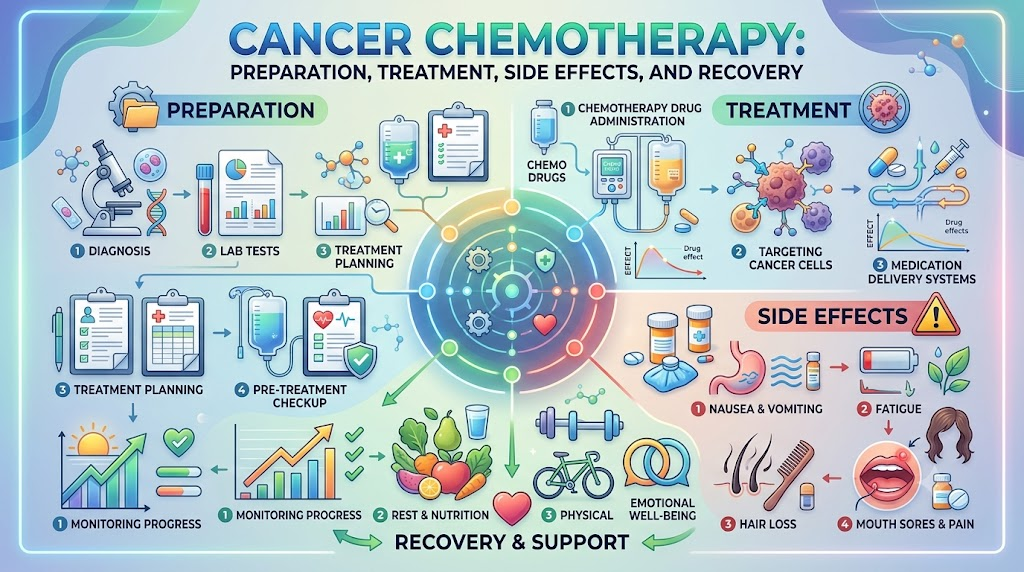
Starting cancer chemotherapy can bring many questions. What will treatment feel like? What should you arrange before the first session? How might side effects affect work, food, sleep, and everyday activities? Having clear information can make the process feel more manageable and help patients and caregivers prepare for practical changes.
Cancer treatment is different for every person, so there is no single chemotherapy experience. Your oncology team will explain the medicines, schedule, tests, and precautions that apply to your situation. Resources such as MyHospitalNow can also help readers understand healthcare topics in simple language. Knowing what to expect can make it easier to plan for treatment while taking recovery one step at a time.
What Is Cancer Chemotherapy?
Cancer chemotherapy uses medicines to treat cancer. Depending on the situation, chemotherapy may be used to destroy cancer cells, slow their growth, reduce the chance of cancer returning, or help control cancer-related symptoms.
The chemotherapy plan varies from person to person. Cancer type and stage, the goal of treatment, medicines being used, and overall health can all influence the treatment approach. Some people receive chemotherapy alone, while others may receive it along with surgery, radiation therapy, targeted treatment, immunotherapy, or other cancer treatments.
Preparing for Chemotherapy
Good chemotherapy preparation begins with a conversation with the cancer care team. Ask what medicines will be used, how treatment will be given, how often sessions are expected, and what tests or appointments are needed before treatment starts.
Recommended blood tests, scans, or other checks may be used to help the healthcare team understand your current health and decide whether treatment can proceed as planned. Give the team a complete list of prescription medicines, over-the-counter products, vitamins, and supplements you use. Some products may affect treatment or need special consideration.
Practical planning can make treatment days easier. Arrange transportation if your treatment or medicines could make driving unsafe. Depending on your situation, having someone available to help with meals, shopping, childcare, household tasks, or appointments may also be useful.
Before the first session, discuss possible chemotherapy side effects with your healthcare team. Knowing which symptoms may occur and how they can be managed gives you a clearer plan if problems develop.
Preparing Your Home and Daily Routine
Try to keep the days around treatment as flexible as possible. Stocking up on simple foods, arranging help with household work, and planning periods of rest can reduce pressure.
Work schedules may also need adjustment. Some people continue working during chemotherapy, while others need more time away from work. Your energy and treatment plan may change from one session to another, so leaving room for flexibility is often practical.
What to Expect During the Chemotherapy Process
Chemotherapy can be given in different ways. Some medicines are given through an IV, while others are taken by mouth. The method depends on the specific medicine and treatment plan.
Treatment may take place in an outpatient cancer center, clinic, or hospital. Many people return home after a session, while others may need hospital care because of the treatment itself or their medical needs.
During a treatment visit, the healthcare team may check your health, review symptoms, give the prescribed treatment, and monitor you as needed. The experience can vary considerably. Some people feel relatively well during treatment, while others may notice tiredness, nausea, or other symptoms.
Do not compare your experience too closely with someone else’s. Different chemotherapy medicines and individual health conditions can lead to very different experiences.
Common Chemotherapy Side Effects
Chemotherapy side effects depend on the medicines used, the treatment schedule, and the individual. Not everyone develops the same problems, and side effects can also change during the course of treatment.
Common concerns may include:
- Fatigue or reduced energy
- Nausea or vomiting
- Changes in appetite or taste
- Mouth soreness or other mouth problems
- Hair loss or hair thinning with some medicines
- Constipation or diarrhea
- Changes in blood counts
- Increased risk of infection with some treatments
Tell your healthcare team about symptoms rather than trying to manage severe problems alone. Many chemotherapy side effects can be treated or reduced with appropriate medical care. Do not stop chemotherapy, skip treatment, or change prescribed medicines without speaking with your oncology team.
Managing Daily Life During Chemotherapy
Chemotherapy care is not limited to treatment days. Rest is useful when your body needs it, but complete inactivity is not always necessary. If your healthcare team approves, gentle movement such as short walks may help you maintain daily activity.
Drink fluids according to the guidance provided by your healthcare team. Eating may become difficult if nausea, mouth problems, taste changes, or poor appetite occur. Smaller meals and foods that are easier to tolerate may be useful for some people, but individual needs differ.
Emotional support matters too. Cancer treatment can affect mood, relationships, work, and family life. Talking with trusted family members, caregivers, counselors, support groups, or members of the cancer care team can provide practical and emotional support.
Keeping a simple record of appointments, symptoms, questions, and medicines can also make communication with your healthcare team easier.
Nutrition During Chemotherapy
Nutrition needs can change during cancer treatment. Some people have little appetite, while others may have difficulty swallowing, changes in taste, nausea, or unwanted weight changes.
Rather than following a special cancer diet without medical guidance, discuss eating problems with your healthcare team. A qualified dietitian can provide advice based on your cancer treatment, health needs, eating difficulties, and nutritional goals.
Tell the care team if you are having persistent nausea, difficulty eating or drinking, swallowing problems, significant weight changes, or other concerns affecting your nutrition.
Chemotherapy Recovery
Recovery after chemotherapy is not the same for everyone. Fatigue and other side effects may continue for some time after treatment, while some people begin to feel better sooner.
Follow-up appointments are an important part of recovery. Your healthcare team may review symptoms, check your overall health, monitor blood tests or other findings, and decide what follow-up care is needed.
Try to give your body time to recover instead of expecting an immediate return to your previous routine. Gradually returning to normal activities may be more realistic than trying to do everything at once.
When to Contact Your Healthcare Team Urgently
Your oncology team should give you specific instructions about symptoms that require urgent attention. Follow those instructions carefully because the level of concern can depend on your treatment and health condition.
Contact your healthcare team promptly if you develop concerning symptoms such as signs of infection, severe or persistent vomiting, difficulty breathing, unusual bleeding, severe weakness, or a significant change in your condition. If your care team has provided an emergency number or after-hours instructions, keep them somewhere easy to find.
A Simple Chemotherapy Preparation and Recovery Checklist
| Preparation or Recovery Area | What It Involves | Why It Matters |
|---|---|---|
| Treatment plan | Schedule, medicines, tests, and treatment goals | Helps you know what to expect |
| Medicines | Review prescriptions, vitamins, and supplements | Reduces possible treatment problems |
| Transportation | Arrange rides when needed | Supports safe travel after treatment |
| Food and fluids | Plan suitable meals and discuss nutrition concerns | Helps maintain strength and hydration |
| Daily support | Arrange help with chores, children, or errands | Reduces pressure during treatment |
| Side effects | Learn which symptoms to report | Allows problems to be addressed early |
| Follow-up care | Attend appointments and recommended tests | Supports ongoing monitoring and recovery |
Frequently Asked Questions
1. How should I prepare for my first chemotherapy session?
Talk with your oncology team about the treatment schedule, medicines, tests, possible side effects, and any instructions you need to follow. Arrange transportation and practical support if your treatment may affect your energy or ability to drive.
2. How long does a chemotherapy treatment session take?
The length varies depending on the medicines, treatment plan, preparation, and monitoring required. Your cancer care team can tell you approximately how long your particular appointment may take.
3. Can chemotherapy be taken by mouth?
Yes. Some chemotherapy medicines are taken orally, while others are given through an IV or by another method. The route depends on the medicine and your treatment plan.
4. Will I definitely have chemotherapy side effects?
No. Side effects vary between people and depend on the medicines being used and other factors. Some people experience several side effects, while others have fewer or milder problems.
5. What should I eat during chemotherapy?
There is no single diet that is suitable for everyone receiving chemotherapy. If appetite, nausea, swallowing, taste changes, or weight changes become problems, speak with your healthcare team or a qualified dietitian.
6. Why am I so tired during chemotherapy?
Fatigue can occur during cancer treatment and may have several causes, including the treatment itself, changes in blood counts, poor sleep, nutrition problems, or the effects of cancer. Tell your healthcare team if tiredness is severe, persistent, or affecting daily activities.
7. How long does recovery after chemotherapy take?
Recovery time varies widely. Some side effects improve relatively quickly, while fatigue or other symptoms may continue after treatment ends. Your healthcare team can give you guidance based on your treatment and individual health.
8. Why are follow-up appointments needed after chemotherapy?
Follow-up visits allow the healthcare team to monitor recovery and address ongoing side effects or other health concerns. They also provide an opportunity to discuss future care and any tests that may be needed.
9. When should I contact my healthcare team during chemotherapy?
Follow the specific instructions provided by your oncology team. Signs of infection, severe or persistent vomiting, difficulty breathing, unusual bleeding, severe weakness, or other major changes may require prompt medical attention.
10. Can I continue normal activities during chemotherapy?
Some people continue many usual activities, while others need to reduce their workload or take more rest. Your activity level should reflect how you feel and any restrictions or advice provided by your healthcare team.
Conclusion
Cancer chemotherapy can affect each person differently, so preparation and recovery should be based on individual medical guidance. Understanding the treatment schedule, reviewing medicines, arranging practical support, watching for side effects, and keeping follow-up appointments can make the treatment journey easier to manage. Nutrition, rest, emotional support, and communication with the cancer care team also matter throughout treatment. Recovery may take time, and there is no need to expect the same timeline as another patient. Keep your healthcare team informed about changes and concerns throughout your care.

Find Trusted Cardiac Hospitals
Compare heart hospitals by city and services — all in one place.
Explore Hospitals