Introduction
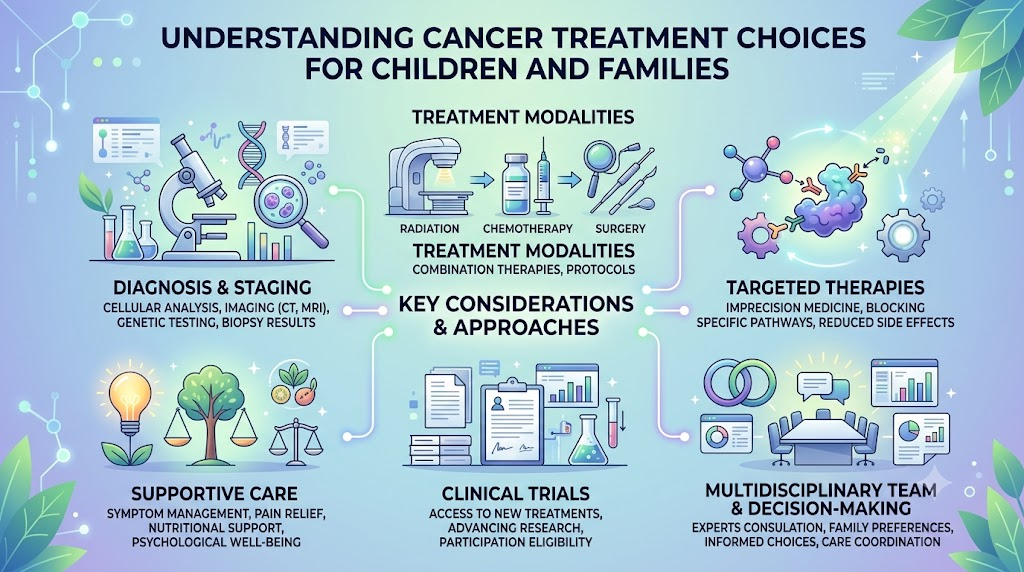
A cancer diagnosis can feel hard for any family. Children may need different types of cancer treatment. The right choice depends on many health details. Some children need one treatment only, while others may need several treatments together. Pediatric cancer treatment needs careful planning and teamwork. A pediatric cancer specialist helps guide this process. Families can also learn about hospitals and care options through MyHospitalNow. Parents should ask questions at every step. The child’s care team can explain each option clearly. Treatment choices should always come from qualified pediatric oncology professionals.
What Is Pediatric Cancer?
Cancer happens when some cells grow in an unusual way. These cells may grow too fast or form a tumor. Some cancers affect blood cells instead of forming tumors. Childhood cancer can affect children in different ways. Common types include childhood leukemia, lymphoma, and brain tumors. These cancers can differ from cancers seen in adults. Children also have special growth and health needs. So, pediatric cancer care needs trained child specialists. Doctors study the cancer before choosing a treatment plan. This helps the team understand what type of care may help.
Why Does Treatment Differ Between Children?
There is no single treatment for every child. Doctors look at many details before choosing treatment options for childhood cancer. They consider the cancer type, location, and risk group. They also review test results and the child’s age. Overall health can also affect treatment choices. Doctors may study certain genetic or molecular features. These features can give more information about the cancer. The child’s response to treatment also matters. So, doctors may change the plan when needed. This is why one child’s treatment may differ from another child’s treatment.
The Role of a Pediatric Cancer Team
Pediatric cancer treatment often needs a team of specialists. A pediatric oncologist helps plan and guide cancer care. A pediatric surgeon may help when surgery is needed. A radiation specialist may guide radiation therapy. Pathologists study tissue and other test samples. Radiologists help doctors understand medical images. Nurses provide daily care and support. Pharmacists help with safe medicine use. Nutrition experts can support the child’s nutrition needs. Rehabilitation specialists may help with movement and daily activities. Psychologists, social workers, and child life specialists can also help. These professionals may work together to support the child and family.
Chemotherapy for Childhood Cancer
Chemotherapy uses medicines to fight cancer cells. It is used for many types of childhood cancer. Doctors choose the treatment based on the child’s cancer. The treatment schedule can also differ between children. Chemotherapy can affect healthy cells as well as cancer cells. This can cause side effects during treatment. Common effects may include tiredness, nausea, and hair loss. Blood counts may also change during treatment. Some children may have a higher risk of infection. Parents should discuss possible side effects with the child’s care team. The medical team can explain what to expect during treatment.
Surgery for Pediatric Cancer
Cancer surgery may help remove a tumor. It may also help doctors examine a tumor or confirm a diagnosis. Surgery depends on the tumor’s location and other health details. Not every child with cancer needs surgery. Pediatric cancer surgery needs special planning and care. Children’s bodies are still growing and changing. Doctors consider these needs when planning surgery. A pediatric surgeon has special training in caring for children. Parents should ask why surgery is being considered. They should also ask what role surgery may have in the overall care plan.
Radiation Therapy for Children
Radiation therapy uses high-energy radiation to target cancer cells. It may be used for certain childhood cancers. Doctors carefully plan radiation treatment for each child. They consider the cancer location and the child’s age. Growing children need special care during radiation treatment. Radiation is not needed for every child with cancer. A radiation specialist helps decide when it may have a role. The care team also explains possible side effects. Parents should ask questions if they do not understand the treatment plan.
Immunotherapy in Pediatric Cancer Care
Immunotherapy helps the body’s immune system recognize or attack cancer cells. It works differently from standard chemotherapy. Some children may receive immunotherapy for certain cancers. However, it is not suitable for every child. Doctors first study the child’s cancer and test results. They then decide if this treatment may be useful. Immunotherapy can be part of a wider pediatric oncology treatment plan. Parents should ask the care team why it is being considered. They should also ask about possible side effects and monitoring.
Targeted Therapy for Childhood Cancer
Some cancer cells have special changes. Targeted therapy acts on certain cancer features. Doctors may use special tests to find these features. These tests can help doctors understand the cancer better. Targeted therapy may be useful for some cancers. It is not suitable for every child or every cancer. Doctors decide based on the child’s test results. This treatment may also be used with other treatments. Parents can ask the care team to explain how targeted therapy works. Simple explanations can make treatment choices easier to understand.
Stem Cell and Bone Marrow Transplant
Stem cells help the body make healthy blood cells. Bone marrow is soft tissue inside some bones. It helps make many blood cells. A stem cell transplant replaces damaged blood-forming cells. A bone marrow transplant is one type of stem cell transplant. Doctors may consider this treatment for certain serious cancers. It is used only in selected cases. This treatment needs specialized hospital care. Strong infection control is also important. The child’s care team explains if a transplant has a role. Parents should discuss the reasons, risks, and care needs with specialists.
Supportive and Palliative Care
Cancer care is not only about treating cancer cells. Supportive care helps children manage problems during treatment. It may support pain, nausea, nutrition, sleep, and emotional stress. It can also help parents and other family members. Supportive care may continue along with cancer treatment. Palliative care focuses on comfort and quality of life. It can be part of care at different stages. Palliative care does not always mean cancer treatment has stopped. The goal is to support the child and family. Families can ask what supportive services their hospital provides.
Clinical Trials for Childhood Cancer
A clinical trial studies a medical treatment or care approach. Researchers use trials to learn more about safety and results. Some children may qualify for a clinical trial. Taking part is voluntary. Doctors explain the possible benefits and risks first. Families can ask questions before making a choice. A clinical trial is not automatically better than standard care. The care team can explain whether a trial may be relevant. Parents should make decisions with qualified medical professionals.
How Do Doctors Choose a Treatment?
Doctors review many details before choosing treatment. They look at the cancer type and location. They may also review the cancer stage or risk group. Test results can provide more useful information. The child’s age and overall health also matter. Genetic or molecular findings may guide some treatment choices. Doctors also look at previous treatments and cancer response. Some children may need more than one treatment. For example, doctors may combine chemotherapy with surgery or radiation. The plan can change as the child’s care continues.
Main Pediatric Cancer Treatment Options
| Treatment Option | Main Purpose | Important Point |
|---|---|---|
| Chemotherapy | Uses medicines to fight cancer cells | Used for many childhood cancers |
| Surgery | Removes or examines a tumor | Depends on tumor location |
| Radiation Therapy | Targets cancer cells with radiation | Planned carefully for children |
| Immunotherapy | Helps the immune system fight cancer | Used for selected cancers |
| Targeted Therapy | Acts on certain cancer features | May need special testing |
| Stem Cell Transplant | Restores healthy blood-forming cells | Used in selected serious cases |
Why Specialized Pediatric Cancer Hospitals Matter
Children may need many types of cancer care. A pediatric cancer hospital may have trained oncology specialists. It may also have pediatric nurses and cancer testing services. Some centers offer pediatric cancer surgery and radiation services. Certain hospitals may also provide transplant care. Intensive care support can be important for some children. Infection control is another important part of cancer care. Emotional and family support can also help. Families can ask which services are available before choosing a hospital. MyHospitalNow.com can help families explore general hospital information and pediatric healthcare services.
Diagnosis and Testing Before Treatment
Accurate diagnosis helps doctors understand the cancer. Doctors may use blood tests and medical imaging. A biopsy may also be needed in some cases. Pathology helps doctors study tissue from the body. Genetic or molecular testing may provide more information. Doctors use these results when planning care. Parents may hear many new medical terms during this process. It is normal to have questions. Parents should ask the care team to explain each test clearly. Test results should always be discussed with qualified specialists.
Managing Side Effects During Treatment
Cancer treatment can cause different side effects. These effects can vary from child to child. Common problems may include tiredness and nausea. Some children may have appetite changes or hair loss. Mouth problems can also occur during some treatments. Blood count changes may increase infection risk. Emotional stress can also affect children during care. Parents should tell the child’s medical team about new symptoms. The care team can explain which symptoms need attention. Families should not start or stop treatment without medical advice.
Emotional Support for Children
Cancer can change a child’s normal daily life. Hospital visits may affect school and time with friends. Children may also feel fear, sadness, or stress. Simple and honest communication can help children feel supported. Child life specialists can explain hospital care in child-friendly ways. Counselors and psychologists may also provide emotional support. School support can help children stay connected with learning. Family support can make hospital visits feel less lonely. Emotional care should match the child’s age and needs.
Support for Parents and Caregivers
Parents may have many questions during childhood cancer treatment. Keeping medical records organized can make appointments easier. Parents can write down questions before each visit. They can also ask doctors to explain new medical terms. It may help to keep test reports in one place. Family members can help with daily tasks when needed. Hospital social workers may also provide useful support. Parents should avoid comparing one child’s treatment with another child’s treatment. Every child’s cancer and care needs can be different.
Recovery and Follow-Up Care
Cancer care can continue after active treatment ends. Follow-up visits help doctors check the child’s health. The team may monitor possible effects of treatment. Some children may need physical rehabilitation after treatment. Emotional support can also remain important. Returning to school may be part of the recovery process. Long-term follow-up care may help monitor future health needs. There is no fixed recovery time for every child. Each child can have a different recovery journey. Families should follow the care plan given by their medical team.
Common Mistakes Families Should Avoid
Families can feel confused during cancer care. Clear information can help them make informed choices. One common mistake is relying only on online information. Another is delaying specialist care or missing follow-up visits. Parents should ask questions when something is unclear. They should also share important medical history with doctors. Comparing one child’s treatment with another can cause confusion. Every cancer can need a different treatment approach. Families should also remember emotional support. Asking for help is a normal part of cancer care.
How MyHospitalNow Can Help
Finding clear healthcare information can help families prepare for appointments. MyHospitalNow can help families research hospitals and healthcare services. Families can explore information about pediatric oncology and cancer care. They can also learn about different healthcare specialties. The platform can help parents prepare questions before appointments. Families can compare general hospital information in one place. This may make early research easier for caregivers. However, MyHospitalNow.com does not replace a pediatric oncologist. It does not choose the right treatment for a child. Treatment decisions should always come from the child’s qualified care team.
A Simple Fictional Family Example
This example is completely fictional. A child receives a new cancer diagnosis. The parents feel confused about the treatment choices. They ask the pediatric oncology team many questions. They learn that treatment depends on cancer type and test results. They also ask about side effects and supportive care. The parents keep medical records organized for each visit. They use MyHospitalNow.com to research general hospital information. They then discuss their findings with the child’s medical team. They do not make treatment decisions from online information alone.
Frequently Asked Questions
1. What are the main pediatric cancer treatment options?
The main options include chemotherapy, surgery, and radiation therapy. Some children may also need immunotherapy, targeted therapy, or stem cell transplant. The treatment depends on the child’s cancer.
2. Does every child with cancer need chemotherapy?
No, every child does not need chemotherapy. Treatment depends on the cancer type and other health details. Doctors choose care based on the child’s needs.
3. When might surgery be used for childhood cancer?
Surgery may help remove or examine a tumor. Its use depends on the tumor’s location and other medical details. Not every child needs cancer surgery.
4. What is radiation therapy for children?
Radiation therapy uses high-energy radiation to target cancer cells. Doctors plan it carefully for children. It is used only when it has a role in treatment.
5. What is immunotherapy in pediatric cancer care?
Immunotherapy helps the body’s immune system recognize or attack cancer cells. It works differently from chemotherapy. It is used for selected childhood cancers.
6. When might targeted therapy be considered?
Targeted therapy may be considered when cancer has certain features. Special tests may help doctors find these features. It does not work for every cancer.
7. What is a stem cell or bone marrow transplant?
A stem cell transplant replaces damaged blood-forming cells. Bone marrow transplant is one type of stem cell transplant. Doctors use these treatments in selected cases.
8. How do doctors choose a treatment for a child?
Doctors review the cancer type, location, and test results. They also consider the child’s age and overall health. The child’s response to treatment also matters.
9. Why is a pediatric cancer hospital important?
Children may need specialized cancer doctors and nurses. Some hospitals also provide surgery, radiation, and transplant services. Families can ask which services are available.
10. Can MyHospitalNow.com help families research pediatric cancer hospitals?
Yes, MyHospitalNow.com can help families explore general hospital information. It can also help families learn about pediatric healthcare services. It does not replace medical advice.
Final Thoughts
Childhood cancer treatment can take many forms. Some children need one treatment, while others need several treatments together. The right plan depends on the child’s specific cancer and health needs. Specialized pediatric cancer teams help coordinate care at each step. Parents should ask questions and understand the care plan. Emotional and family support also matter during treatment and recovery. MyHospitalNow.com can help families explore general healthcare and hospital information. However, qualified pediatric oncology professionals should always guide treatment decisions.

Find Trusted Cardiac Hospitals
Compare heart hospitals by city and services — all in one place.
Explore Hospitals