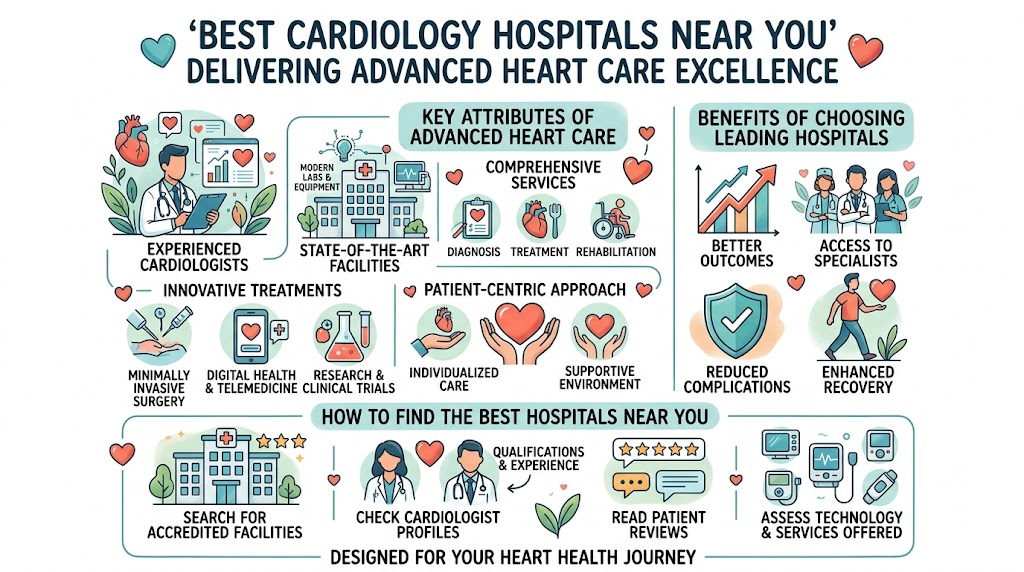
Navigating the modern healthcare landscape can feel incredibly overwhelming, especially when you are searching for critical cardiac care. Far too often, individuals turn to internet search engines at the first sign of chest discomfort or heart palpitations, falling into a trap of misleading health information. Self-diagnosis frequently breeds unnecessary panic or, even worse, leads to a dangerous delay in seeking professional treatment. When it comes to your heart, guesswork is never an option, and relying on unverified forum posts can put your life at serious risk.
Finding the best cardiology hospitals near you requires a clear, reliable path through the digital noise. This comprehensive guide serves as your trusted healthcare roadmap, stripping away dense medical jargon to deliver practical advice. We will explore how modern cardiac care has evolved, how to identify top-tier medical facilities, and how digital healthcare innovations help you connect with specialists faster than ever before. You will learn the core principles of patient-centered care and how to distinguish between a minor cardiac concern and a true medical emergency.
What This Guide Covers
- The evolution of modern cardiac networks and telemedicine support.
- Key metrics for identifying top-performing cardiology hospitals.
- A clear breakdown of advanced cardiac technologies and treatment styles.
- Practical steps to avoid common online health mistakes.
- How virtual healthcare tools streamline your journey to recovery.
Your journey toward excellent cardiovascular health deserves the highest standard of verified medical guidance. By leveraging professional digital resources, you can skip the confusion of generic search results and find certified specialists tailored to your precise needs. To explore verified medical insights, book virtual consultations, and find top-rated cardiac experts in your area, visit Myhospitalnow today to take control of your healthcare journey.
The Evolution of Online Healthcare Services
Early Challenges in Digital Healthcare
In the early days of the internet, searching for cardiovascular symptoms online usually resulted in a wave of terrifying and inaccurate information. Patients frequently encountered unverified blogs that amplified their anxiety, leading to rampant self-medication and a complete lack of verified medical guidance. Because anyone could publish health advice, misinformation flourished, causing many individuals to delay crucial, life-saving treatments at local hospitals.
This chaotic digital environment created a massive trust gap between patients and online resources. People simply could not distinguish between a well-researched medical article and an unverified opinion piece. As a result, cardiologists frequently noticed patients arriving at emergency rooms with advanced conditions that could have been easily managed if they had received accurate guidance earlier.
Moving Toward Trusted Telemedicine Platforms
Fortunately, the rise of dedicated online doctor consultation platforms changed the entire healthcare paradigm. Digital healthcare transformed from a chaotic wild west of information into a structured, secure, and accessible ecosystem. Patients suddenly gained the ability to consult with certified cardiologists and general practitioners from the comfort of their homes.
This shift vastly improved patient convenience and shattered geographic barriers. A person living in a remote suburb could now speak with a leading cardiac advisor without traveling for hours. Virtual triage systems began helping patients understand whether their symptoms required an immediate emergency room visit or a scheduled outpatient appointment.
Expansion Across Modern Healthcare Ecosystems
Today, digital healthcare platforms have expanded globally, integrating seamlessly with physical hospital networks. Telemedicine is no longer just an alternative for minor ailments; it is a vital component of complex cardiac care management. Modern infrastructure allows for the swift transmission of digital health data across entire medical systems.
This global expansion means that local clinics and major cardiac centers can collaborate instantly. Digital healthcare platforms now support everything from initial symptom evaluations to post-operative cardiac rehabilitation tracking. This interconnected ecosystem ensures that no matter where a patient is located, top-tier medical expertise is always within reach.
Defining Reliable Medical Advice Online
Core Structure of Online Medical Guidance
Reliable online medical guidance operates through highly secure, structured digital consultation systems. When a patient logs into a professional healthcare platform, they enter a strictly regulated workflow designed to mimic an in-person triage. The system securely collects patient history, current medications, and specific symptoms before matching them with an appropriate healthcare provider.
These digital workflows ensure that data flows seamlessly from the patient to the medical professional without risk of exposure. Advanced encryption keeps your private health metrics safe while allowing doctors to review your file before the virtual consultation even begins. This structured approach eliminates the randomness of generic internet searches and replaces it with clinical precision.
Daily Responsibilities of Online Healthcare Providers
The daily operations of a telemedicine platform involve a dedicated team of doctors, case managers, and support staff working in unison. Online healthcare providers spend their days conducting virtual consultations, reviewing digital diagnostic reports, and coordinating care plans. They carefully evaluate patient inputs to provide accurate, real-world medical guidance.
Beyond direct consultations, these providers actively monitor patient follow-ups and update digital prescriptions. If a patient reports escalating symptoms during a routine virtual check-in, the online provider immediately initiates an escalation protocol. This continuous oversight ensures that virtual care remains dynamic, responsive, and deeply anchored in patient safety.
Local Clinics vs. Online Healthcare Platforms
Understanding the distinction between traditional physical clinics and virtual healthcare platforms helps you utilize both effectively.
| Feature | Traditional Local Clinics | Online Healthcare Platforms |
| Accessibility | Limited by geographic location and clinic hours | Available from anywhere with 24/7 digital access |
| Wait Times | Can take days or weeks for an open appointment | Often connects patients with providers in minutes |
| Physical Exam | Full hands-on examinations and on-site testing | Restricted to visual assessments and data reviews |
| Ideal For | Emergency care, procedures, and complex testing | Triage, consultations, routine follow-ups, and advice |
The Patient-Centered Digital Healthcare Mindset
Embracing a patient-centered digital healthcare mindset means taking an active, informed role in your own wellness journey. Modern healthcare accessibility empowers you to seek professional opinions without the traditional friction of long commutes and crowded waiting rooms. This convenience encourages individuals to address minor cardiovascular concerns before they evolve into severe chronic illnesses.
However, utilizing this digital mindset correctly requires an understanding that virtual platforms are an enhancement, not a complete replacement, for physical medicine. A responsible patient uses online tools to gather verified data, speak with experts quickly, and coordinate physical care when required. It shifts the patient from a passive recipient of care to an active coordinator of their health.
The 7 Core Principles of Best Cardiology Hospitals Near You
1. Verified Medical Information
Every reputable cardiology network must base its patient communication on strictly verified medical information. Top-tier hospitals ensure that all educational content, treatment guides, and digital insights are authored by board-certified cardiologists. This commitment to accuracy protects patients from dangerous health myths and ensures that every piece of advice aligns with current clinical guidelines.
2. Patient Safety & Privacy
Cardiovascular care requires the collection of highly sensitive personal data, making patient safety and privacy a top priority. Leading hospitals employ bank-grade encryption and strictly adhere to medical privacy laws to safeguard digital health records. Patients must feel entirely secure knowing that their medical history, diagnostic images, and consultation videos are protected from data breaches.
3. Reducing Delays in Medical Guidance
When dealing with the heart, time is directly correlated with muscle survival. A core principle of top cardiac facilities is the dramatic reduction of delays in delivering medical guidance. By utilizing rapid online triage and immediate virtual consultations, these systems help patients bypass bureaucratic hurdles, ensuring they receive expert recommendations when every minute counts.
4. Healthcare Visibility & Transparency
Trust is built on transparency, which is why top cardiology centers provide clear visibility into their operations. This means publishing verified doctor profiles, displaying clinical success rates, and openly sharing patient reviews. When you can easily view a cardiologist’s credentials, experience, and area of expertise, you can make healthcare decisions with absolute confidence.
5. Healthcare Automation & Accessibility
Modern cardiac care utilizes healthcare automation to simplify the patient journey and maximize accessibility. Automated appointment scheduling, digital prescription renewals, and instant text reminders take the logistical burden off the patient. This seamless digital infrastructure ensures that scheduling a critical follow-up or accessing your lab results requires only a few clicks on a smartphone.
6. Reliable Virtual Medical Support
A high-performing digital healthcare network must maintain operational stability at all times. Reliable virtual medical support means that telemedicine connections are crystal clear, digital platforms experience zero downtime, and technical support is available around the clock. If a patient needs to reach their care team during an anxious moment, the technology must work flawlessly.
7. Simplified Healthcare Consultation Experience
The final guiding principle is creating an entirely simplified healthcare consultation experience. Medical anxiety is already high when dealing with heart health, so the platform itself should never cause additional frustration. Clean user interfaces, straightforward navigation, and compassionate digital interactions ensure that patients can focus entirely on their health rather than struggling with technology.
Key Healthcare Concepts You Must Know
Online Consultation vs. Self-Diagnosis vs. Professional Medical Advice
- Self-Diagnosis: An unsafe practice where an individual guesses their medical condition based on generic internet searches, often leading to unneeded anxiety or missed warning signs.
- Online Consultation: The digital process of connecting with a live, certified healthcare professional via video, audio, or text to evaluate symptoms safely.
- Professional Medical Advice: The definitive, legally binding diagnosis and treatment plan provided exclusively by a licensed medical practitioner after a proper evaluation.
Healthcare Performance Tracking
To maintain an elite standard of care, modern cardiac networks continuously monitor healthcare performance tracking metrics. They analyze how quickly patients are connected with specialists and measure the precision of digital diagnoses. By reviewing patient outcomes and feedback, these systems constantly refine their workflows to ensure that virtual care matches the quality of an in-person hospital visit.
Digital Healthcare Challenges
Despite massive advancements, digital healthcare still faces persistent challenges that patients must navigate carefully. The internet remains flooded with fake medical advice, sponsored miracle cures, and exaggerated health claims that cause immense patient confusion. Recognizing these challenges means relying solely on established, certified healthcare platforms that openly verify their medical staff.
Medical Escalation & Emergency Coordination
Understanding medical escalation is a critical safety skill for anyone utilizing online healthcare services. Virtual consultations are incredibly effective for managing chronic high blood pressure, adjusting medications, or discussing recovery steps. However, if a patient exhibits signs of a heart attack, the online provider immediately activates emergency coordination protocols, directing the patient to the nearest physical emergency room.
Capacity Planning in Telemedicine
Just like a physical waiting room, digital healthcare platforms must manage capacity planning to handle high patient demands. During peak hours, advanced algorithms route patients efficiently based on the urgency of their symptoms. This ensures that a patient reporting stable, routine questions never accidentally delays a patient who requires immediate medical triage.
Four Critical Healthcare Metrics
+-----------------------------------------------------------------------+
|                       CRITICAL HEALTHCARE METRICS                     |
+-----------------------------------------------------------------------+
|  1. Patient Response Time   -->  Measures speed of initial connection |
|  2. Consultation Quality    -->  Evaluates clinical accuracy and care |
|  3. Patient Satisfaction    -->  Tracks overall user experience scores|
|  4. Accessibility Efficiency-->  Monitors ease of booking and entry   |
+-----------------------------------------------------------------------+
Online Healthcare Technology vs. Traditional Healthcare Systems
The Healthcare Philosophy Difference
The core difference between virtual healthcare and traditional systems lies in their fundamental approach to patient interaction. Virtual healthcare prioritizes proactive convenience, rapid access, and continuous digital monitoring, making it highly effective for preventative care and chronic disease management. Traditional healthcare focuses heavily on reactive physical intervention, hands-on diagnostics, and immediate emergency procedures.
Roles & Responsibilities Compared
Online Doctors
- Conduct initial virtual symptom triage and medical evaluations.
- Review digital health data, laboratory results, and lifestyle metrics.
- Provide professional medical advice and authorize digital prescriptions.
- Refer patients to local physical cardiac centers when advanced testing is required.
Healthcare Advisors
- Guide patients through complex medical networks to find the right specialists.
- Explain treatment plans and lifestyle modifications in simple terms.
- Offer continuous educational support regarding cardiovascular wellness.
- Help patients prepare for upcoming surgical procedures or consultations.
Telemedicine Support Teams
- Ensure the digital consultation platform remains stable and operational.
- Assist patients with technical troubleshooting during video calls.
- Manage secure data transmission between patients and providers.
- Maintain the digital scheduling infrastructure for seamless booking.
Patient Coordinators
- Manage the smooth transition of patients from online platforms to physical clinics.
- Handle the transfer of medical records and diagnostic images securely.
- Coordinate follow-up care schedules after hospital discharges.
- Act as the primary point of contact for logistical patient inquiries.
Healthcare IT Teams
- Maintain robust cybersecurity protocols to protect sensitive patient records.
- Optimize the user interface for mobile and desktop readability.
- Integrate automated healthcare tools into the telemedicine ecosystem.
- Monitor server capacities to prevent platform downtime during peak hours.
Can Both Healthcare Systems Work Together?
Absolutely, and this integration is known as a hybrid healthcare system. In a modern hybrid model, a patient might discover an irregular heartbeat through a wearable fitness tracker, consult a digital cardiologist the same afternoon, and receive a referral for an in-person echocardiogram at a local clinic. Once the physical test is complete, the results are uploaded directly to the digital platform for a follow-up consultation, creating a seamless loop of care.
Which Healthcare Model Should Patients Choose?
The choice between online and traditional healthcare depends entirely on the urgency and nature of your medical need. For routine check-ins, blood pressure management, second opinions, and lifestyle counseling, online healthcare platforms offer unmatched efficiency. However, if you are experiencing severe, sudden chest pain, shortness of breath, or radiating pain down your arm, you must entirely bypass digital platforms and go straight to a physical emergency room.
Real-World Use Cases of Online Medical Advice
How Patients Use Online Healthcare Platforms
Real-world patients utilize digital cardiac platforms in a variety of highly practical ways every single day. A common scenario involves a patient who has been diagnosed with mild hypertension and needs regular medication adjustments. Instead of taking half a day off work to sit in a clinic waiting room, they log into a telemedicine app, share their digital blood pressure logs, and receive an updated prescription within fifteen minutes.
Other patients utilize these services to get a rapid second opinion regarding a recommended cardiac procedure. By uploading their existing medical records and test results to a secure platform, they can consult with a top-tier cardiologist located hundreds of miles away. This accessibility gives families immense peace of mind without the burden of expensive travel.
Emergency & Critical Care Coordination
While online platforms do not treat emergencies directly, they play a vital role in emergency coordination. Consider a situation where a patient is unsure if their mild chest tightness is indigestion or a cardiac event. During a quick virtual triage, the digital doctor recognizes subtle but dangerous warning signs and instructs the patient to call emergency services immediately, while simultaneously transmitting the consultation notes directly to the local hospital’s incoming trauma team.
Managing Healthcare at Large Scale
Top-tier digital healthcare platforms are built to support thousands of patients simultaneously across vast regions. Through advanced cloud-based scheduling and automated intake forms, these platforms prevent administrative bottlenecks. This massive scalability ensures that even during seasonal spikes in healthcare demands, the system remains highly responsive and functional.
High Availability in Digital Healthcare
Cardiovascular anxieties do not keep standard business hours, which is why high availability is essential for modern platforms. True digital healthcare infrastructure features continuous, uninterrupted support, allowing patients to access verified medical information or connect with a triage nurse at any hour of the night. This constant availability reduces unnecessary midnight emergency room visits for non-urgent symptoms.
Efficient Healthcare Support for Rural Areas
In remote or rural communities, specialized medical care is often hours away, leaving residents vulnerable to unmanaged chronic conditions. Telemedicine bridges this geographical divide by bringing elite cardiology expertise directly to rural clinics and homes. Local general practitioners can use these platforms to co-consult with distant cardiac specialists, ensuring rural patients receive top-tier treatment plans without leaving their communities.
Common Mistakes in Online Healthcare
Mistake 1 — Trusting Unverified Medical Information
One of the most frequent errors patients make is consuming medical advice from unverified public forums or social media channels. These spaces are often filled with anecdotal stories, outdated theories, and dangerous misconceptions regarding heart health. Always verify that your source of health information is a recognized, certified medical platform staffed by licensed professionals.
Mistake 2 — Ignoring Serious Symptoms
Far too often, individuals use online searches to rationalize away serious, life-threatening symptoms. A patient might search for “reflux remedies” to explain away persistent chest pressure that is actually an evolving heart condition. Never use digital content to convince yourself to ignore physical discomfort; if a symptom feels wrong, seek professional medical advice immediately.
Mistake 3 — Depending Only on Internet Searches
Relying entirely on passive internet searches creates a dangerous vacuum of context. A search engine cannot listen to your heart, review your unique genetic history, or understand your lifestyle variables. Internet searches should only be used to educate yourself on general concepts, never to construct a standalone treatment or diagnostic plan.
Mistake 4 — Sharing Incomplete Medical Information
When using an online consultation platform, some patients fail to provide a complete picture of their health history. Omitting a minor medication, a past allergic reaction, or a family history of heart disease can severely compromise the safety of your virtual diagnosis. Always treat an online doctor with the same radical transparency you would provide during an in-person examination.
Mistake 5 — Delaying Emergency Care
Using a digital platform to evaluate symptoms of a severe, acute medical event is a critical error. If you are experiencing crushing chest pain, sudden facial numbness, or extreme difficulty breathing, every second counts. Attempting to book an online appointment during these moments delays the definitive physical intervention that can save your life.
Mistake 6 — Ignoring Data Privacy
In their rush to find quick health answers, many people accidentally input their sensitive personal details into unencrypted, sketchy websites. Failing to check for secure connection protocols or clear privacy policies can lead to your private medical data being sold to advertisers or exposed in leaks. Protect your medical identity by sticking strictly to verified, secure platforms.
Essential Healthcare Tools & Technologies
Telemedicine Platforms
The foundation of modern virtual care is the specialized telemedicine platform. These systems are far more than simple video calling apps; they are complex, compliant ecosystems built specifically for medical interactions. They feature high-definition video feeds that allow doctors to visually evaluate physical signs, integrated chat systems for sharing quick symptom updates, and secure modules for reviewing digital medical records.
Emergency Coordination Systems
Behind the scenes, advanced emergency coordination systems run constantly to protect high-risk patients. If a virtual consultation detects critical red flags, these systems allow the provider to instantly trigger local emergency responses. They can pinpoint the patient’s location, find the nearest available cardiology emergency room, and send ahead the patient’s critical history so the hospital team is fully prepared before the ambulance arrives.
Healthcare Automation Platforms
To keep medical administration running smoothly, healthcare automation platforms manage the heavy lifting of logistics. These tools handle complex booking schedules, automate prescription refills, and send out personalized wellness reminders. By eliminating manual paperwork, automation allows medical professionals to spend less time filling out forms and significantly more time focusing on direct patient care.
Smart Healthcare Monitoring
The integration of smart healthcare monitoring devices has completely revolutionized chronic cardiovascular care. Patients can now wear lightweight patches, smartwatches, or portable blood pressure cuffs that continuously stream real-time data to their medical team. If a device detects a dangerous spike in blood pressure or an erratic heart rhythm, it instantly alerts the care team, allowing for preventative medical adjustments before symptoms worsen.
Healthcare Performance Tracking
To maintain an elite tier of medical service, healthcare providers utilize sophisticated performance tracking software. These programs analyze anonymized data to measure overall consultation quality, track patient satisfaction scores, and monitor system accessibility. By looking closely at these metrics, hospital administrators can quickly identify bottlenecks and continuously improve the patient experience.
How to Become a Digital Healthcare Expert — Career Roadmap
Skills Every Healthcare Professional Must Have
- Healthcare Communication: The rare ability to explain complex, intimidating medical conditions in clear, compassionate, and jargon-free language over digital mediums.
- Patient Support: A deep commitment to guiding anxious patients through technical and medical workflows with patience and empathy.
- Digital Healthcare Understanding: Mastery of modern telemedicine software, electronic health record systems, and remote monitoring tools.
- Medical Terminology: Comprehensive knowledge of clinical terms to accurately document histories and communicate within professional networks.
- Telemedicine Workflow Knowledge: A seamless understanding of digital intake, secure triage, virtual consultation rules, and emergency escalation pathways.
Professional Learning Path
Building a career in the rapidly growing field of digital healthcare requires a structured educational approach. Most professionals begin with a foundational degree in health administration, nursing, or computer science. From there, gaining practical experience in an outpatient clinic or a traditional hospital setting provides an invaluable understanding of basic clinical workflows and direct patient interaction patterns.
Once the fundamentals are mastered, aspiring experts transition into the digital realm by studying health informatics, telemedicine regulations, and digital system design. This specialized knowledge bridges the massive gap between traditional medicine and cutting-edge software development. Advanced professionals eventually move into leadership roles, designing the very digital systems that route thousands of patients to proper care daily.
Certifications Worth Pursuing
To truly stand out in the competitive digital healthcare landscape, professionals should pursue recognized industry certifications. Earning a Certified Health Informatics Professional credential or a specialized certificate in Telehealth Coordinations proves a deep understanding of digital patient workflows. Additionally, completing advanced courses in medical data privacy regulations ensures you can safely navigate complex legal frameworks.
Educational Resources with Myhospitalnow.com
Continuous learning is entirely vital as medical technology evolves, and finding trusted educational material is the first step. Aspiring digital healthcare experts can explore a wealth of articles, platform guides, and industry insights directly through professional platforms. Exploring the digital healthcare resources available on Myhospitalnow.com provides an excellent foundation for understanding how modern patient management works in the real world.
The Future of Online Healthcare
AI & Automation in Telemedicine
The future of digital healthcare is deeply intertwined with advanced artificial intelligence and smart automation. AI algorithms will soon act as highly intelligent digital assistants, reviewing a patient’s wearable health data to flag subtle cardiovascular trends before the patient even feels a symptom. These automated tools will handle preliminary symptom collection, allowing cardiologists to step into a consultation with a comprehensive data analysis already prepared.
Smart Healthcare & Virtual Consultations
As connected medical devices become increasingly sophisticated, virtual consultations will become even more immersive. Future home health kits will allow patients to perform high-fidelity stethoscopic recordings and basic electrocardiograms from their living rooms, streaming the live data directly to a distant specialist. This hyper-connected ecosystem will make routine virtual heart check-ups just as clinically precise as an in-person appointment.
Cloud-Based Healthcare Systems
The global expansion of cloud-based healthcare infrastructure will ensure that a patient’s medical data is safely accessible whenever and wherever it is needed. No matter if you are visiting a local clinic or traveling across the world, secure cloud networks will allow authorized cardiac teams to instantly view your entire medical journey. This radical reduction in data fragmentation will eliminate repetitive testing and drastically lower overall healthcare costs.
Future Skills That Will Matter Most
- Digital Healthcare Communication: Adapting clinical empathy to video and text-based interactions flawlessly.
- Telemedicine Operations: Managing complex cloud infrastructure and data routing systems seamlessly.
- Healthcare Analytics: Interpreting massive streams of data from patient wearables to identify health risks early.
- Patient Experience Optimization: Designing exceptionally simple, stress-free digital pathways for individuals seeking medical care.
FAQ SECTION
- How do I safely choose the best cardiology hospitals near me using online platforms?
To find elite cardiac facilities safely, always use certified digital healthcare platforms that display verified doctor profiles, clear hospital credentials, and genuine patient satisfaction reviews. Avoid relying on generic search engine results or unverified public forums, and instead look for platforms that integrate your virtual triage seamlessly with recognized physical hospital networks. - Can a virtual doctor consultation accurately diagnose a complex heart condition?
An online consultation is an exceptional tool for initial symptom evaluation, routine monitoring, medication management, and second opinions. However, an definitive diagnosis for complex structural heart conditions requires hands-on physical testing, such as echocardiograms or angiograms, which must be performed in person at a physical cardiac clinic. - Is my private health data entirely secure when using digital healthcare services?
Reputable and professional digital healthcare platforms utilize bank-grade encryption protocols and strictly adhere to medical privacy laws to safeguard your sensitive records. Before inputting any health details, always verify that the platform features a secure connection and possesses a transparent, comprehensive privacy policy. - How does telemedicine improve healthcare accessibility for remote or rural patients?
Telemedicine entirely eliminates geographic barriers by allowing patients in remote areas to consult directly with top-tier urban cardiologists via smartphone or computer. This saves rural patients immense travel time and expense, ensuring they receive expert preventative care and chronic disease management that might otherwise be unavailable. - What should I do if I experience sudden chest pain during an online consultation?
If you experience severe chest pain, radiating discomfort, or extreme shortness of breath, you must immediately bypass all online platforms and call your local emergency services. Virtual consultations are built exclusively for non-emergency guidance and routine care, never for acute, life-threatening medical events. - What major trends will define the future of online cardiac healthcare?
The next era of digital cardiac care will be defined by widespread artificial intelligence integration, hyper-accurate wearable monitoring devices, and secure cloud-based medical record systems. These advancements will allow for proactive health tracking, enabling doctors to detect and treat cardiovascular changes long before they turn into emergencies.
Final Summary
Finding the best cardiology hospitals near you no longer requires navigating a confusing maze of unverified internet rumors and stressful self-diagnoses. Embracing a patient-centered digital healthcare mindset empowers individuals to access verified medical information, utilize efficient virtual consultations, and coordinate their care plans with absolute confidence. While traditional physical hospitals remain entirely essential for complex procedures and emergency care, modern telemedicine platforms act as an invaluable, accessible bridge for preventative wellness and chronic condition management. As artificial intelligence and smart remote monitoring continue to advance, the future of healthcare will become increasingly proactive, cohesive, and deeply anchored in patient comfort. Taking control of your cardiovascular wellness begins with choosing trusted, verified digital networks that prioritize accuracy, safety, and transparency. To streamline your medical journey, connect with leading specialists, and find top-rated cardiac experts in your community, trust Myhospitalnow to guide you every step of the way toward optimal heart health.

Find Trusted Cardiac Hospitals
Compare heart hospitals by city and services — all in one place.
Explore Hospitals
I am trying to understand more about cardiology care, and this article helped me learn what kind of advanced treatments and facilities good heart hospitals provide and what we should look for when choosing one.