INTRODUCTION
The journey of bringing a new life into the world is perhaps the most profound experience a family can go through. It is a period filled with anticipation, joy, and, understandably, a fair amount of questions. While the emotional side of pregnancy is often highlighted, the medical side is equally vital. Ensuring a safe childbirth is not just about the day of the delivery; it is about the entire support system you surround yourself with from the very first trimester.As an expecting parent, you want to know that you are in capable, caring hands. Rising awareness in women’s healthcare has shown us that outcomes are significantly better when there is a partnership between informed parents and experienced medical teams. When you prioritize finding the right environment, you are choosing peace of mind.To simplify this search and provide you with expert resources for your journey, you can visit MyHospitalNow to explore professional guidance and hospital options tailored to your specific needs. Selecting the right facility is the first step toward a positive birth experience, ensuring that both mother and baby receive the highest standard of care throughout this life-changing process.
WHAT IS SAFE CHILDBIRTH CARE?
Safe childbirth care goes beyond just the physical act of giving birth. It is a holistic approach that monitors the health of the mother and the fetus throughout the entire pregnancy journey.
Understanding the Process
Childbirth is a natural process, but it is one that requires medical oversight to handle the unexpected. “Safe” care means having protocols in place that prioritize the well-being of two patients simultaneously: you and your baby.
Normal vs. C-Section Delivery
While many pregnancies proceed with a normal vaginal delivery, medical professionals are trained to recognize when a Cesarean delivery is necessary for the safety of the mother or the child. A safe hospital environment is one where doctors are not biased toward one method but are instead focused on the healthiest outcome for both individuals.
The Power of Monitoring
Safe childbirth care relies heavily on consistent prenatal monitoring. By tracking blood pressure, fetal heart rates, and growth milestones, medical teams can mitigate risks long before labor begins. This proactive stance is what turns a high-risk scenario into a manageable, successful birth experience.
WHY MATERNITY HOSPITALS MATTER
Not all healthcare facilities are built to handle the complexities of childbirth. A dedicated maternity hospital offers specific advantages that general hospitals may lack.
- Skilled Obstetricians: These specialists are experts in pregnancy complications and are trained to act quickly during labor.
- Emergency Readiness: In the event of an emergency, having an operating room ready and a team available on-site can make a life-saving difference.
- NICU Availability: A Neonatal Intensive Care Unit (NICU) is a critical component of a safe hospital. It provides specialized care for babies who may need extra support immediately after birth.
- Hygiene and Infection Control: Maternity-specific hospitals often have higher standards for sterilization, which is crucial for the delicate immune systems of newborns.
- 24/7 Monitoring: Whether it is a midnight concern or a sudden onset of labor, these facilities provide round-the-clock staffing to ensure you are never without support.
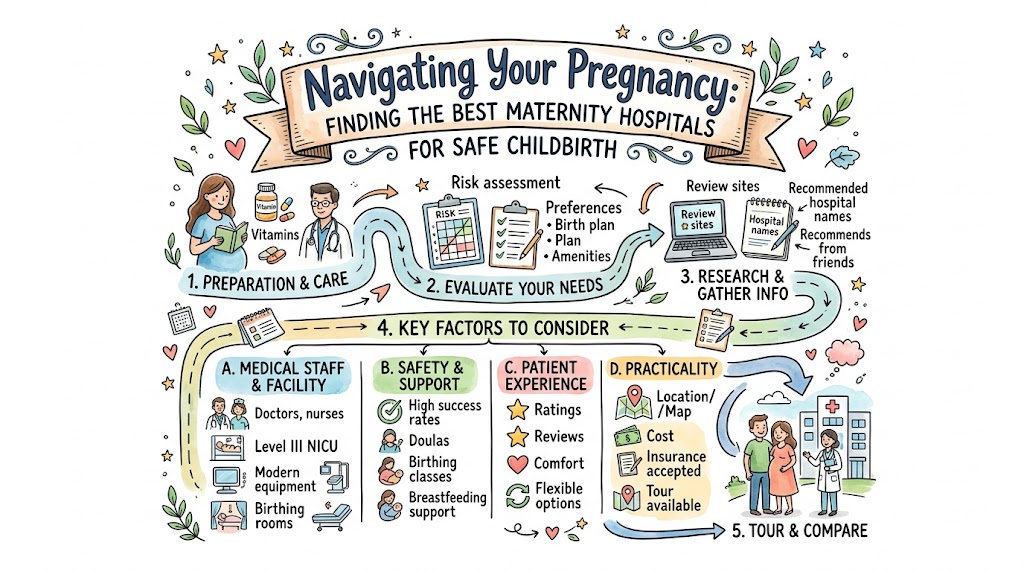
HOW TO CHOOSE THE BEST MATERNITY HOSPITAL
Choosing a hospital is one of the most important decisions you will make during your pregnancy. Here is a checklist to guide you:
- Doctor Expertise: Research the credentials of the obstetricians affiliated with the hospital. You want someone with whom you feel comfortable communicating.
- Infrastructure: Look for modern labor rooms and advanced diagnostic equipment.
- NICU Facilities: Even if you anticipate a healthy pregnancy, having a high-level NICU provides an essential safety net.
- Emergency Protocols: Ask about their experience with high-risk pregnancies and emergency surgical support.
- Hygiene Standards: Cleanliness is a reflection of the hospital’s overall commitment to safety. Trust your instincts during a site visit.
- Accessibility: Choose a location that is easy to reach from your home, especially during the final weeks of pregnancy.
PRENATAL CARE IMPORTANCE
Prenatal care is the foundation of a healthy pregnancy. It is not just about confirming the pregnancy; it is about building a medical history that informs your care plan.
- Regular Checkups: These allow your doctor to track the progress of your pregnancy and catch potential issues early.
- Ultrasounds: Essential for monitoring the baby’s development and identifying the baby’s position before delivery.
- Nutrition Guidance: A balanced diet is critical for fetal growth and the mother’s energy levels.
- Risk Monitoring: Conditions like gestational diabetes or preeclampsia can be managed effectively if they are detected through routine screening.
TYPES OF DELIVERY
Understanding your options can help reduce anxiety about the delivery day.
- Normal Delivery: Often the preferred route due to faster recovery times. Modern hospitals support this with natural birthing techniques and compassionate care.
- Cesarean Section: A surgical procedure that is sometimes required for safety. When performed in a well-equipped hospital, it is a routine and life-saving procedure.
- Painless Delivery: Many modern facilities offer epidural services or other pain management techniques to make the childbirth process more comfortable.
- High-Risk Management: If your pregnancy is considered high-risk, specialized hospitals have the multi-disciplinary teams (including cardiologists or endocrinologists) necessary to manage your specific health needs.
MODERN MATERNITY TECHNOLOGY
Technology has revolutionized childbirth, making it safer than ever before.
- Continuous Fetal Monitoring: This allows doctors to watch the baby’s heart rate in real-time, ensuring they are coping well with labor.
- Digital Health Records: Keeping all your pregnancy data accessible to your entire care team prevents errors and ensures continuity.
- Advanced Labor Rooms: These rooms are designed to provide both comfort and immediate access to advanced medical equipment.
- Emergency Surgical Systems: Modern hospitals utilize advanced anesthesia and surgical tools that minimize recovery time and maximize patient safety.
POSTNATAL CARE
The work doesn’t stop once the baby is born. The “fourth trimester” is a critical time for recovery and bonding.
- Mother’s Recovery: Hospitals now emphasize postpartum checkups to monitor the mother’s physical and emotional healing.
- Baby Care Support: Nursing staff can assist with the first baths, umbilical cord care, and monitoring for jaundice.
- Breastfeeding Guidance: Lactation consultants are often available in top-tier hospitals to help new mothers navigate the challenges of nursing.
- Emotional Health: Recognizing and treating postpartum blues is an essential part of comprehensive maternal care.
COMMON MISTAKES
Avoiding these common pitfalls can significantly improve your pregnancy experience:
- Ignoring Early Symptoms: Always report unusual pain, swelling, or vision changes to your doctor immediately.
- Late Hospital Selection: Waiting until the last month to choose a hospital can lead to unnecessary stress.
- Poor Diet Habits: Nutrition is the primary fuel for your baby’s development; don’t compromise here.
- Skipping Appointments: Every prenatal visit is an opportunity to ensure your baby is on the right track.
- Self-Medication: Never take over-the-counter medicine without consulting your obstetrician.
BENEFITS OF SPECIALIZED MATERNITY HOSPITALS
Why settle for anything less than a specialized facility?
- Reduced Complications: Specialized care leads to lower rates of infection and faster resolution of labor-related issues.
- Expert Medical Guidance: You are surrounded by people who do this every day, meaning they have seen almost every scenario and know exactly how to handle it.
- Faster Recovery: With better support systems, you can focus on healing and bonding with your newborn rather than worrying about clinical concerns.
FAQ (FREQUENTLY ASKED QUESTIONS)
1. When should I start looking for a maternity hospital?
It is best to start your research as soon as you confirm your pregnancy, ideally by the end of the first trimester.
2. Does a normal delivery hurt?
Childbirth is intense, but many hospitals offer pain management options like epidurals or breathing techniques to assist you.
3. What should I look for in a doctor?
Look for someone who listens to your concerns, explains procedures clearly, and makes you feel empowered rather than just like a patient.
4. Is a C-section recovery very long?
While it takes longer than a normal delivery, modern surgical techniques have significantly reduced recovery times.
5. How do I know if I have a high-risk pregnancy?
Your doctor will determine this through your history, blood tests, and ultrasound results.
6. What is the role of a NICU?
The NICU provides specialized care for babies who are born prematurely or have other health conditions that require extra support.
7. Can my partner stay with me during delivery?
Most modern maternity hospitals encourage a support person to be present in the labor room.
8. What should I pack for the hospital?
Your hospital will provide a checklist, but generally include documents, comfortable clothes, and essentials for the baby.
9. How do I choose between a large hospital and a smaller clinic?
A large hospital usually has more intensive care facilities, while a clinic might offer a more personalized, intimate experience. Choose based on your medical risk profile.
10. What if I go into labor early?
Always have a plan in place, including the contact number for your hospital and the fastest route to get there.
FINAL THOUGHTS
Planning for childbirth is one of the most proactive steps you can take for your family. While you cannot predict every detail of your pregnancy, you can certainly choose the environment in which you give birth. By prioritizing safety, seeking expert guidance, and choosing a facility that aligns with your needs, you are setting the stage for a healthy and joyful beginning. Remember, your comfort and safety are the top priorities—never hesitate to ask questions or seek a second opinion.

Find Trusted Cardiac Hospitals
Compare heart hospitals by city and services — all in one place.
Explore Hospitals