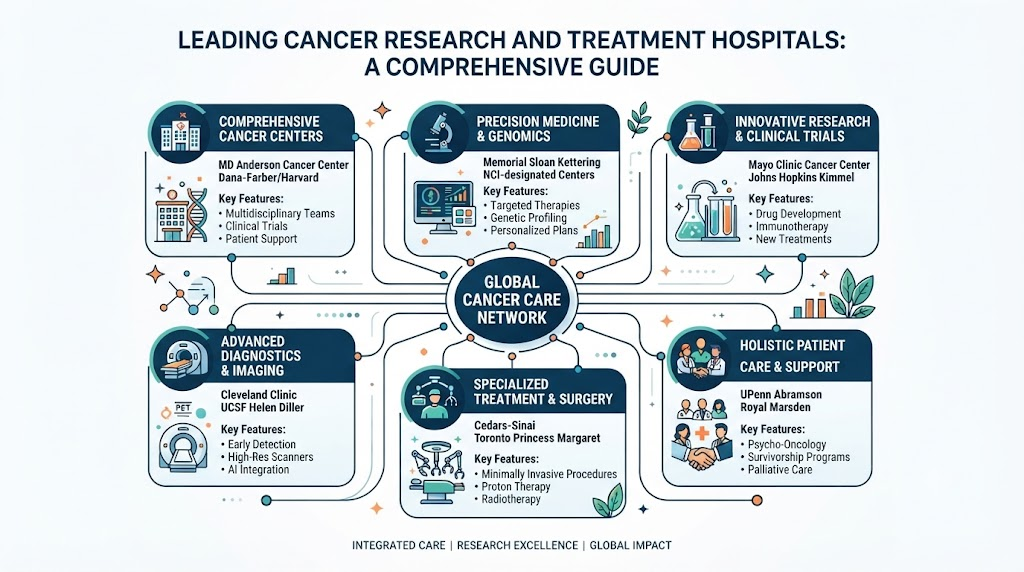
Introduction
Receiving a cancer diagnosis can be an overwhelming experience, making the selection of a healthcare facility one of the most significant decisions a patient and their family will face. The quality of care, access to innovative treatments, and the presence of a multidisciplinary team can profoundly influence the journey ahead.This guide is designed to empower patients and their families by providing clear, evidence-based information about how specialized hospitals operate, what modern cancer care entails, and how to navigate the process of choosing the right facility. For those beginning this journey or seeking to better understand their care options, MyHospitalNow serves as a valuable resource to explore hospitals, compare care approaches, and request detailed treatment information.
Understanding Cancer and Modern Cancer Care
Cancer is a complex group of diseases characterized by the uncontrolled growth and spread of abnormal cells in the body. It develops when the mechanisms that regulate cell division and death are disrupted, often due to genetic mutations or environmental factors.
The Importance of Early Diagnosis
Early detection is a cornerstone of effective oncology care. When cancer is identified at an early stage, it is often more amenable to treatment, which can lead to better outcomes and a broader range of therapeutic options. This is why specialized oncology centers place a high priority on advanced screening and diagnostic technologies.
Why Specialized Oncology Hospitals Matter
Unlike general medical facilities, specialized cancer hospitals are dedicated solely to the study and treatment of oncology. These institutions provide a concentrated environment where healthcare professionals can focus entirely on cancer care, utilizing the most current evidence-based practices to support patient health.
Why Specialized Cancer Hospitals Matter
Choosing a center that specializes in oncology offers several distinct advantages for patients:
- Dedicated Oncology Departments: These hospitals are equipped with specialized infrastructure designed specifically for complex cancer treatments.
- Multidisciplinary Treatment Teams: Experts from different fields—such as surgery, radiation, and medical oncology—work together to review cases and develop cohesive strategies.
- Access to Advanced Diagnostics: Specialized centers house high-end imaging and laboratory equipment that are essential for precise staging and diagnosis.
- Personalized Treatment Planning: Every cancer is unique. Specialized teams utilize molecular profiling to customize therapy rather than relying on a “one-size-fits-all” approach.
- Supportive Care Services: Quality care extends beyond the tumor itself. These hospitals provide psychological, nutritional, and palliative support to improve the patient’s overall quality of life.
Types of Cancer Commonly Treated
Leading oncology hospitals manage a wide spectrum of malignancies. The following table provides a high-level overview of common cancer types and the specialists typically involved in their care.
| Cancer Type | Commonly Affected Area | Typical Specialists |
| Breast Cancer | Breast tissue | Surgical & Medical Oncologist |
| Lung Cancer | Lungs | Thoracic Oncology Team |
| Colorectal Cancer | Colon & Rectum | Gastrointestinal Oncology |
| Blood Cancer | Blood & Bone Marrow | Hematology-Oncology |
| Brain Tumor | Brain & Nervous System | Neuro-Oncology |
Advanced Diagnostic Services
Accurate diagnosis is the foundation of every treatment plan. Modern hospitals utilize a range of diagnostic technologies to determine the exact nature, location, and spread of a malignancy.
Key Diagnostic Technologies
| Diagnostic Test | Purpose | Benefit |
| Biopsy | Confirm cancer diagnosis | Accurate treatment planning |
| PET-CT | Detect cancer spread | Comprehensive staging |
| MRI | Detailed imaging | Soft tissue evaluation |
| Molecular Testing | Analyze tumor characteristics | Personalized treatment |
Beyond these, hospitals also utilize genetic testing and advanced blood investigations to understand the biology of the tumor, which helps in selecting the most effective targeted therapies.
Modern Cancer Treatment Options
Treatment is rarely limited to a single modality. Today’s oncology care typically involves a combination of therapies, often referred to as multimodal therapy.
- Surgery: Used to remove tumors or surrounding tissues.
- Chemotherapy: The use of specialized medications to kill or slow the growth of cancer cells.
- Radiation Therapy: Utilizing high-energy beams to target and destroy cancer cells.
- Immunotherapy: Helping the body’s immune system recognize and fight cancer more effectively.
- Targeted Therapy: Using drugs that target specific proteins or genes that help cancer cells grow.
- Precision Medicine: A modern approach that tailors medical treatment to the individual characteristics of each patient’s tumor.
The Role of Cancer Research in Better Patient Care
Research-driven hospitals are at the forefront of medical advancement. By participating in clinical research, these institutions provide patients with access to emerging therapies before they are widely available. This focus on precision oncology allows for a deeper understanding of cancer at the genetic level, leading to the development of better diagnostic techniques and more effective, less toxic treatment options.
Multidisciplinary Cancer Care Team
Effective cancer care requires a team effort. The multidisciplinary team (MDT) brings together various experts to ensure all aspects of a patient’s health are managed.
| Specialist | Primary Role |
| Medical Oncologist | Medication-based treatment |
| Surgical Oncologist | Cancer surgery |
| Radiation Oncologist | Radiation treatment |
| Oncology Nurse | Patient care coordination |
| Nutritionist | Nutritional support |
This team ensures that the patient’s treatment plan is constantly evaluated and adjusted based on their response and overall well-being.
Advanced Technologies Used in Leading Cancer Hospitals
Technological innovation has transformed the landscape of cancer treatment. Hospitals that invest in these tools can offer higher precision and better outcomes:
- Robotic-Assisted Surgery: Allows for minimally invasive procedures with higher precision and faster recovery times.
- Image-Guided Radiation Therapy (IGRT): Ensures that radiation is delivered accurately to the tumor while minimizing impact on surrounding healthy tissues.
- Artificial Intelligence (AI): Used to analyze complex diagnostic images and assist in pattern recognition for faster, more accurate staging.
How to Choose the Right Cancer Hospital
When evaluating potential treatment centers, consider the following checklist:
- Experienced Oncology Team: Review the qualifications and experience of the specialists.
- Hospital Accreditation: Look for centers that have recognized quality certifications.
- Multidisciplinary Approach: Ensure the hospital has structured tumor boards or multidisciplinary meetings.
- Support Services: Verify the availability of nutritional, psychological, and rehabilitation programs.
Hospital Selection Checklist
| Factor | Why It Matters |
| Experienced Oncology Team | Better coordinated care |
| Advanced Diagnostics | Accurate diagnosis |
| Modern Treatment Technology | Comprehensive treatment options |
| Patient Support Services | Holistic care |
Patient Support Services
Cancer care is a journey that affects a person’s mental, physical, and emotional health. Comprehensive hospitals provide:
- Nutritional Counseling: To manage side effects and maintain strength.
- Pain Management: Specialized services to ensure comfort throughout treatment.
- Psychological Support: Counseling for patients and their families.
- Survivorship Programs: Guidance for the transition back to daily life after active treatment ends.
Questions to Ask Before Choosing a Cancer Hospital
Before committing to a facility, it is helpful to ask:
- What specific treatment options are available for my diagnosis?
- How is the multidisciplinary team structured?
- What is the expected timeline for treatment?
- What supportive care services are integrated into the treatment plan?
- How do you manage potential side effects?
Common Mistakes Patients Should Avoid
- Delaying Diagnosis: Do not ignore persistent symptoms; seek medical evaluation promptly.
- Self-Medicating: Avoid trying unverified alternative therapies without consulting an oncologist.
- Choosing Based Only on Cost: Prioritize quality of care, as expertise and technology significantly influence outcomes.
- Missing Appointments: Consistency in follow-up and treatment schedules is vital for success.
Real-Life Patient Care Scenarios
Consider a scenario where a patient presents with vague symptoms. In a multidisciplinary setting, the patient undergoes rapid diagnostic testing, leading to an early diagnosis of localized cancer. The oncology team meets to design a plan involving a combination of surgery and targeted therapy. Because of the integrated supportive care team, the patient receives nutritional counseling to maintain strength through the process. Years later, through consistent long-term follow-up, the patient remains healthy, demonstrating the power of timely, coordinated care.
FAQs
- What are specialized cancer hospitals?
These are facilities dedicated exclusively to the diagnosis, research, and treatment of various forms of cancer. - Why are cancer research hospitals important?
They provide access to the latest clinical trials and innovative therapies that are often unavailable elsewhere. - How do I choose a cancer hospital?
Evaluate the expertise of the staff, availability of multidisciplinary teams, and access to advanced diagnostic technology. - What treatments are available for cancer?
Common treatments include surgery, chemotherapy, radiation, immunotherapy, and targeted therapy. - What is precision medicine?
It is a personalized approach that uses information about a patient’s genes and the tumor’s biology to guide treatment decisions. - What is immunotherapy?
It is a type of treatment that helps the immune system fight cancer. - Are clinical trials safe?
Clinical trials are strictly regulated and designed to test new treatments safely under the supervision of specialists. - How important is early diagnosis?
Early diagnosis often leads to more effective, less aggressive treatment options. - Do all cancer patients need surgery?
No, treatment plans are highly individualized; surgery may not be necessary for all cases. - How long does cancer treatment take?
This varies significantly based on the cancer type, stage, and the chosen treatment regimen. - What support services do cancer hospitals provide?
Many offer nutritional counseling, psychological support, pain management, and rehabilitation. - What is palliative care?
It is specialized medical care focused on providing relief from the symptoms and stress of a serious illness. - Can patients receive second opinions?
Yes, seeking a second opinion is a common and encouraged practice to ensure confidence in a treatment plan. - How often are follow-up visits needed?
The schedule is determined by your oncologist based on your specific needs and progress. - How can MyHospitalNow help patients explore cancer care options?
MyHospitalNow acts as a platform to research hospitals, understand different care environments, and gather information to aid in your decision-making process.
Final Thoughts
Navigating cancer care requires a focus on quality, expertise, and personalized attention. By choosing a center that emphasizes research-driven treatment and provides a robust multidisciplinary team, you ensure that every aspect of your health is being managed by professionals. Remember that every treatment path is unique, and informed decisions are your greatest asset.We encourage you to prioritize your health by seeking advice from qualified oncologists and conducting thorough research. To assist in your search for reliable healthcare information, hospital comparisons, and details on oncology centers, please explore the resources available at MyHospitalNow.

Find Trusted Cardiac Hospitals
Compare heart hospitals by city and services — all in one place.
Explore Hospitals