Introduction
Maintaining digestive wellness is vital to overall health, impacting how the body processes nutrients, manages energy, and eliminates waste. When conditions affecting the digestive tract require surgical intervention, the choice of healthcare facility plays a profound role in patient safety, recovery timelines, and long-term outcomes. Evaluating the best hospitals for gastrointestinal surgeries requires looking closely at institutional capabilities, clinical experience, and patient support systems.The complexity of the digestive system means that procedures often demand precise coordination among multiple medical disciplines. Advanced facilities equipped with specialized infrastructure help ensure that patients receive accurate diagnoses, meticulous surgical care, and structured postoperative rehabilitation. When researching potential treatment destinations, platforms like MyHospitalNow serve as helpful resources for patients and families seeking to compare healthcare providers, understand treatment pathways, and make informed medical decisions.
What Are Gastrointestinal Surgeries?
Gastrointestinal (GI) surgery encompasses a wide range of operative procedures performed on organs within the digestive tract. This vital system breaks down food, absorbs essential nutrients, and expels waste products.
The primary organs involved in gastrointestinal surgery include:
- The Esophagus: The muscular tube connecting the throat to the stomach.
- The Stomach: The organ responsible for breaking down food using acids and enzymes.
- The Small Intestine: Where the majority of nutrient absorption takes place.
- The Large Intestine (Colon and Rectum): Responsible for processing waste and absorbing water.
- Accessory Organs: The liver, gallbladder, pancreas, and bile ducts, which produce and store digestive juices.
Patients may require gastrointestinal surgery for various medical reasons, ranging from acute emergencies like appendicitis or bowel obstructions to chronic conditions such as inflammatory bowel disease, hernias, and malignancies.
Surgical approaches generally fall into two broad categories: traditional open surgery, which involves a larger single incision, and minimally invasive procedures, which utilize smaller incisions, specialized instruments, and high-definition cameras to reduce physical trauma and accelerate healing.
Common Conditions Treated Through Gastrointestinal Surgery
Gastrointestinal surgery addresses a diverse spectrum of acute and chronic health issues. Understanding these conditions helps patients engage more productively with their healthcare providers.
- Gallbladder Diseases: Conditions such as gallstones or inflammation of the gallbladder (cholecystitis) frequently require surgical removal of the organ, known as a cholecystectomy.
- Hernias: Occur when an internal organ or tissue pushes through a weak spot in muscle or surrounding connective tissue, commonly appearing in the abdominal wall or groin.
- Colorectal Disorders: Encompasses conditions like diverticular disease, severe inflammatory bowel disease (such as Crohn’s disease or ulcerative colitis), and hemorrhoids that do not respond to conservative management.
- Gastrointestinal Cancers: Malignancies affecting the esophagus, stomach, colon, rectum, liver, or pancreas, often requiring complex tumor removal and reconstruction.
- Liver Diseases: Conditions involving liver trauma, benign tumors, or localized cysts that necessitate partial hepatic resection.
- Pancreatic Conditions: Disorders such as chronic pancreatitis, pancreatic pseudocysts, or neuroendocrine tumors that may require specialized surgical intervention.
- Intestinal Problems: Issues such as bowel obstructions, perforations, or ischemic bowel disease requiring immediate surgical correction.
Types of Gastrointestinal Surgery Procedures
| Procedure | Purpose | Benefits |
| Laparoscopic Surgery | Treating conditions through small keyhole incisions using specialized cameras and long-instrument tools. | Reduced postoperative pain, shorter hospital stays, and quicker return to normal activities. |
| Robotic GI Surgery | Performing complex dissections and reconstructions utilizing computer-enhanced robotic console systems. | Enhanced surgical precision, 3D high-definition visualization, and greater range of instrument motion. |
| Colorectal Surgery | Addressing diseases of the colon, rectum, and anus, including benign polyps and malignancies. | Preserves organ function where possible, relieves chronic obstruction, and targets localized disease. |
| Bariatric Surgery | Modifying the digestive tract (e.g., gastric bypass or sleeve gastrectomy) to assist with significant weight management. | Supports long-term metabolic health and improves obesity-related comorbidities like type 2 diabetes. |
| Liver Surgery | Resecting diseased portions of the liver while preserving healthy, functional liver tissue. | Effectively manages localized hepatic tumors and traumatic injuries while supporting regeneration. |
| Pancreatic Surgery | Performing complex resections such as the Whipple procedure for pancreatic tumors or severe inflammation. | Provides therapeutic intervention for challenging pancreatic disorders and localized malignancies. |
What Makes a Hospital Good for Gastrointestinal Surgery?
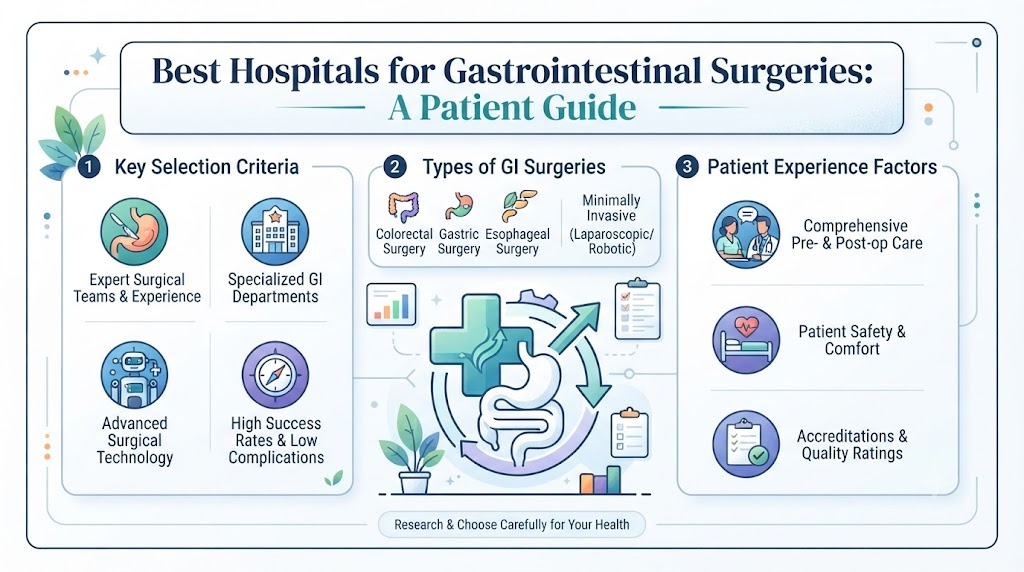
Selecting a high-quality medical facility involves examining several core pillars of healthcare delivery. Facilities recognized as the best hospitals for gastrointestinal surgeries typically demonstrate excellence across multiple operational and clinical domains.
Experienced GI Surgeons
The foundation of successful surgical outcomes lies in the expertise of the surgical team. Key indicators of a qualified GI surgeon include:
- Formal Qualifications: Board certification in general surgery or specialized sub-certifications in colorectal or surgical gastroenterology.
- Surgical Volume: Extensive hands-on experience performing specific, high-complexity digestive tract operations.
- Advanced Training: Fellowship training focused specifically on minimally invasive, robotic, or hepatopancreatobiliary surgery.
Advanced Technology
Modern surgical suites require sophisticated equipment to support precision and safety. Essential technological assets include:
- Laparoscopic Systems: High-definition optical towers and specialized energy devices for precise tissue sealing.
- Robotic Surgical Platforms: Systems that offer tremor filtration and articulation beyond human wrist capabilities.
- Advanced Imaging: Intraoperative ultrasound, fluoroscopy, and diagnostic imaging suites for real-time guidance.
- Modern Operation Theatres: Sterile environments equipped with advanced anesthesia monitoring and integrated emergency resuscitation gear.
Multidisciplinary Care
Gastrointestinal diseases often require input from diverse medical specialists to create holistic treatment plans. A coordinated multidisciplinary team typically features:
- Surgeons: Performing the primary operative interventions.
- Gastroenterologists: Managing medical therapies, endoscopies, and diagnostic evaluations.
- Oncologists: Directing chemotherapy or radiation therapy plans for malignant conditions.
- Radiologists: Interpreting complex cross-sectional imaging and performing image-guided interventions.
- Nutrition Specialists: Designing tailored nutritional support regimens before and after surgery.
How to Choose the Right Gastrointestinal Surgery Hospital
Navigating the hospital selection process can feel overwhelming. Patients and their families can streamline their decision-making by evaluating specific, objective criteria:
- Surgeon Expertise: Research the background, years of practice, and specific procedural volume of the primary operating surgeon.
- Hospital Infrastructure: Ensure the facility maintains dedicated surgical wards, sterile processing departments, and robust infection control protocols.
- Technology Availability: Verify whether the hospital offers advanced minimally invasive and robotic options, which can influence recovery experiences.
- Patient Safety Standards: Look for institutional accreditations, transparent complication rates, and adherence to established surgical safety checklists.
- ICU Support: Confirm the presence of a well-staffed, fully equipped intensive care unit capable of managing high-risk patients.
- Rehabilitation Services: Inquire about physical therapy and dedicated nursing support designed to assist early mobilization.
- Follow-up Care: Review the hospital’s protocols for outpatient monitoring, wound checks, and long-term surveillance.
Hospital Comparison Checklist
| Factor | Why It Matters |
| Specialist Doctors | Ensures accurate diagnosis and expert surgical execution tailored to specific digestive conditions. |
| Surgical Facilities | Guarantees access to sterile, well-equipped operating rooms designed for complex interventions. |
| Diagnostic Services | Provides prompt, high-resolution imaging and laboratory testing required for precise preoperative planning. |
| Emergency Support | Offers immediate intervention capabilities should unexpected complications arise during or after surgery. |
| Patient Reviews | Offers qualitative insights into patient experiences, nursing attentiveness, and overall facility comfort. |
| Recovery Programs | Facilitates structured postoperative pathways that promote early ambulation and minimize complications. |
Preparing for Gastrointestinal Surgery
Thorough preparation helps minimize surgical risks and sets the stage for a smoother recovery. Patients typically undergo several preparatory phases:
- Medical Evaluation: Comprehensive physical examinations to assess general health, cardiac status, and pulmonary function.
- Diagnostic Tests: Blood panels, electrocardiograms, endoscopies, and advanced imaging studies to map out the surgical area.
- Medication Discussion: Reviewing all current prescription drugs, over-the-counter medications, and herbal supplements to identify items that need temporary cessation.
- Diet Preparation: Following specific dietary guidelines provided by the surgical team, which may include clear liquid diets or bowel cleansing protocols prior to lower GI procedures.
- Lifestyle Changes: Smoking cessation and optimizing nutritional intake to strengthen the body prior to the operation.
- Questions to Ask Doctors:
- What specific type of surgical approach is planned?
- What are the expected risks and potential complications?
- How long is the anticipated hospital stay?
- What will the recovery timeline look like following discharge?
Recovery After Gastrointestinal Surgery
Postoperative recovery varies depending on the specific procedure performed, the surgical technique utilized, and the patient’s baseline health. A structured approach helps guide the healing process:
- Hospital Stay: Initial monitoring takes place in a surgical ward or step-down unit, where nurses track vital signs, manage intravenous fluids, and monitor incision sites.
- Pain Management: Multimodal pain control strategies are employed to keep patients comfortable while encouraging deep breathing and movement.
- Diet Changes: Progression from ice chips and clear liquids to soft foods and regular meals as bowel function gradually returns.
- Physical Activity: Early mobilization, including short walks around the hospital room, helps prevent blood clots and stimulates digestive motility.
- Follow-up Appointments: Scheduled visits with the surgeon to evaluate wound healing, remove sutures or staples if necessary, and review pathology reports.
- Long-Term Care: Adhering to permanent dietary modifications, activity restrictions, and scheduled surveillance examinations recommended by the clinical team.
How MyHospitalNow Helps Patients
Finding reliable medical guidance is an essential step in navigating healthcare decisions. Platforms like MyHospitalNow assist patients in multiple practical ways:
- Hospital Discovery: Accessing organized listings of healthcare facilities equipped to handle specialized surgical procedures.
- Doctor Search: Reviewing professional backgrounds and specialties of practicing clinicians.
- Treatment Comparison: Understanding different procedural options and facility capabilities side by side.
- Appointment Assistance: Streamlining the process of connecting with medical offices for consultations.
- Healthcare Guidance: Providing educational resources that empower patients to ask informed questions during medical consultations.
Common Mistakes Patients Should Avoid
Making well-informed healthcare decisions involves recognizing and avoiding common pitfalls:
- Choosing Only by Cost: While financial planning is essential, selecting a hospital solely on the lowest price can compromise surgical quality and safety standards.
- Ignoring Doctor Experience: Overlooking the specific sub-specialty training and procedural volume of the operating surgeon.
- Delaying Treatment: Waiting too long to address chronic digestive symptoms, which can lead to emergency complications or advanced disease states.
- Not Asking Questions: Failing to clarify surgical risks, recovery expectations, or alternative treatment modalities during consultations.
- Missing Follow-ups: Neglecting scheduled postoperative evaluations, which are critical for monitoring long-term healing and catching early complications.
Myths vs Facts Table
| Myth | Fact |
| All GI surgeries require large, painful abdominal incisions. | Many modern gastrointestinal procedures utilize minimally invasive laparoscopic or robotic techniques with small incisions. |
| Recovery from digestive surgery always takes several months. | Recovery timelines vary widely; minimally invasive procedures often allow patients to return to light activities within a few weeks. |
| Dietary restrictions after GI surgery are always permanent. | While some procedures require long-term dietary changes, many patients return to a normal, varied diet after complete healing. |
| General surgeons can perform any complex GI operation equally well. | Complex procedures, such as pancreatic or advanced esophageal resections, often require specialized fellowship-trained surgeons. |
| Preoperative testing is unnecessary if you feel generally healthy. | Comprehensive diagnostic workups are essential for mapping anatomy and identifying hidden risks before anesthesia. |
| Laparoscopic surgery has a higher complication rate than open surgery. | Minimally invasive techniques typically offer comparable or lower rates of wound infection and blood loss when performed by experienced teams. |
FAQs
1.What is gastrointestinal surgery?
Gastrointestinal surgery is a medical specialty involving operations on organs of the digestive tract, including the esophagus, stomach, small intestine, colon, rectum, liver, pancreas, and gallbladder.
2.Which diseases require GI surgery?
Conditions that may require surgical intervention include gallstones, hernias, severe inflammatory bowel disease, diverticular disease, gastrointestinal cancers, and acute obstructions or perforations.
3.How do I choose a GI surgery hospital?
Patients should evaluate hospital accreditation, surgical infrastructure, availability of advanced technology, ICU support, and the experience levels of the attending surgical staff.
4.Is laparoscopic GI surgery safe?
Yes, when performed by trained surgeons in appropriately equipped facilities, laparoscopic surgery is considered a safe and effective approach with benefits like reduced pain and shorter recovery times.
5.What specialists perform GI surgery?
Procedures are primarily performed by general surgeons or specialized sub-specialists such as colorectal surgeons, bariatric surgeons, and hepatopancreatobiliary surgeons.
6.How long is recovery after GI surgery?
Recovery duration depends on the specific operation and surgical approach, ranging from a few days for minor laparoscopic procedures to several weeks or months for complex resections.
7.What is the difference between open and minimally invasive surgery?
Open surgery uses a single large incision to access the abdominal cavity, whereas minimally invasive surgery uses several small keyhole incisions and specialized camera instruments.
8.Why is hospital surgical volume important?
Higher surgical volume often correlates with experienced surgical teams, refined perioperative protocols, and lower rates of complications.
9.What role does multidisciplinary care play in GI surgery?
It ensures that patients benefit from coordinated input across surgery, gastroenterology, oncology, radiology, and nutrition, creating comprehensive treatment plans.
10.How should I prepare for my initial surgical consultation?
Bring a complete medical history, a list of current medications, previous diagnostic imaging reports, and a written list of questions regarding your condition and proposed treatment options.
Final Conclusion
Selecting the appropriate healthcare facility is a critical step for individuals facing digestive health challenges. Evaluating the best hospitals for gastrointestinal surgeries involves careful consideration of surgical expertise, advanced technological infrastructure, and comprehensive multidisciplinary support systems. Prioritizing institutions that emphasize patient safety, structured rehabilitation, and clear communication helps support positive treatment experiences.

Find Trusted Cardiac Hospitals
Compare heart hospitals by city and services — all in one place.
Explore Hospitals