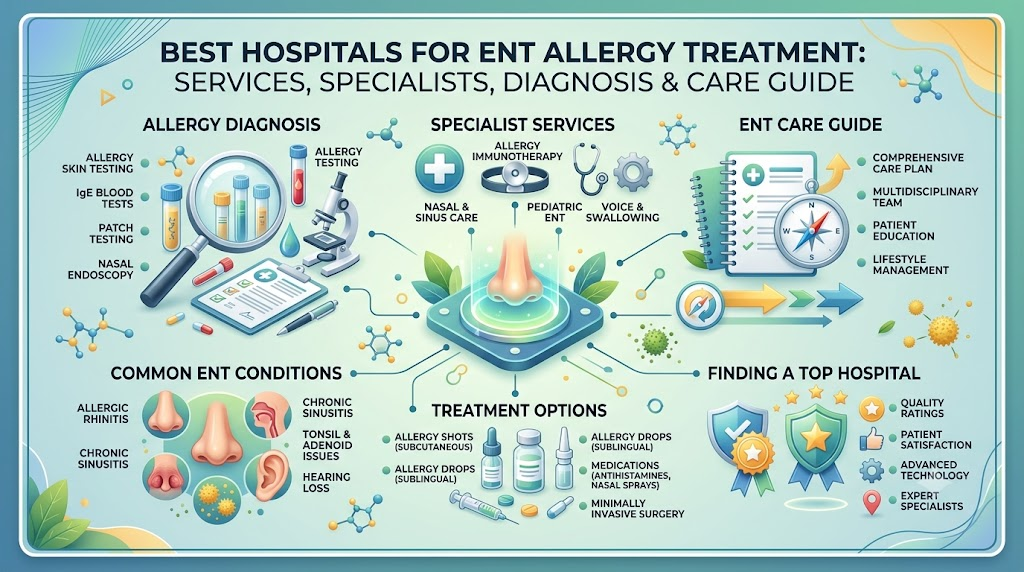
Introduction
Recurring sneezing, persistent nasal congestion, a persistent runny nose, itchy eyes, postnasal drip, sinus discomfort, or sudden breathing-related symptoms can quietly disrupt your daily life, sleep quality, and overall productivity. When these symptoms strike day after day, finding the right source of relief becomes a top priority. However, ear, nose, and throat allergy symptoms can stem from a wide variety of underlying triggers, ranging from seasonal pollen to year-round indoor irritants.Navigating healthcare choices can sometimes feel overwhelming. Platforms like MyHospitalNow help patients discover verified hospitals and experienced doctors, compare care options, request treatment quotes, and navigate complex healthcare decisions with confidence.
What Are ENT Allergies?
Ear, nose, and throat (ENT) allergies occur when your immune system reacts hypersensitively to harmless environmental substances, known as allergens. When these substances enter your respiratory system, your body releases histamines and other chemicals. This immune response triggers inflammation within the delicate mucosal linings of your nasal passages, sinuses, and throat.Furthermore, sinus-related symptoms often develop when swollen nasal tissues trap mucus within your sinus cavities. Because environmental allergens float freely through the air we breathe, the upper respiratory tract bears the brunt of the exposure, making comprehensive ENT allergy care essential for lasting comfort.
Common ENT Allergy Symptoms
Recognizing the distinct patterns of your respiratory discomfort is the first step toward effective relief. ENT allergies manifest through a wide array of physical signs that can mimic other illnesses.
Common symptoms include:
- Frequent and repetitive sneezing spells
- A persistently runny or watery nose
- A blocked, congested, or stuffy nose
- Intense nasal itching
- Itchy, red, or watery eyes
- Annoying postnasal drip sliding down the throat
- Scratchy, irritated throat
- A dry or productive cough
- Facial pressure around the forehead, cheeks, and eyes
- Ear fullness, popping, or muffled hearing
- A reduced or entirely lost sense of smell
- Recurrent nasal congestion that disrupts nighttime sleep
When these symptoms persist for weeks or recur predictably across changing seasons, they warrant a professional clinical evaluation rather than simple self-care measures.
Common Causes and Allergy Triggers
Understanding what sparks your immune system helps you manage your environment more effectively. Allergy triggers vary significantly from person to person, meaning two individuals experiencing identical congestion may react to entirely different substances.
Frequent environmental triggers include:
- Microscopic dust mites thriving in bedding, carpets, and upholstery
- Tree, grass, and weed pollens carried by the wind during specific seasons
- Indoor and outdoor mold spores flourishing in damp areas
- Pet dander, saliva, and skin flakes from cats, dogs, and other furry animals
- Airborne environmental pollutants, smog, and chemical fumes
- Tobacco smoke and strong household cleaning aerosols
- Workplace exposures such as dust, latex, or specific industrial particles
It is important to remember that identifying a trigger requires professional verification. Assuming a specific allergen is the sole culprit without clinical testing can lead to ineffective management strategies.
When Should You See an ENT Specialist?
While mild, occasional sniffles can often be managed with basic over-the-counter measures, certain situations call for the specialized expertise of an ear, nose, and throat professional.
You should consider consulting an ENT specialist if you experience:
- Persistent nasal congestion that does not respond to standard care
- Recurrent sinus symptoms or frequent sinus infections
- Frequent sneezing or nasal irritation that interferes with daily tasks
- Chronic sleep disruption caused by mouth breathing or blocked airways
- Repeated ear pressure, pain, or temporary hearing changes
- A significantly reduced or absent sense of smell over a long period
- Persistent postnasal drip that causes chronic throat clearing
- Recurrent throat irritation without signs of an active bacterial infection
- Symptoms that continually return despite basic avoidance strategies
- Unexplained or prolonged respiratory symptoms impacting your quality of life
Depending on your specific clinical presentation, an allergist, pulmonologist, pediatrician, or primary care physician may also collaborate closely with your ENT specialist to ensure comprehensive care.
How ENT Allergy Problems Are Diagnosed
A thorough and accurate diagnosis forms the cornerstone of any successful management plan. When you visit a specialized facility for allergy diagnosis, the clinical team will systematically investigate your health background and physical presentation.
The diagnostic workflow typically includes:
- Detailed medical history review covering past illnesses and overall health
- In-depth symptom history, including timing, duration, and severity
- Comprehensive allergy and environmental exposure history
- Careful physical examination of the head, neck, and upper airway
- Detailed nasal and throat examination using specialized visualization tools
- Thorough ear examination to assess tympanic membrane mobility and pressure
- Review of previous treatments, medications, and past diagnostic reports
- Targeted allergy testing when clinically indicated by your symptoms
- Additional diagnostic imaging or laboratory testing when clinically necessary
Not every patient requires every test. Your specialist will tailor the diagnostic approach based on your unique clinical profile.
Allergy Testing: What Patients Should Know
Allergy testing helps pinpoint the exact substances provoking your immune system. Medical professionals generally utilize two primary diagnostic modalities to evaluate hypersensitivity.
Common testing approaches include:
- Skin-Prick Testing: Small, diluted amounts of common allergens are introduced just beneath the skin’s surface, usually on the forearm or back, to observe localized reactions.
- Blood-Based Testing: Laboratory assays measure specific immunoglobulin E (IgE) antibodies circulating in your bloodstream in response to targeted allergens.
Interpreting these results requires professional medical expertise. A positive test result indicates that your immune system produces antibodies against a specific substance, but it does not automatically prove that every exposure triggers noticeable symptoms in your daily life. Your specialist will correlate test results directly with your medical history.
ENT Allergy Treatment Options
Managing respiratory allergies requires a multi-layered strategy tailored to your individual health needs. Treatment plans depend heavily on the type of allergy, symptom severity, patient age, medical history, specific allergens involved, coexisting respiratory conditions, and your initial response to therapy.
Common therapeutic approaches include:
- Proactive trigger avoidance and lifestyle modifications
- Enhanced indoor environmental control measures, such as air filtration
- Symptom-management medications prescribed or recommended by clinicians, such as antihistamines or steroid sprays
- Specialized prescription nasal treatments to reduce mucosal inflammation
- Targeted allergy immunotherapy for long-term immune modulation
- Medical management of associated sinus, nasal, or Eustachian tube conditions
- Coordinated care for coexisting respiratory problems like asthma
- Surgical intervention when structural ENT problems, such as severe nasal polyps or a deviated septum, complicate allergy management
Role of Allergy Immunotherapy
When traditional avoidance and medications fail to provide sufficient relief, allergy immunotherapy offers a structured, long-term approach to modifying your immune system’s response.
Immunotherapy involves exposing your body to gradually increasing amounts of specific allergens over an extended period. This process gradually trains your immune system to tolerate those substances rather than reacting violently.
Key considerations for immunotherapy include:
- Administered via allergy shots (subcutaneous immunotherapy) or sublingual tablets/drops under medical supervision
- Requires precise identification of your specific offending allergens through prior testing
- Demands long-term commitment, often spanning several years for lasting results
- Must be managed under the strict supervision of a qualified specialist due to the small risk of adverse immune reactions
Immunotherapy is not appropriate for every patient, and your physician will evaluate whether this approach suits your health profile.
Table 1 – ENT Allergy Evaluation and Treatment
| Care Area | Purpose | Examples | When It May Be Considered |
| Clinical Evaluation | Assess overall health and symptom patterns | Medical history, physical and nasal examination | Initial patient visit for persistent symptoms |
| Allergy Testing | Identify specific immune triggers | Skin-prick tests, specific IgE blood tests | When triggers are unclear or standard care fails |
| Environmental Control | Reduce daily allergen exposure | Air purifiers, dust mite covers, humidity control | As a foundational step for all diagnosed patients |
| Medical Management | Control active inflammation and discomfort | Antihistamines, nasal corticosteroid sprays | During acute flare-ups or seasonal peaks |
| Immunotherapy | Modify long-term immune hypersensitivity | Allergy shots, sublingual allergy treatments | For moderate-to-severe chronic allergies |
| ENT Procedures | Correct structural blockages or chronic disease | Nasal endoscopy, sinus procedures, polyp removal | When anatomical obstructions worsen allergy symptoms |
| Follow-up Care | Monitor treatment efficacy and adjust plans | Periodic clinical reviews, symptom tracking | Throughout the course of ongoing therapy |
What Makes a Hospital Suitable for ENT Allergy Treatment?
When evaluating medical facilities for allergy-related respiratory care, patients should look beyond marketing claims and examine core operational strengths. A suitable hospital environment integrates specialized medical talent with advanced diagnostic and safety infrastructure.
Key factors to review include:
- Qualified ENT Specialists: Board-certified physicians with extensive experience in managing nasal allergies, sinus disorders, and complex upper airway conditions.
- Allergy Evaluation Services: Dedicated clinics offering comprehensive assessment protocols tailored to respiratory sensitivities.
- Diagnostic Facilities: Modern laboratory services, imaging equipment, and nasal endoscopic tools available on-site when clinically required.
- Multidisciplinary Care: Seamless coordination between ENT specialists, allergists, pulmonologists, and pediatricians for complex cases.
- Follow-Up Services: Structured programs designed to monitor symptom control, medication tolerance, and long-term treatment response.
- Emergency Support: Fully equipped emergency departments capable of managing acute allergic reactions or sudden respiratory distress.
- Patient Communication: Clear, compassionate explanations regarding diagnoses, testing procedures, treatment precautions, and follow-up schedules.
ENT Allergy Treatment for Children
Allergies can profoundly impact pediatric populations, affecting school performance, sleep quality, and overall growth. Children often experience unique symptoms that require specialized pediatric ENT expertise.
Pediatric allergy care involves:
- Recognizing signs like chronic mouth breathing, snoring, dark circles under the eyes, and frequent ear infections
- Utilizing age-appropriate evaluation techniques that minimize anxiety and discomfort
- Investigating school and home environments for hidden triggers like classroom mold or stuffed toys
- Assessing sleep and breathing concerns, including enlarged tonsils and adenoids that worsen congestion
- Ensuring active parental and caregiver involvement in daily environmental controls
- Providing structured follow-up care to monitor growth, development, and respiratory health
Pediatric treatment plans focus heavily on safe, non-invasive management strategies tailored specifically to growing bodies.
Chronic Allergies and Recurrent ENT Symptoms
Ignoring persistent respiratory symptoms can lead to chronic inflammation that significantly diminishes your quality of life. Repeated nasal congestion, ongoing postnasal drip, recurrent sinus discomfort, and persistent throat irritation often indicate an underlying condition that requires systematic management.
When symptoms persist for months without relief, they can disrupt sleep architecture, cause chronic fatigue, and aggravate coexisting lower airway conditions like asthma. Repeatedly treating surface symptoms with over-the-counter remedies without understanding the root cause fails to address the full scope of the problem. A comprehensive evaluation helps break this frustrating cycle by establishing a targeted, long-term management strategy.
Allergy, Sinus Problems, and ENT Conditions
It is common for patients to confuse environmental allergies with other structural or infectious ENT conditions, as many share similar physical manifestations.
Understanding the distinctions is vital:
- Allergic Rhinitis: An immune-mediated inflammatory response triggered by airborne allergens, characterized by sneezing, itching, and clear nasal discharge.
- Sinusitis: Inflammation or infection of the sinus cavities, which can be acute or chronic, often causing facial pain, pressure, and thick nasal discharge.
- Nasal Polyps: Noncancerous, painless growths inside the nasal passages or sinuses resulting from chronic inflammation, which can block airflow.
- Deviated Nasal Septum: A structural displacement of the wall between your nasal passages that can cause chronic one-sided nasal blockage.
- Viral Upper Respiratory Infections: Common colds caused by viruses, typically self-limiting and accompanied by body aches and low-grade fever.
Because similar symptoms can stem from entirely different causes, professional clinical assessment ensures you receive the correct treatment approach.
Table 2 – How to Compare ENT Allergy Hospitals
| Hospital Selection Factor | What to Check | Why It Matters |
| ENT Specialists | Board certification and clinical experience | Ensures expert diagnosis of complex upper airway conditions |
| Allergy Testing | Availability of skin and blood diagnostic panels | Crucial for identifying specific, actionable environmental triggers |
| Diagnostic Facilities | On-site endoscopy, imaging, and lab support | Enables rapid, accurate assessment without unnecessary delays |
| Multidisciplinary Care | Collaboration between ENT, allergy, and pulmonology | Provides holistic management for complex or multi-system symptoms |
| Emergency Support | 24/7 emergency readiness and specialized care units | Guarantees patient safety in case of severe allergic reactions |
| Pediatric Services | Child-friendly facilities and pediatric ENT experts | Ensures safe, age-appropriate care for younger family members |
| Follow-Up Care | Structured long-term monitoring programs | Helps track treatment efficacy and adjust therapies over time |
| Accreditation | Recognized national or international quality seals | Reflects adherence to rigorous hospital safety and quality standards |
| Cost Transparency | Clear billing structures and estimate availability | Prevents unexpected financial surprises during your care journey |
| Location/Accessibility | Proximity to home and ease of travel | Facilitates stress-free attendance for recurring appointments |
Cost of ENT Allergy Treatment
Understanding the financial aspects of healthcare planning helps patients prepare adequately for their care journey. The overall cost of ENT allergy treatment can vary widely based on several clinical and administrative factors.
Cost variables typically include:
- Initial and follow-up specialist consultation fees
- Specific diagnostic tests and allergy panel charges
- Imaging studies or specialized nasal endoscopy procedures
- Ongoing prescription medications and specialized nasal sprays
- Long-term immunotherapy administration and serum costs
- Hospital facility fees and procedural overhead
- Geographic location of the medical center
Patients should always request a clear, itemized estimate of expected costs before undergoing extensive diagnostic testing or specialized treatment programs.
Insurance and Payment Considerations
Navigating health insurance coverage requires careful advance preparation to maximize your benefits and minimize out-of-pocket expenses. Coverage rules differ significantly across providers and insurance plans.
Important steps include:
- Verifying whether your chosen specialist and hospital are in-network
- Securing preauthorization for specialized diagnostic tests or procedures
- Confirming coverage specifics for allergy testing panels
- Checking policy terms regarding specialist consultations and follow-up visits
- Reviewing coverage rules for long-term treatments like immunotherapy
- Inquiring about package inclusions and exclusions for procedural care
- Consulting directly with hospital financial counselors and insurance representatives
Proactive communication with your insurance provider prevents unexpected financial burdens and ensures a smooth care experience.
Teleconsultation for ENT Allergy Concerns
Telehealth has transformed how patients access initial medical guidance and ongoing support. Virtual consultations offer a convenient way to discuss respiratory symptoms without traveling immediately to a clinic.
Teleconsultations are particularly useful for:
- Initial discussions regarding chronic sneezing, congestion, or mild sinus discomfort
- Reviewing previous diagnostic test results and allergy history reports
- Conducting structured follow-up consultations to assess treatment progress
- Discussing symptom patterns and environmental control strategies
- Planning subsequent in-person diagnostic steps
However, teleconsultations have clear limitations. A virtual visit cannot replace an in-person physical examination, nasal endoscopy, or skin-prick allergy testing when direct clinical evaluation is necessary.
Warning Signs Requiring Urgent Medical Attention
Emergency Warning: Certain symptoms associated with severe allergic reactions or acute respiratory distress require immediate emergency medical evaluation. Do not wait for a scheduled appointment if you or a loved one experience any of the following warning signs:
- Severe difficulty breathing or shortness of breath
- Rapid swelling of the lips, tongue, mouth, or throat
- Fainting, confusion, or severe dizziness
- Sudden, widespread hives or severe skin flushing
- Uncontrollable wheezing or tightness in the chest
- Any symptoms suggesting an acute, life-threatening allergic reaction (anaphylaxis)
Seek emergency medical care immediately by calling local emergency services or visiting the nearest hospital emergency department if these signs appear.
Common Mistakes Patients Make
Navigating respiratory allergies can be challenging, and well-intentioned patients sometimes fall into common traps that delay proper recovery.
Frequent mistakes include:
- Ignoring persistent symptoms and hoping they will resolve on their own
- Assuming every blocked nose or sinus flare is simply a common cold
- Relying on self-diagnosis rather than seeking professional medical evaluation
- Using over-the-counter decongestant sprays for too long, leading to rebound congestion
- Ignoring indoor and outdoor environmental triggers that worsen inflammation
- Skipping recommended allergy testing or specialist follow-up appointments
- Choosing a healthcare facility based solely on promotional advertising
- Focusing exclusively on upfront treatment price while ignoring care quality
- Expecting every allergy treatment to work identically for every individual
Avoiding these pitfalls ensures a more efficient and successful path toward lasting respiratory relief.
How to Choose the Right Hospital Step by Step
Finding the right medical facility involves a systematic, patient-centered approach. Follow this step-by-step framework to guide your decision:
- Step 1: Identify and document your main respiratory symptoms, including when they occur and how long they last.
- Step 2: Determine whether ENT, allergy, or multidisciplinary care is most appropriate for your clinical needs.
- Step 3: Search for hospitals and medical centers offering comprehensive ENT and allergy services in your area.
- Step 4: Check specialist qualifications, board certifications, and clinical experience in treating upper airway conditions.
- Step 5: Review diagnostic infrastructure and allergy-testing capabilities available at each shortlisted hospital.
- Step 6: Compare available treatment options, ranging from environmental control and medication to immunotherapy and procedures.
- Step 7: Ask about estimated treatment costs and verify your health insurance coverage details.
- Step 8: Consider geographic location, travel accessibility, and the quality of patient communication support.
- Step 9: Schedule an initial professional consultation with your chosen specialist.
- Step 10: Follow your individualized care plan closely and attend all recommended follow-up appointments.
EXACTLY 15 FAQs
1.What are ENT allergies?
ENT allergies are hypersensitive immune reactions to airborne environmental substances that trigger inflammation in your ears, nose, and throat.
2.What symptoms can ENT allergies cause?
They commonly cause sneezing, runny nose, nasal congestion, itching, postnasal drip, sinus pressure, and ear fullness.
3.Which hospitals provide ENT allergy treatment?
Hospitals equipped with specialized ENT departments, diagnostic laboratories, and allergy testing capabilities provide comprehensive care.
4.When should I see an ENT specialist for allergies?
You should consult a specialist when symptoms persist for weeks, disrupt your sleep, or fail to improve with basic measures.
5.Do I need allergy testing?
Testing is recommended when your specific triggers are unclear and targeted management is necessary to achieve relief.
6.What types of allergy tests may be used?
Specialists typically utilize skin-prick testing or specific IgE blood tests to identify offending environmental allergens.
7.Can an ENT specialist treat allergic rhinitis?
Yes, ENT specialists diagnose and manage allergic rhinitis through medications, environmental controls, and advanced therapies.
8.What is the role of an allergist in ENT allergy care?
Allergists collaborate with ENT specialists to evaluate immune hypersensitivity and manage complex immunotherapy protocols.
9.Is allergy immunotherapy suitable for everyone?
Immunotherapy is tailored to specific patient profiles and is generally considered when avoidance and medications are insufficient.
10.Can children receive ENT allergy treatment?
Yes, pediatric ENT specialists provide age-appropriate evaluations and safe management plans for children experiencing chronic allergies.
Conclusion
Selecting a medical facility for ENT allergy treatment involves looking beyond generalized labels and evaluating clinical strengths. Prioritizing qualified specialists, accurate diagnosis, appropriate allergy testing, tailored treatment options, multidisciplinary support, and structured follow-up care ensures you receive safe, effective medical attention. Emergency readiness, cost transparency, and clear patient communication further safeguard your healthcare journey. If you or a loved one suffer from persistent or concerning ENT allergy symptoms, seek professional medical evaluation to take the first step toward lasting relief and better respiratory health.

Find Trusted Cardiac Hospitals
Compare heart hospitals by city and services — all in one place.
Explore Hospitals