Introduction
Navigating concerns related to urinary, kidney, or reproductive health can feel overwhelming, especially when trying to make sense of new symptoms or medical recommendations. Whether you are researching persistent changes in urination, preparing for a diagnostic evaluation, or exploring different approaches to care, having clear and reliable information is an essential first step. Urological health encompasses a wide range of systems and conditions that affect daily comfort and overall well-being. Understanding how healthcare professionals approach these concerns can help you take an active role in your health journey. To explore helpful educational resources and learn more about navigating specialized care, you can visit UrologyHospitals.com. This guide covers common urological conditions, diagnostic steps, available treatment options, and practical ways to evaluate healthcare providers.
Understanding Urological Conditions and Care
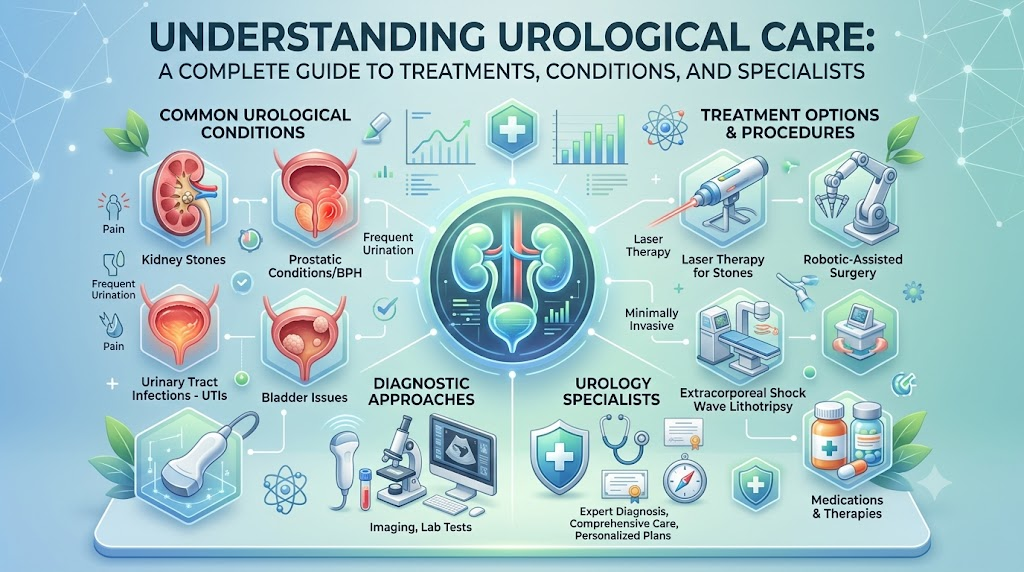
Urological health involves the urinary tract in both men and women, as well as the male reproductive system. The urinary tract includes the kidneys, ureters, bladder, and urethra. Because these organs work closely together to filter waste, store urine, and expel it from the body, an issue in one part of the system can impact overall function.Patients often seek medical evaluation when they experience discomfort, changes in urinary habits, or structural concerns such as kidney stones or enlarged prostates. Understanding the specific components of the urinary system helps clarify why certain diagnostic tests and treatments are recommended by a urologist.
Common Symptoms and Warning Signs
Urological conditions can manifest through a variety of physical signs. Recognizing these symptoms early can prompt timely medical evaluation, which is vital for effective management. Common signs include:
- Changes in urination: This may involve an increased frequency of urination, waking up multiple times during the night, or a sudden, intense urge to urinate.
- Pain or discomfort: Experiencing a burning sensation or discomfort during urination can indicate an underlying infection or inflammation.
- Difficulty with flow: Trouble starting a urine stream, weak flow, or the sensation that the bladder has not emptied completely are common with prostate or urethral conditions.
- Blood in the urine: Also known as hematuria, seeing pink, red, or brownish urine requires prompt medical attention to determine the cause.
- Pelvic or flank pain: Discomfort in the lower abdomen, lower back, or sides can be associated with kidney issues, bladder inflammation, or pelvic floor tension.
It is important to remember that these symptoms can stem from many different causes and should not automatically be interpreted as a specific diagnosis without professional evaluation.
Causes and Risk Factors
A wide range of factors can influence an individual’s likelihood of developing urological conditions. While some factors cannot be changed, others can be managed with the help of a healthcare provider.
- Age: Certain conditions, such as benign prostatic hyperplasia (BPH) or prostate changes, become more common as men age.
- Family history: A genetic predisposition can play a role in conditions like kidney stones or specific urological cancers.
- Lifestyle and diet: Inadequate fluid intake, high sodium consumption, and smoking can increase the risk of developing kidney stones or bladder issues.
- Underlying health conditions: Chronic illnesses such as diabetes or high blood pressure can affect kidney function and urinary health over time.
- Infections: Bacteria or other pathogens can lead to recurrent urinary tract infections if underlying contributing factors are not addressed.
Diagnosis and Medical Tests
When a patient consults a specialist, the diagnostic process begins with a thorough medical history and physical examination. Depending on reported symptoms, a urologist may recommend one or more of the following evaluations:
- Urine tests: Urinalysis and urine cultures help detect infection, blood, or other abnormalities in the urine.
- Blood tests: Assessments such as kidney function panels or Prostate-Specific Antigen (PSA) tests provide valuable clinical context.
- Imaging studies: Ultrasounds, CT scans, or MRIs allow doctors to visualize the kidneys, bladder, and surrounding structures to identify stones, blockages, or abnormal growths.
- Cystoscopy: A procedure where a thin, lighted scope is inserted through the urethra to examine the inside of the bladder and urethra directly.
- Urodynamic testing: Evaluates how well the bladder stores and releases urine.
Not every patient requires all of these tests; the diagnostic plan is tailored to individual symptoms and clinical circumstances.
Overview of Urology Treatment Options
Treatment approaches vary significantly depending on the underlying condition, its severity, and overall patient health. Common categories of care include:
- Observation and active monitoring: In some cases, such as slow-growing conditions or very small stones, doctors may recommend regular check-ups without immediate intervention.
- Lifestyle and dietary adjustments: Increasing fluid intake, modifying diet, or engaging in pelvic floor exercises can help manage mild symptoms.
- Medications: Prescription drugs can relax urinary muscles, reduce prostate size, treat infections, or help manage pain.
- Minimally invasive procedures: Techniques utilizing specialized scopes, lasers, or robotic assistance often allow for effective treatment with shorter recovery times compared to traditional open surgery.
- Surgical intervention: Reserved for complex anatomical issues, severe obstructions, or certain cancers.
Focused Treatment Categories
- Kidney Stone Treatment: Options range from increased hydration and pain management for small stones to Shock Wave Lithotripsy (SWL), ureteroscopy, or surgical removal for larger, complex stones.
- Prostate Cancer Treatment: Depending on the stage and risk category, management may involve active surveillance, surgery, radiation therapy, or hormonal treatments.
- Enlarged Prostate Treatment (BPH): Managed through lifestyle adjustments, medications, minimally invasive thermal or mechanical therapies, or surgical procedures like TURP when symptoms significantly impact daily life.
- Urinary Tract Infection Treatment: Primarily involves targeted antibiotic therapy prescribed after urine testing, alongside guidance on hydration and prevention of recurrence.
- Bladder Cancer Treatment: Treatment depends heavily on stage and grade, potentially including transurethral resection, intravesical therapy, systemic treatments, or surgical removal of the bladder.
- Robotic Urology Surgery: Utilizes computer-enhanced robotic systems to provide high precision during complex procedures such as prostate or kidney surgeries, offering potential benefits like smaller incisions and quicker recovery for appropriate candidates.
Evaluating Urology Hospitals and Specialists
Finding the right care team involves looking at several practical factors to ensure you receive comprehensive support. When researching providers, consider:
- Specialist expertise: Verify that the urologist has experience treating your specific condition.
- Hospital capabilities: Look for facilities equipped with advanced diagnostic imaging, modern surgical suites, and dedicated urology care units.
- Multidisciplinary support: Access to radiologists, oncologists, and specialized nurses ensures coordinated care for complex diagnoses.
- Accessibility and location: Proximity to your home can greatly ease travel requirements for follow-up appointments and ongoing management.
- Clear communication: A supportive care team that listens to your concerns and explains treatment options clearly is vital.
Platforms like UrologyHospitals.com can help patients research and navigate provider information based on location and specific clinical needs.
Comparison of Common Treatment Approaches
| Treatment Approach | Common Use Case | Potential Advantages | Important Considerations |
| Observation & Lifestyle | Mild symptoms or low-risk conditions | Avoids procedural risks; easy to implement | Requires consistent monitoring and follow-up |
| Medication Therapy | BPH, overactive bladder, infections | Non-invasive; can manage symptoms effectively | May require long-term use and potential adjustments |
| Minimally Invasive Procedures | Kidney stones, localized blockages | Smaller incisions; typically faster recovery | Suitability depends on individual anatomy and stone size |
| Surgical Intervention | Advanced or structural conditions | Directly addresses physical obstructions or disease | Involves a recovery period and standard surgical risks |
Practical Examples
Example 1: Experiencing Flank Pain and Suspected Kidney Stones
A 42-year-old individual experiences sudden, sharp pain in the side and back, accompanied by nausea. Recognizing that these symptoms resemble kidney issues, they consult a primary care physician who orders an ultrasound and refers them to a urologist for specialized evaluation regarding potential stone management.
Example 2: Managing Lower Urinary Tract Symptoms
A 60-year-old man notices a weaker urinary stream and frequent nighttime awakenings. Rather than ignoring the changes, he schedules an evaluation with a urologist. Diagnostic tests rule out infection and confirm an enlarged prostate, allowing him to discuss medication and lifestyle adjustments with his doctor.
Decision-Making Framework
- Understand Symptoms: Note when symptoms started, how frequently they occur, and how they impact your daily life.
- Seek Professional Evaluation: Consult a qualified healthcare professional or urologist rather than relying solely on self-diagnosis.
- Review Treatment Options: Discuss all appropriate medical, minimally invasive, or surgical alternatives with your specialist.
- Weigh Benefits and Risks: Evaluate potential outcomes, recovery times, and possible side effects for each option.
- Assess Care Facilities: Research accredited Urology Hospitals and experienced Urology Specialists in your area.
- Plan Follow-Up Care: Consider rehabilitation, ongoing monitoring, and support systems needed during recovery.
- Collaborate on Care: Make an informed, shared decision alongside your clinical team.
Common Mistakes to Avoid
- Ignoring persistent symptoms: Waiting too long to evaluate blood in the urine or chronic pain can delay necessary care.
- Self-diagnosing online: Using internet searches to assign a definitive diagnosis can lead to unnecessary anxiety or incorrect assumptions.
- Stopping antibiotics early: Ceasing prescribed medication prematurely during a urinary tract infection can cause the infection to return.
- Expecting a single universal treatment: Assuming one specific procedure is best for everyone without considering individual health factors.
- Neglecting follow-up appointments: Skipping post-treatment check-ups can prevent your care team from monitoring your long-term recovery effectively.
Key Takeaways
- Seek timely professional evaluation if you experience persistent urinary pain, changes in frequency, or blood in the urine.
- Diagnostic testing helps pinpoint the exact cause of urological symptoms, ensuring appropriate care.
- Treatment plans vary widely based on individual health, ranging from observation and medication to minimally invasive procedures.
- Comparing experienced Urology Specialists and equipped Urology Hospitals aids in finding quality care.
- Preparing targeted questions for your doctor helps facilitate a more productive and collaborative consultation.
Frequently Asked Questions
What does a urologist treat?
A urologist is a medical specialist focused on diseases and conditions of the urinary tract in both men and women, as well as the male reproductive system. They manage issues ranging from kidney stones and urinary tract infections to prostate disorders and urological cancers.
When should someone see a urologist?
You should consider seeing a urologist if you experience persistent urinary symptoms such as blood in the urine, painful urination, frequent infections, difficulty emptying the bladder, or lower back and flank pain referred by your primary physician.
How are kidney stones diagnosed?
Kidney stones are typically diagnosed through a combination of medical history, physical exams, and imaging studies such as a CT scan, ultrasound, or X-ray. Urine and blood tests may also be performed to assess kidney function and check for infection.
What treatments are available for kidney stones?
Treatment depends on stone size and location. Small stones may pass naturally with increased hydration and pain management. Larger or obstructing stones may require medical expulsion therapy, shock wave lithotripsy, ureteroscopy, or other minimally invasive procedures.
What are common treatments for an enlarged prostate?
Management for an enlarged prostate (BPH) can include lifestyle changes, observation, and medications that relax prostate tissue or reduce its size. For more significant symptoms, minimally invasive therapies or surgical options like a TURP may be recommended.
How is prostate cancer treated?
Prostate cancer treatment options depend on the stage, risk level, and overall health of the patient. Approaches range from active surveillance for slow-growing cases to surgery, radiation therapy, and hormonal treatments administered by specialists.
When should urinary symptoms be evaluated?
Any new, persistent, or worsening urinary symptom—especially blood in the urine, severe pain, or sudden inability to urinate—should be evaluated promptly by a qualified healthcare professional to rule out serious underlying conditions.
What is robotic urology surgery?
Robotic urology surgery is a minimally invasive approach where a surgeon utilizes a computer-enhanced robotic system to perform delicate procedures, such as prostate or kidney surgeries, through small incisions with high precision.
How can patients find a suitable Urology Hospital?
Patients can research hospitals by evaluating their specialized urology departments, diagnostic capabilities, surgical expertise, accreditation, and accessibility. Platforms like UrologyHospitals.com can help patients explore and compare provider information.
How can someone find a local urologist?
To find a local specialist, patients can consult their primary care physician for a referral, check their health insurance network directory, and review verified professional credentials and hospital affiliations in their geographic area.
Conclusion
Navigating urological health requires reliable information, careful evaluation, and guidance from qualified professionals. By understanding common conditions, recognizing warning signs, and exploring appropriate treatment options, patients can take informed steps toward better health. Consulting experienced Urology Specialists and utilizing reputable resources such as UrologyHospitals.com can help you evaluate your care options effectively. Always discuss your symptoms and treatment preferences with your healthcare team to develop a personalized care plan tailored to your specific needs.

Find Trusted Cardiac Hospitals
Compare heart hospitals by city and services — all in one place.
Explore Hospitals