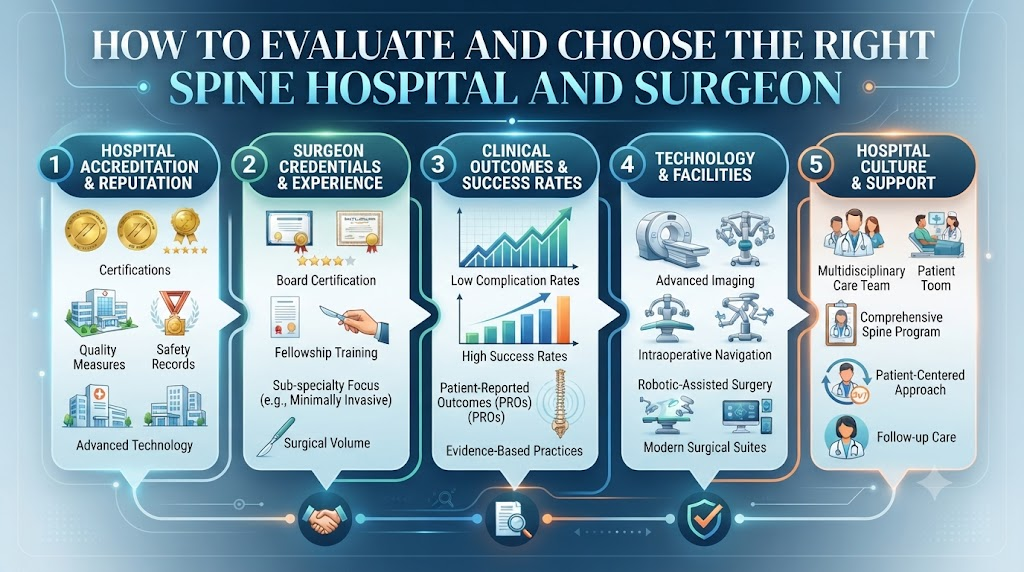
Choosing the right healthcare facility for spinal care is an important decision that can significantly impact a patient’s recovery journey and overall quality of life. Spine problems can range from common, mild back pain to complex spinal conditions that require specialized medical evaluation and advanced interventions. Because different conditions require distinct expertise, patients often need to compare hospitals and specialists carefully before committing to a treatment plan. Understanding surgeon expertise, diagnostic facilities, treatment options, rehabilitation services, and follow-up care helps individuals make informed choices about their health. Professional medical evaluation is always essential before making any major healthcare decisions, ensuring that patients receive accurate diagnoses and appropriate care tailored to their unique circumstances. Researching the best spine hospitals allows individuals to explore various institutional capabilities and find an environment suited to their specific medical needs.
Understanding Spine Care
Spine care encompasses a broad spectrum of medical services designed to diagnose, manage, and treat disorders affecting the spinal column, spinal cord, and surrounding nerves. Many individuals experience back pain or neck pain at some point in their lives, often stemming from everyday strain, minor injuries, or age-related changes. However, persistent symptoms can also indicate more specific underlying conditions such as herniated or slipped discs, spinal stenosis, scoliosis, spinal deformities, degenerative spinal conditions, specific spinal injuries, and nerve-related spinal problems.
Effective spine care typically begins with a thorough medical evaluation and appropriate diagnostic imaging to identify the root cause of discomfort. Depending on the diagnosis, treatment may involve non-surgical approaches such as physical therapy, prescribed medication where clinically appropriate, activity modification, rehabilitation, targeted injections, or surgical intervention when medically recommended. It is important to understand that many spine conditions can be managed successfully without surgery. Treatment always depends heavily on the individual patient’s specific condition, symptoms, diagnostic findings, and the professional assessment of a qualified medical specialist.
What to Look for When Choosing the Best Spine Hospital
When patients begin researching where to seek treatment, comparing institutional qualifications helps clarify which facility can best address a particular condition. Evaluating a facility involves looking at relevant spine specialties, the presence of qualified spine specialists, and the overall experience of the surgical and medical teams. Comprehensive diagnostic facilities and advanced surgical capabilities are vital components of a well-equipped medical center. Furthermore, patients should examine the availability of non-surgical treatment options, structured rehabilitation services, and thorough post-treatment follow-up programs.
Multidisciplinary care, which involves collaboration among neurologists, orthopedists, pain management specialists, and physical therapists, often enhances the quality of care provided. Hospital quality credentials, robust infection-control practices, clear patient communication, and institutional accessibility also matter significantly. While proximity is practical, individuals seeking the best spine hospital must balance convenience with clinical suitability, ensuring the chosen facility possesses the specific expertise required for their diagnosis. No single factor automatically makes a hospital superior; rather, a combination of specialized resources and experienced personnel defines excellence in spine care.
How to Compare the Best Spine Surgery Hospitals
When surgical evaluation becomes part of a patient’s medical journey, comparing institutions with dedicated surgical capabilities is crucial. Evaluating facilities that function as the best spine surgery hospitals involves examining their specific surgical expertise, the range of complex procedures performed, and the qualifications of their surgical staff. Advanced diagnostic capabilities, well-maintained operating facilities, and robust anesthesia support ensure that surgical procedures are performed safely and effectively.
Perioperative care, encompassing careful preoperative evaluation and attentive postoperative monitoring, plays a major role in surgical safety and recovery. Additionally, specialized rehabilitation programs and structured follow-up care help patients transition smoothly from the hospital environment back to daily life. Patient education programs provided by these facilities empower individuals to understand their procedures and recovery milestones. Surgical suitability always depends entirely on the patient’s specific medical condition and professional evaluation, and hospitals should be evaluated based on verified institutional strengths rather than generalized reputations.
How to Choose the Best Hospital for Spine Surgery
Deciding on a facility when surgery has been recommended requires a focused look at clinical competence and specialized resources. Patients and their families may consider relevant surgical experience concerning specific conditions, such as degenerative disc disease, spinal deformity, or acute trauma. The availability of modern surgical techniques, comprehensive diagnostic support, and specialized perioperative care units directly impacts the overall treatment experience.
Effective communication between the medical team, the patient, and supporting family members ensures clarity regarding what to expect before and after the procedure. Access to dedicated rehabilitation services and long-term follow-up care helps sustain surgical gains and promotes optimal healing. Surgery should only be considered after appropriate medical evaluation, a careful discussion of available treatment alternatives, and a thorough understanding of potential risks and benefits. Professional medical guidance remains essential at every stage of this decision-making process.
Finding the Best Spine Hospital Near Me
Geographic location often plays a practical role in healthcare decisions, influencing how easily patients can attend appointments, rehabilitation sessions, and follow-up evaluations. Researching options categorized under the best spine hospital near me helps patients identify local facilities that offer accessible care. Travel distance, transportation availability, and the presence of local family support systems are important logistical factors to keep in mind.
However, the closest medical facility is not automatically the most appropriate choice for every condition, particularly when specialized surgical or diagnostic expertise is required. Patients must weigh convenience against clinical suitability, ensuring that a nearby facility is fully equipped to handle their specific spinal disorder. In some instances, traveling slightly further to reach a more specialized center provides access to the precise expertise needed for a successful treatment outcome.
How to Find the Best Spine Surgeons
Researching medical professionals requires looking closely at their educational background, board certifications, subspecialty training, and professional experience. When searching for the best spine surgeons, patients should examine a specialist’s track record in treating conditions similar to their own, as well as their familiarity with both conservative and surgical management options. Hospital affiliations and standing within the medical community also provide helpful context regarding a surgeon’s professional reputation.
Communication style is another critical consideration. A qualified specialist should take the time to explain diagnoses clearly, discuss various treatment pathways, listen to patient concerns, and answer questions thoroughly. The most appropriate surgeon for an individual depends heavily on the specific spinal condition, the required procedure, geographic considerations, and personal healthcare preferences. Trustworthy medical evaluation relies on objective qualifications rather than unverified rankings.
Understanding Spine Surgery Hospitals and Their Services
Specialized spine surgery hospitals offer dedicated environments tailored specifically to the diagnosis and treatment of complex spinal disorders. Patients visiting these facilities typically encounter comprehensive service lines that cover everything from initial diagnostic imaging and surgical consultations to advanced operations and post-surgical recovery. Structured pain management programs, physical therapy departments, and dedicated postoperative monitoring units work in tandem to support healing.
The availability of these integrated services varies from one institution to another, making it important for patients to understand what specific resources a facility provides. Coordinated multidisciplinary teams within these hospitals ensure that diagnostic findings translate smoothly into cohesive treatment plans, whether those plans involve conservative management or surgical intervention.
Minimally Invasive Spine Surgery
Minimally invasive spine surgery utilizes specialized instruments, advanced imaging techniques, and smaller surgical incisions compared to traditional open procedures. This approach is designed to minimize disruption to surrounding muscles and tissues, which may influence recovery timelines and postoperative discomfort for selected patients. Specialized equipment and high levels of surgical expertise are required to perform these procedures safely and effectively.
While these techniques offer notable advantages in appropriate cases, minimally invasive surgery is not universally suitable for every spinal condition or patient anatomy. Suitability depends strictly on the medical diagnosis, the specific procedure required, the surgeon’s clinical assessment, and individual patient circumstances. A qualified spine specialist determines whether a minimally invasive approach is appropriate based on detailed diagnostic findings rather than generalized assumptions.
Choosing the Best Hospital for Scoliosis Surgery
Scoliosis is a spinal deformity characterized by an abnormal lateral curvature of the spine, and treatment approaches vary widely based on factors such as the patient’s age, symptom severity, spinal curvature angle, disease progression, and overall health. When researching options categorized under the best hospital for scoliosis surgery, patients look for specialized pediatric or adult deformity expertise, advanced diagnostic imaging capabilities, and experienced multidisciplinary surgical teams.
Comprehensive scoliosis care extends beyond the operating room, requiring dedicated rehabilitation services and long-term follow-up to monitor spinal alignment and function over time. Not every scoliosis patient requires surgical intervention; many individuals are managed successfully through observation, physical therapy, or bracing depending on their specific spinal profile. Professional medical evaluation remains essential for determining the most appropriate course of action.
Choosing the Best Hospital for Slipped Disc Treatment
A slipped or herniated disc occurs when the soft cushioning material between spinal vertebrae pushes through a crack in the exterior casing, potentially irritating nearby nerves. Common symptoms include localized back pain or neck pain, radiating discomfort extending into the arms or legs, numbness, tingling, and muscular weakness. Treatment approaches vary based on individual symptoms, neurological findings, and the extent of disc displacement.
Management strategies range from conservative observation, physical therapy, prescribed medication, and targeted epidural injections to surgical decompression or fusion for selected cases. Identifying the best hospital for slipped disc treatment involves finding facilities equipped with comprehensive diagnostic tools, skilled non-surgical spine specialists, and experienced spine surgeons. Surgery is reserved for specific situations where conservative measures fail or where progressive neurological deficits require prompt surgical intervention.
What Makes the Best Spine Treatment Hospitals Different?
Comprehensive spine treatment hospitals distinguish themselves through a balanced integration of diagnostic precision, specialist expertise, and diverse treatment modalities. When evaluating these facilities, patients often consider their ability to provide both non-surgical therapies and advanced surgical interventions under one roof. Access to dedicated pain management specialists, physical therapists, and rehabilitation experts ensures that patients receive continuous, coordinated care throughout their healing process.
Multidisciplinary support allows medical teams to address complex spinal conditions from multiple clinical perspectives, enhancing the accuracy of treatment plans. Patient education initiatives and clear accessibility also contribute to a positive healthcare experience. The true measure of a spine treatment facility lies in its ability to match its institutional capabilities to the specific clinical needs of each individual patient.
How to Prepare for a Spine Consultation
Bring Relevant Medical Records
Preparing thoroughly for a medical consultation helps ensure that the specialist has all necessary information to evaluate a condition accurately. Patients should gather previous imaging studies, including MRI or CT scans and their corresponding written reports, as well as X-ray films. Bringing previous treatment records, medication lists, surgical history notes, and relevant general medical history provides the specialist with a comprehensive clinical background.
Describe Symptoms Clearly
Articulating symptoms clearly assists the medical team in understanding the nature and progression of the problem. Patients should be prepared to discuss when their symptoms started, the exact location of the pain, whether discomfort radiates into the upper or lower extremities, and the presence of any numbness, tingling, or weakness. Mentioning specific activities that worsen or alleviate symptoms, along with details of prior treatments tried, offers valuable context for the evaluating physician.
Prepare Questions
Writing down questions in advance helps patients make the most of their time with a specialist. Inquiries regarding potential diagnoses, recommended diagnostic tests, available treatment options, expected recovery timelines, and potential risks and alternatives ensure a thorough understanding of the proposed medical plan.
Share Relevant Medical History
Disclosing past injuries, previous surgeries, chronic health conditions, and current medications accurately is vital for patient safety and clinical planning. Transparent communication about overall health enables specialists to tailor recommendations safely to the individual’s physical profile.
Ask About Treatment Options
Patients should actively discuss both non-surgical and surgical possibilities with their physician. Understanding the full range of available interventions empowers individuals to participate knowledgeably in decisions regarding their spinal health.
Questions to Ask a Spine Surgeon
- What underlying spinal condition or structural issue is causing my specific symptoms?
- What diagnostic tests or imaging studies are necessary to confirm or clarify the diagnosis?
- What non-surgical treatment options should be explored before considering surgery?
- Is surgery medically appropriate for my condition, or are conservative measures still a viable option?
- What specific surgical procedure is being recommended, and what are the primary goals of the operation?
- What are the potential benefits, risks, and possible complications associated with the recommended procedure?
- Are there alternative surgical techniques or less invasive options available for my specific case?
- What kind of rehabilitation and physical therapy will be required during the recovery period?
- What long-term outcomes and follow-up care schedules should I expect following treatment?
Common Mistakes to Avoid When Choosing a Spine Hospital
Navigating healthcare choices can be challenging, and certain common pitfalls can complicate the journey toward recovery. Avoiding these mistakes helps patients secure appropriate, high-quality care:
- Choosing a hospital solely because it appears prominently in search engine results without verifying its clinical credentials.
- Assuming that the most expensive medical facility is automatically the best choice for a specific spinal condition.
- Selecting a surgeon without checking relevant professional qualifications, subspecialty training, and experience.
- Focusing exclusively on surgical solutions while ignoring valuable non-surgical treatment options.
- Overlooking the vital role of structured rehabilitation and physical therapy in the overall recovery process.
- Relying entirely on unverified online reviews and anecdotal accounts rather than objective medical facts.
- Failing to verify institutional licensing, quality accreditations, and safety records.
- Ignoring practical location factors that impact necessary follow-up visits and rehabilitation appointments.
- Placing trust in guaranteed treatment claims or exaggerated promises of immediate recovery.
- Delaying professional medical evaluation because of confusing information found during online research.
How BestSpineHospitals Can Help Patients Research Their Options
Navigating the vast landscape of healthcare providers can be complex, and having access to organized, structured information simplifies the research process. BestSpineHospitals serves as a helpful digital resource designed to assist patients in researching and comparing spine hospitals, specialized surgeons, available treatments, and specific medical procedures. The platform enables individuals to explore both surgical and non-surgical care options across various medical destinations.
Patients can use the platform to filter and evaluate options based on practical factors such as geographic location, specific treatment needs, specialist availability, and institutional hospital expertise. By providing a centralized space for gathering educational insights about spine care services, the platform helps individuals prepare for informed discussions with qualified medical professionals. The resource remains educational in nature, supporting patients as they navigate their healthcare journey.
The Role of Rehabilitation in Spine Care
Rehabilitation is a cornerstone of comprehensive spine care, playing an essential role in restoring function, reducing pain, and preventing future injury. Structured physical therapy programs focus on improving mobility, strengthening core and supporting musculature, and correcting postural habits that contribute to back and neck discomfort. For patients who undergo surgical procedures, postoperative rehabilitation is carefully tailored to guide safe healing and gradual return to normal activities.
Activity modification and personalized recovery planning help individuals manage their conditions effectively over the long term. Follow-up evaluations with rehabilitation specialists ensure that recovery progresses as expected and that exercises remain appropriate for the patient’s changing physical state. Requirements vary widely depending on the underlying diagnosis and the specific treatment received, and recovery timelines remain unique to every individual.
The Growing Role of Digital Healthcare Research
Digital tools have transformed how patients gather medical information, offering unprecedented access to online hospital directories, digital doctor profiles, and educational resources. Online platforms allow individuals to research spine conditions, read about treatment procedures, and understand what to expect during consultations. Digital appointment systems and remote communication tools further streamline the initial stages of connecting with healthcare providers.
While online research empowers patients to take an active role in understanding their health, digital resources cannot replace physical medical evaluation, diagnostic testing, or professional medical advice. Online information serves best as a starting point to guide meaningful conversations with qualified spine specialists who can provide accurate diagnoses and personalized treatment recommendations.
Frequently Asked Questions About Spine Hospitals and Spine Treatment
1.How Do I Choose the Best Spine Hospital?
Selecting an appropriate healthcare facility involves evaluating specialist expertise, advanced diagnostic capabilities, available treatment options, structured rehabilitation services, and follow-up care. Patients should also consider institutional quality credentials and how well the facility aligns with their individual treatment needs and location preferences.
2.What Should I Look for in the Best Spine Surgeons?
Key factors to examine include board certifications, subspecialty training in spine care, extensive professional experience with similar conditions, a clear communication style, and a balanced approach to recommending both surgical and non-surgical treatments.
3.How Can I Find the Best Spine Hospital Near Me?
Patients can research local healthcare facilities while carefully balancing geographic convenience with clinical suitability. Verifying that a nearby center possesses the necessary specialists, advanced diagnostic tools, and comprehensive follow-up services ensures that proximity does not compromise the quality of care received.
4.When Is Spine Surgery Usually Considered?
Surgery may be considered for selected spinal conditions when clinically appropriate, particularly when conservative treatments have been unsuccessful or when specific neurological deficits, severe structural instability, or progressive deformities require surgical management. Surgery is not appropriate for every patient or every back condition.
5.Is Minimally Invasive Spine Surgery Suitable for Everyone?
Minimally invasive techniques offer distinct advantages for selected conditions, but suitability depends entirely on the patient’s specific diagnosis, spinal anatomy, the required procedure, the surgeon’s clinical assessment, and individual health circumstances.
6.How Do I Choose a Hospital for Scoliosis Treatment?
Researching scoliosis care involves looking for specialized spine-deformity expertise, advanced diagnostic imaging, age-appropriate care programs, comprehensive treatment options, and structured long-term rehabilitation and follow-up services.
7.What Should I Consider When Choosing a Hospital for Slipped Disc Treatment?
Patients should look for facilities that offer thorough diagnostic evaluations, access to conservative non-surgical therapies, skilled specialist expertise, surgical capabilities when required, and dedicated rehabilitation programs to support recovery.
8.Do All Spine Problems Require Surgery?
Many spine conditions can be managed successfully through non-surgical approaches, including physical therapy, medication where clinically appropriate, activity modification, and targeted injections. Treatment decisions depend strictly on the individual condition and professional medical assessment.
9.What Should I Bring to a Spine Consultation?
Patients should bring all relevant medical records, previous imaging studies including MRI or CT scan reports and X-ray films, a list of current medications, details of previous treatments tried, and a clear, detailed description of their symptoms.
10.Can BestSpineHospitals Help Me Research Spine Hospitals and Surgeons?
BestSpineHospitals provides an informative platform that helps patients research and compare spine hospitals, qualified surgeons, treatment options, and specialized care services based on location, specialist availability, and individual treatment needs.
Conclusion
Choosing the right spine care requires careful research, thoughtful evaluation, and a clear understanding of personal health needs. Different spinal conditions demand distinct medical specialists, and evaluating hospital expertise, diagnostic facilities, and available treatment options is essential for positive health outcomes. Spine surgeon qualifications, structured rehabilitation programs, and comprehensive follow-up care should never be overlooked during the decision-making process. While location and accessibility influence practical healthcare choices, clinical suitability remains paramount. Minimally invasive procedures and surgical interventions may be appropriate for selected patients, but they are not universally required or suitable for every condition. Scoliosis and slipped disc treatments must always be guided by professional medical evaluation rather than generalized assumptions. Online research serves as a valuable tool to help patients compare options, but it should always complement, rather than replace, direct medical consultation. Exploring resources such as BestSpineHospitals can assist individuals in researching and comparing spine hospitals and spine specialists to find appropriate care tailored to their unique medical requirements.

Find Trusted Cardiac Hospitals
Compare heart hospitals by city and services — all in one place.
Explore Hospitals