Introduction
The global landscape of healthcare is currently facing a significant challenge: the rising prevalence of diabetes. As a chronic metabolic condition, diabetes requires more than just occasional medical intervention; it demands a structured, proactive, and multidisciplinary approach to prevent long-term complications. Managing blood glucose levels effectively is not merely about medication—it is about integrating lifestyle modifications, expert monitoring, and advanced clinical technology.Choosing the right facility can be an overwhelming task, which is why MyHospitalNow provides resources to help patients navigate these complex healthcare decisions. By prioritizing specialized centers, patients gain access to comprehensive care models that address not only the immediate symptoms of diabetes but also the systemic impact of the disease on the heart, kidneys, and eyes.
Why Specialized Diabetes Hospitals Matter
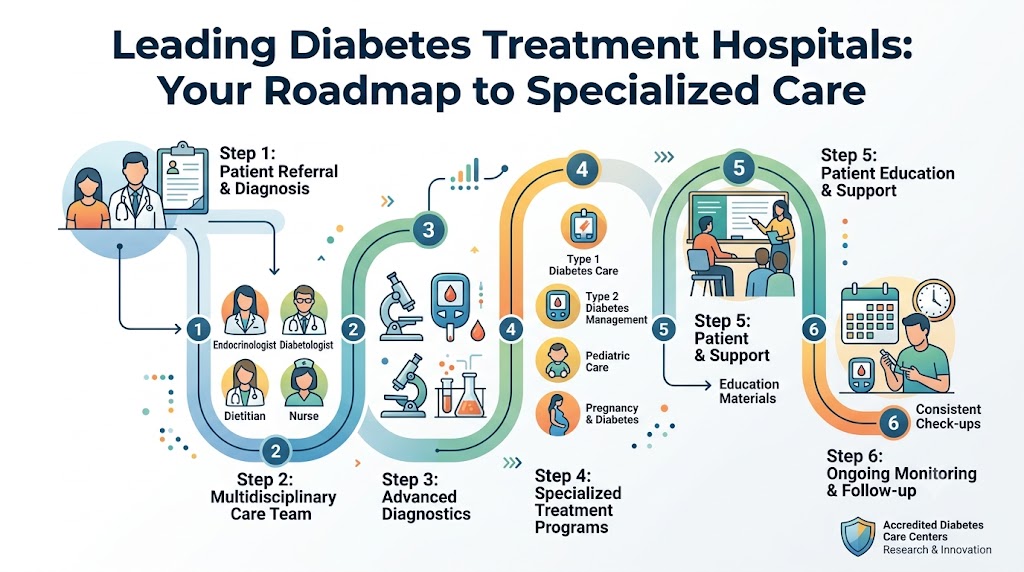
Specialized hospitals differ significantly from general healthcare facilities in their focus and depth of resource allocation. When you enter a facility dedicated to diabetes management, you are entering an ecosystem designed specifically for chronic metabolic support.
Endocrinology Expertise
These hospitals house high-volume departments led by board-certified endocrinologists. These specialists have deep experience in managing complex cases, including brittle diabetes, insulin resistance, and pediatric diabetes. Their expertise ensures that treatment is evidence-based and adjusted to the latest medical standards.
Diabetes Complications Management
Diabetes is a systemic disease. Specialized centers typically host a network of sub-specialists, including nephrologists, cardiologists, ophthalmologists, and podiatrists, all working under one roof. This allows for seamless referrals and coordinated management of complications like diabetic retinopathy or kidney disease.
Personalized Treatment Plans
General medicine often relies on standard protocols. Specialized diabetes hospitals, however, utilize personalized medicine. By analyzing a patient’s unique physiological markers, genetics, and lifestyle, clinical teams create tailored protocols that improve glycemic control while minimizing side effects.
Long-Term Monitoring
Chronic disease requires a marathon approach, not a sprint. These hospitals excel at long-term tracking, offering robust digital health platforms and follow-up programs that ensure patients stay on the right path, reducing the risk of emergency hospitalizations.
How to Choose the Right Diabetes Hospital
Selecting a facility requires careful consideration of several key factors. Use this table as a checklist for your search.
| Factor | Why It Matters |
| Experienced Endocrinologists | They provide the foundational clinical strategy for your care. |
| Advanced Diagnostics | Precise testing is necessary for accurate diagnosis and monitoring. |
| Emergency Care Support | Immediate access to care is vital during hypo- or hyperglycemic crises. |
| Technology and Facilities | Access to pumps and sensors improves daily life and control. |
| Patient Education Programs | Knowledge empowers patients to manage the disease independently. |
Top Diabetes Hospitals for Specialized Care
1. The Metropolitan Institute of Endocrinology
- Overview: A global leader in endocrine research and clinical delivery.
- Key Specialties: Adult and pediatric endocrinology, metabolism.
- Diabetes Services Offered: Insulin initiation, pump therapy, and metabolic surgery.
- Technologies and Facilities: Smart-pump calibration labs and AI-driven glucose monitoring centers.
- Patient Benefits: Comprehensive care coordination and high success rates in A1C reduction.
2. The City Specialized Metabolic Center
- Overview: Focuses on intensive, patient-centric education and lifestyle integration.
- Key Specialties: Nutritional therapy, exercise physiology, and endocrinology.
- Diabetes Services Offered: Intensive diabetes management programs and group support sessions.
- Technologies and Facilities: In-house nutrition kitchens and gait-analysis labs for foot health.
- Patient Benefits: Improved patient literacy and long-term lifestyle sustainability.
3. The University Diabetes Referral Hospital
- Overview: A facility that blends academic research with frontline patient care.
- Key Specialties: Diabetic nephropathy and cardiovascular-metabolic health.
- Diabetes Services Offered: Clinical trials, complex insulin management, and specialized wound care.
- Technologies and Facilities: Advanced diagnostic imaging and molecular diabetes testing.
- Patient Benefits: Access to the latest medical innovations and research-backed treatments.
Comparison Table: Leading Specialized Centers
| Hospital | Location | Major Specialty | Highlights |
| Metropolitan Institute | Urban Hub | Endocrinology | High-tech insulin delivery |
| City Metabolic Center | Suburban | Lifestyle Medicine | Patient education focus |
| University Hospital | Medical Campus | Complications | Research and trials |
Advanced Diabetes Treatments Available
Modern diabetes care has evolved far beyond basic insulin injections. Specialized centers now utilize a variety of advanced tools to normalize blood glucose:
- Insulin Pump Therapy: Automated systems that deliver continuous, precise doses of insulin to mimic a healthy pancreas.
- Continuous Glucose Monitoring (CGM): Wearable sensors that provide real-time data, allowing for immediate lifestyle adjustments.
- Lifestyle Counseling: Programs led by certified diabetes educators to optimize diet and physical activity.
- Nutrition Management: Customized meal planning based on metabolic needs rather than generic guidelines.
- Diabetic Foot Care: Specialized wound care teams that prevent infections and amputations.
- Kidney Complication Management: Early-stage screening and nephrology support to preserve kidney function.
Benefits of Receiving Care at Specialized Hospitals
Patients who receive care at centers specializing in diabetes often experience a significantly improved quality of life. The primary benefit is the reduction of acute complications. Because the medical teams are specialized, they are highly skilled at identifying “red flags” before they become life-threatening emergencies. Furthermore, the collaborative environment ensures that if a patient develops cardiovascular or renal issues, the transition between specialists is rapid and frictionless.
Common Diabetes Complications
Understanding the risks is the first step toward prevention. When diabetes is left unmanaged, the following complications become major concerns:
- Heart Disease: Prolonged high blood sugar damages blood vessels, increasing the risk of hypertension and heart attack.
- Kidney Disease: The kidneys are sensitive filters; excessive glucose forces them to work overtime, leading to potential failure.
- Eye Problems: Diabetic retinopathy can damage retinal blood vessels, potentially leading to vision loss.
- Nerve Damage (Neuropathy): High glucose levels can damage peripheral nerves, typically beginning in the feet.
- Foot Complications: Poor circulation and nerve damage make feet vulnerable to infections that are difficult to heal.
Tips for Diabetes Patients
- Build a Relationship: Stay with the same endocrinologist to ensure they understand your unique medical history.
- Track Your Data: Use digital logs or mobile apps to keep a record of your blood sugar readings to share during visits.
- Engage in Education: Attend hospital-sponsored workshops to learn the latest dietary and exercise strategies.
- Stay Active: Incorporate movement into your daily routine, as muscle activity naturally improves insulin sensitivity.
- Prioritize Follow-ups: Never miss a scheduled screening for eyes, kidneys, or feet.
Common Mistakes Patients Make
Many patients struggle with the complexities of the disease. Avoiding these common errors is essential:
- Delaying Treatment: Assuming symptoms are temporary can lead to irreversible damage.
- Ignoring Subtle Symptoms: Fatigue or minor vision changes are often warning signs that should be addressed immediately.
- Skipping Follow-ups: Consistency is the key to preventing the “slow-burn” complications of diabetes.
- Self-Medication: Adjusting insulin dosages without consulting a specialist can lead to dangerous hypoglycemic events.
- Poor Lifestyle Habits: Relying solely on medication while ignoring diet and exercise limits the effectiveness of the treatment.
Future of Diabetes Care
The future of diabetes management is incredibly promising, with technology leading the way:
- AI-Assisted Monitoring: Algorithms that predict blood sugar spikes before they happen based on historical data.
- Remote Consultations: Telehealth platforms allowing endocrinologists to review CGM data from across the globe.
- Wearable Devices: Smaller, more comfortable sensors that provide 24/7 metabolic insight.
- Personalized Medicine: Genetic testing to determine which insulin or medication type will work best for a specific individual.
Frequently Asked Questions
1. How do I find the best diabetes hospitals near me?
Search for hospitals that have a dedicated “Endocrinology and Diabetes Department” rather than just a general medicine ward.
2. When is it time to see a specialist for diabetes?
If you are struggling to maintain your target A1C, experiencing complications, or are newly diagnosed and feeling overwhelmed, you should seek a specialist.
3. What are the most serious diabetes complications?
Heart disease, kidney failure, and nerve damage are among the most serious, but they are highly manageable with early intervention.
4. Can specialized care reverse diabetes?
While type 1 diabetes cannot be reversed, many patients with type 2 diabetes achieve remission through intensive lifestyle changes and clinical support.
5. How often should I visit a diabetes specialist?
This depends on your control levels, but generally, every 3 to 6 months is standard.
6. Do I need a referral to see an endocrinologist?
Most specialized hospitals require a referral from your primary care physician.
7. Are insulin pumps necessary for everyone?
No, they are most beneficial for those who require precise control or have difficulty managing blood sugar with injections.
8. How do I know if my diabetes care is effective?
Effectiveness is measured through consistent A1C readings, steady weight, and an absence of complications.
9. Can lifestyle changes replace medication?
In some cases of early-stage type 2 diabetes, yes, but this must be overseen by a medical professional.
10. What is the cost difference for specialized care?
Specialized care may have higher upfront costs, but it often reduces long-term expenses by preventing hospitalizations and severe complications.
Final Thoughts
Managing diabetes is a significant responsibility, but you do not have to do it alone. By choosing a facility that specializes in diabetes care, you gain access to the clinical expertise, advanced technology, and multidisciplinary teams necessary to live a full and healthy life. Prioritizing specialized care is an investment in your future well-being. If you are beginning your search for the right facility, visit MyHospitalNow to explore high-quality care options tailored to your specific needs.

Find Trusted Cardiac Hospitals
Compare heart hospitals by city and services — all in one place.
Explore Hospitals