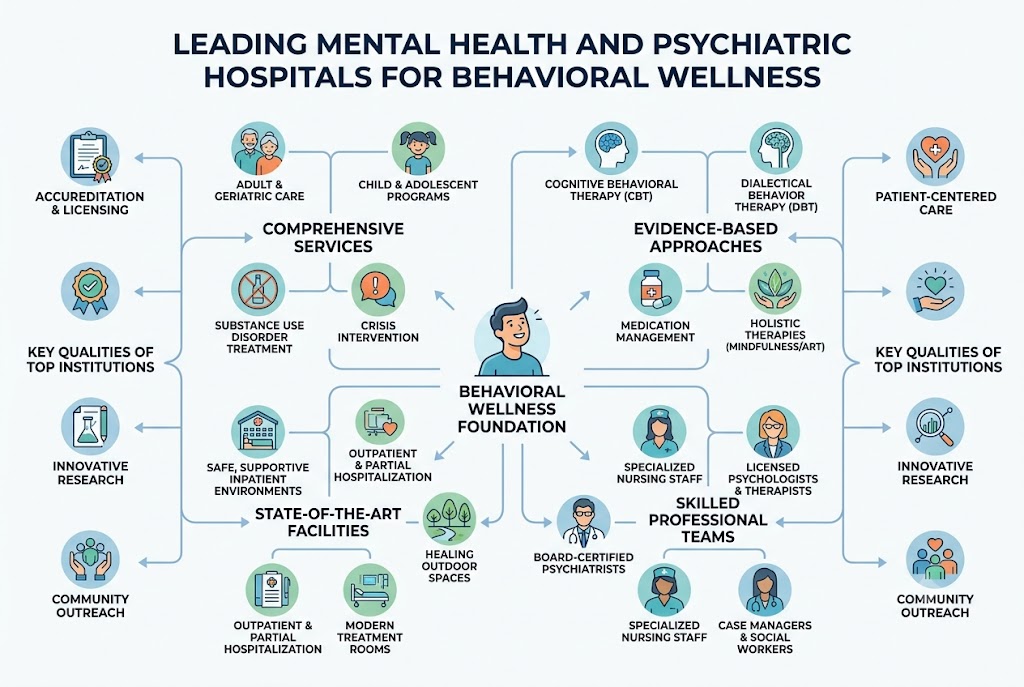
Introduction
Mental health shapes every aspect of how humans think, feel, and interact with the world. Over the last decade, global awareness surrounding emotional and psychological wellness has grown significantly. More people now recognize that psychological struggles require the same level of attention, medical expertise, and clinical empathy as physical illnesses. Seeking professional psychiatric care is not a sign of weakness; it is a vital step toward reclaiming stability, safety, and a balanced life.This comprehensive guide is designed to simplify that journey. It offers transparent insights into clinical methodologies, specialized treatment settings, and top-rated institutional resources. Readers will gain a clear understanding of the difference between various care levels, how behavioral institutions function, and how to evaluate clinical options effectively. To explore structured medical directories and access reliable healthcare insights, visit MyHospitalNow to connect with vital medical resources.
Understanding Mental Health and Psychiatric Care
Mental health encompasses emotional, psychological, and social well-being, directly influencing stress management, decision-making, and interpersonal relationships. When clinical imbalances occur, they alter thought patterns, mood regulation, and daily functionality. Understanding the mechanics of psychiatric care is the first step toward finding effective, long-term stabilization.
+-----------------------------------------------------------------+
|                    LEVELS OF CLINICAL CARE                      |
+-----------------------------------------------------------------+
|  [Early Intervention]  -->  [Outpatient]  -->  [Inpatient]     |
|   Therapy & Education        Therapy & MD       24/7 Stabilization|
+-----------------------------------------------------------------+
A common point of confusion for families is the distinction between psychological and psychiatric professionals. Psychologists hold doctoral degrees in psychology (PhD or PsyD) and focus primarily on talk therapy, behavioral assessments, and cognitive rehabilitation. Psychiatrists are licensed medical doctors (MD or DO) who specialize in the biological and chemical aspects of mental health. They can prescribe medications, order lab work, and manage complex physiological interactions underlying behavioral conditions.
Early clinical intervention plays a pivotal role in preventing acute crises. Just as early management of high blood pressure prevents cardiac complications, timely mental health intervention keeps manageable symptoms from evolving into deep structural disruptions. Addressing shifts in sleep, mood, or cognitive focus early preserves personal relationships, career stability, and overall physical health.
When conditions require structured stabilization, specialized hospitals offer a safe, controlled environment. These institutions bridge the gap between independent living and intensive clinical care, providing multi-disciplinary teams capable of handling severe, acute, or treatment-resistant behavioral disorders that cannot be managed safely through weekly outpatient visits alone.
Why Specialized Psychiatric Hospitals Matter
Specialized psychiatric hospitals provide a level of dedicated care that general medical wards rarely duplicate. These facilities are designed from the ground up to support emotional and neurological recovery. They combine environmental safety with highly focused medical expertise to treat severe behavioral conditions.
- Expert Multi-disciplinary Teams: Patients benefit from the simultaneous care of psychiatrists, psychiatric nurses, licensed clinical social workers, recreational therapists, and nutritional experts working under one roof.
- Comprehensive Continuum of Care: These institutions offer fluid transitions between intensive inpatient containment, partial hospitalization programs (PHP), intensive outpatient programs (IOP), and routine outpatient follow-ups.
- Acute Crisis Intervention: They provide dedicated, 24/7 psychiatric emergency services equipped to handle acute psychosis, severe suicidal ideation, and behavioral de-escalation safely and humanely.
- Structured Longitudinal Planning: Discharge planning begins at admission, ensuring patients leave with robust, realistic blueprints for therapy, medication management, community support, and relapse prevention.
Quick Comparison Table
| Hospital Name | Location | Psychiatric Specialties | Therapy Services | Emergency Support | Patient Programs |
| McLean Hospital | Belmont, MA | Depression, Borderline Personality, OCD | CBT, DBT, Psychodynamic | 24/7 Triage | Inpatient, PHP, Residential |
| Menninger Clinic | Houston, TX | Treatment-Resistant Disorders, Addictions | Psychodynamic, CBT, Family | Admissions Crisis | Inpatient, Young Adult, Assessment |
| Sheppard Pratt | Baltimore, MD | Psychosis, Eating Disorders, Autism | CBT, Group, Art Therapy | Psychiatric ER | Inpatient, Day Hospital, Schools |
| Stewart-Marchman-Act | Daytona Beach, FL | Substance Use, Mood Disorders | Trauma Therapy, Group | Crisis Stabilization | Inpatient, Outpatient, Detox |
| Rogers Behavioral Health | Oconomowoc, WI | OCD, Anxiety, Eating Disorders | Intensive ERP, CBT | Urgent Assessment | Residential, PHP, IOP |
Best Mental Health & Psychiatric Hospitals
McLean Hospital
Hospital Overview
Affiliated with Harvard Medical School, McLean Hospital is a world-renowned leader in psychiatric care, research, and clinical training. Located on a serene campus, it provides a peaceful environment conducive to deep psychological healing and stabilization.
Psychiatry Department
The department features internationally recognized clinicians and researchers utilizing cutting-edge neuroscience. Their work blends clinical warmth with evidence-based diagnostics to deliver highly individualized patient care.
Conditions Treated
- Major Depressive Disorder and Treatment-Resistant Depression
- Obsessive-Compulsive Disorder (OCD)
- Borderline Personality Disorder (BPD)
- Bipolar Disorder and Trauma-Related Syndromes
Therapy and Counseling Services
McLean offers specialized Dialectical Behavior Therapy (DBT), Cognitive Behavioral Therapy (CBT), and Acceptance and Commitment Therapy (ACT). Sessions are delivered through individual, group, and family formats.
Inpatient and Outpatient Programs
The facility provides short-term acute inpatient stabilization, dedicated residential programs for adults and adolescents, partial hospitalization, and long-term outpatient psychiatric management.
Why Patients Choose This Hospital
Patients select McLean for its unparalleled clinical reputation, access to groundbreaking clinical trials, and a high staff-to-patient ratio that ensures personalized attention.
Major Strengths
- World-class expertise in DBT and personality disorders
- Integration of neuroscientific research into daily clinical practice
- Tranquil, healing environment designed to lower stress levels
The Menninger Clinic
Hospital Overview
Based in Houston, Texas, The Menninger Clinic is celebrated for its comprehensive diagnostic assessments and specialized treatment of complex, multi-system psychiatric conditions that have failed to respond to traditional care models.
Psychiatry Department
Menninger’s psychiatric team utilizes a biopsychosocial model, examining the biological, psychological, and social factors affecting an individual’s mental health to create a complete picture of their needs.
Conditions Treated
- Complex, treatment-resistant depression
- Co-occurring substance use and psychiatric disorders
- Severe anxiety and panic syndromes
- Personality tracking and adjustment challenges
Therapy and Counseling Services
The clinic emphasizes psychodynamic therapy, mentalization-based treatment, intensive family systems therapy, and modern somatic therapies.
Inpatient and Outpatient Programs
Menninger specializes in extended-stay inpatient rehabilitation, comprehensive multi-week diagnostic assessments, intensive outpatient tracks, and specialized programs for corporate executives and young adults.
Why Patients Choose This Hospital
Individuals choose Menninger when looking for answers after multiple unsuccessful treatment attempts elsewhere, relying on the clinic’s deep diagnostic accuracy.
Major Strengths
- Unmatched depth in comprehensive psychiatric diagnostics
- Strong focus on family integration and systemic healing
- High rates of long-term stabilization for complex cases
Sheppard Pratt
Hospital Overview
As one of the largest non-profit mental health systems in the United States, Sheppard Pratt delivers an extensive network of behavioral health services, making specialized psychiatric care highly accessible.
Psychiatry Department
The department spans multiple dedicated pavilions, combining historic institutional knowledge with modern psychopharmacological and therapeutic techniques.
Conditions Treated
- Schizophrenia and related psychotic spectrum disorders
- Severe eating disorders (Anorexia, Bulimia)
- Autism spectrum disorders with behavioral challenges
- Geriatric and pediatric psychiatric crises
Therapy and Counseling Services
Services include trauma-informed therapies, group-based cognitive therapies, occupational therapy, and expressive arts counseling tailored to diverse cognitive profiles.
Inpatient and Outpatient Programs
The hospital operates specialized acute inpatient units, dedicated psychiatric urgent care centers, day hospital programs, residential treatment centers, and specialized therapeutic schools.
Why Patients Choose This Hospital
Families choose Sheppard Pratt for its vast network of specialized sub-units, ensuring patients are matched with peers facing identical clinical challenges.
Major Strengths
- Dedicated psychiatric urgent care centers that bypass traditional emergency rooms
- Highly specialized units for eating disorders and psychotic spectrum care
- Vast community support and post-discharge network inclusion
SMA Healthcare (Stewart-Marchman-Act)
Hospital Overview
Focusing heavily on accessible community integration and crisis response, SMA Healthcare provides vital behavioral health and addiction stabilization services across regional networks.
Psychiatry Department
The clinical team emphasizes community psychiatry, crisis de-escalation, and integrated care models that treat substance dependency and psychiatric conditions concurrently.
Conditions Treated
- Bipolar disorder with acute manic episodes
- Substance-induced psychosis and severe chemical dependence
- Generalized Anxiety Disorder and panic disruptions
- Acute suicidal ideation and emotional crises
Therapy and Counseling Services
SMA provides trauma-focused cognitive behavioral therapy, relapse prevention training, motivational interviewing, and peer-led support counseling.
Inpatient and Outpatient Programs
The facility runs dedicated crisis stabilization units (CSU), residential detoxification programs, long-term outpatient counseling, and community-based case management.
Why Patients Choose This Hospital
Patients look to SMA for immediate, accessible crisis care and seamless pathways connecting medical detox to long-term psychiatric sobriety.
Major Strengths
- Rapid-response crisis stabilization units
- Excellent integration of mental health and substance recovery models
- Deeply rooted community resources and affordable care paths
Rogers Behavioral Health
Hospital Overview
Rogers Behavioral Health is a premier provider of highly structured behavioral therapies, utilizing an evidence-based approach to treat obsessive-compulsive and anxiety disorders.
Psychiatry Department
The psychiatric medical staff focuses heavily on objective clinical outcomes, utilizing intensive behavioral protocols supported by careful medication management.
Conditions Treated
- Severe Obsessive-Compulsive Disorder (OCD)
- Post-Traumatic Stress Disorder (PTSD)
- Body dysmorphic and severe eating disorders
- Adolescent depression and school refusal syndrome
Therapy and Counseling Services
Rogers is an industry leader in Exposure and Response Prevention (ERP), Cognitive Behavioral Therapy (CBT), and Dialectical Behavior Therapy (DBT).
Inpatient and Outpatient Programs
The system offers specialized residential care, highly structured partial hospitalization programs (PHP) meeting five days a week, and intensive outpatient programs (IOP).
Why Patients Choose This Hospital
Patients travel nationally to Rogers for their world-renowned, highly intensive ERP programs for treatment-resistant OCD.
Major Strengths
- Rigorous, high-fidelity implementation of Exposure and Response Prevention (ERP)
- Data-driven tracking of patient symptom reduction
- Specialized age-specific treatment tracks from children to adults
Common Mental Health Conditions Treated
Modern psychiatric hospitals are equipped to address a wide range of psychological and neurological conditions. Understanding these disorders helps de-stigmatize the treatment process.
+-----------------------------------------------------------------------+
|                 COMMON DISORDERS & CLINICAL FOCUS                     |
+-----------------------------------------------------------------------+
|  [Depression] ---------> Mood Regulation & Cognitive Re-framing       |
|  [Anxiety & OCD] ------> De-escalation & Exposure Protocols           |
|  [Bipolar/Psychosis] --> Neurological & Medication Stabilization      |
|  [PTSD/Trauma] --------> Somatic Processing & Safe Integration        |
+-----------------------------------------------------------------------+
Depression
Clinical depression goes far beyond passing sadness. It is a persistent neurochemical state that drains an individual’s energy, disrupts sleep, alters appetite, and removes the capacity to experience pleasure. Psychiatric hospitals provide intensive therapeutic environments and advanced medication strategies to help individuals experiencing severe major depressive episodes or treatment-resistant depression.
Anxiety Disorders
Anxiety disorders, including panic disorder and generalized anxiety, trigger a constant state of fight-or-flight within the nervous system. This causes persistent worry, physical exhaustion, and avoidance behaviors that disrupt daily life. Hospital programs help patients regulate their nervous systems, identify cognitive distortions, and regain control over their lives.
Bipolar Disorder
Characterized by significant shifts in energy, activity levels, and mood, bipolar disorder involves cycles of intense mania and deep depression. During manic phases, individuals may experience racing thoughts and impaired judgment, while depressive phases can bring profound exhaustion. Specialized psychiatric care focuses on stabilizing these cycles through targeted medication and routines.
Post-Traumatic Stress Disorder (PTSD)
PTSD can develop after experiencing or witnessing deeply distressing events. It manifests as vivid flashbacks, hypervigilance, severe nightmares, and emotional numbness. Trauma-informed hospital programs provide safe, structured settings where patients can process traumatic memories without re-traumatizing the nervous system.
Obsessive-Compulsive Disorder (OCD)
OCD involves distressing, intrusive thoughts (obsessions) that drive repetitive actions (compulsions) performed to reduce anxiety. This cycle can consume hours each day. Specialized hospital programs use intensive behavioral therapies to help patients break these patterns and tolerate distress without relying on compulsive rituals.
Schizophrenia
Schizophrenia is a chronic neurological condition that affects how a person thinks, feels, and perceives reality. It can cause auditory or visual hallucinations, delusions, disorganized speech, and cognitive challenges. Inpatient psychiatric teams focus on finding effective medication plans, developing life skills, and building community support systems to help individuals manage their symptoms successfully.
Treatment Approaches Used by Psychiatric Hospitals
Psychiatric hospitals combine several evidence-based treatment methods to support each patient’s recovery journey. Rather than relying on a single approach, care teams build personalized plans that address both brain chemistry and behavioral patterns.
- Cognitive Behavioral Therapy (CBT): A structured approach that helps patients identify and change unhelpful thought patterns and behaviors, replacing them with healthier coping mechanisms.
- Medication Management: Careful, ongoing evaluation and adjustment of psychiatric medications by medical doctors to ensure optimal symptom control with minimal side effects.
- Group Therapy: Clinically guided sessions that allow patients to share experiences, practice communication skills, and build mutual support with peers facing similar challenges.
- Family Counseling: Sessions designed to heal communication gaps, educate loved ones about the condition, and establish a supportive home environment for long-term recovery.
- Rehabilitation Programs: Holistic activities including art therapy, occupational training, mindfulness practices, and physical movement designed to rebuild daily functioning and confidence.
Mental Health Services Table
| Service Type | Purpose | Benefit |
| Individual Therapy | One-on-one sessions with a licensed professional | Deeply personalized care tailored to personal history |
| Group Therapy | Facilitated peer group discussions | Breaks isolation and builds real-world relational skills |
| Medication Management | Physician-led tracking of biochemical treatments | Maximizes symptom control while reducing side effects |
| Family Counseling | Structural sessions involving primary support systems | Educates families and prevents relapse home triggers |
| Rehabilitation Programs | Holistic lifestyle and functional re-entry planning | Restores independent living skills and daily structure |
How to Choose the Right Mental Health Hospital
Selecting a psychiatric hospital is a significant decision that should be guided by specific clinical and practical factors.
Psychiatrist Experience and Sub-Specialties
Ensure the medical staff includes board-certified psychiatrists who specialize in your specific condition. A hospital with dedicated sub-specialists in OCD, eating disorders, or geriatric psychiatry will offer more targeted, effective treatments than a generalized facility.
Therapy Availability and Modalities
Look for facilities that offer evidence-based therapeutic modalities such as DBT, CBT, or specialized trauma therapies. The frequency of individual therapy sessions, along with structured group options, is an important indicator of program intensity.
Emergency and Crisis Services
A high-quality psychiatric hospital should feature dedicated, 24/7 assessment services or a specialized psychiatric emergency room. This ensures immediate medical evaluation and safe stabilization during acute crises, bypassing general medical emergency rooms.
Insurance Support and Financial Counseling
Navigating insurance coverage for mental health can be challenging. Choose hospitals that maintain clear relationships with major insurance providers and offer dedicated financial counselors to help manage authorizations and minimize out-of-pocket costs.
Confidentiality, Privacy, and Reputation
Patient privacy is vital in mental health care. Evaluate facilities based on their adherence to strict confidentiality protocols, physical security measures, and long-standing reputation within the healthcare community.
Benefits of Professional Mental Health Treatment
Entering a professional treatment program offers structured support that goes far beyond solitary recovery efforts.
“Professional psychiatric care provides the tools, medical guidance, and community support needed to turn overwhelming mental health challenges into a manageable, structured path toward long-term stability.”
With proper clinical support, patients learn to identify early warning signs of symptom flare-ups, allowing them to use coping strategies before a crisis develops. This proactive management significantly reduces the need for emergency hospital visits. As symptoms stabilize, individuals often experience improvements in sleep quality, physical health, and concentration, helping them re-engage with their careers, education, and passions.
Inpatient and residential programs provide a safe environment free from daily stressors, allowing individuals to focus entirely on their recovery. This focused time helps patients build practical coping strategies, boundary-setting skills, and emotional regulation techniques that support long-term wellness and help maintain stable, healthy relationships with family and peers.
Common Mistakes People Make
- Delaying Clinical Treatment: Waiting for an emotional crisis to peak before seeking professional help often makes the recovery process longer and more complex.
- Ignoring Subtle Warning Signs: Dismissing changes in sleep, persistent irritability, or social withdrawal as temporary stress rather than addressing potential underlying issues.
- Avoiding Therapy Formats: Refusing group therapy or family sessions due to discomfort, missing out on valuable peer support and systemic healing.
- Relying Solely on Self-Diagnosis: Using internet articles to diagnose complex psychiatric conditions, which can lead to inappropriate self-treatment or unnecessary worry.
- Stopping Treatment Early: Discontinuing medications or skipping therapy sessions as soon as symptoms begin to improve, which can trigger a return of symptoms.
Real-Life Patient Scenarios
Scenario 1: Overcoming Deep Depression and Rebuilding Routine
An individual experiencing severe major depressive disorder found themselves unable to leave their bed, maintain personal hygiene, or perform basic work responsibilities. After a family intervention, they entered a two-week inpatient stabilization program, followed by a four-week partial hospitalization program.
Through carefully balanced medication management and intensive Cognitive Behavioral Therapy (CBT), the individual learned to identify and reframe negative thought patterns. They left the program with a structured daily routine, reliable coping mechanisms, and an outpatient plan that allowed them to successfully return to work and reconnect with family life.
Scenario 2: Managing Complex Panic and Agoraphobia
A young adult developed severe panic disorder that eventually led to agoraphobia, making them completely afraid to leave their home. Recognizing the need for specialized support, they enrolled in a residential behavioral program specializing in anxiety disorders.
Using Exposure and Response Prevention (ERP) therapy, clinicians helped the individual step-by-step to tolerate anxiety in public settings without experiencing panic. This gradual approach lowered their overall anxiety levels, giving them the confidence to return to school and navigate daily life comfortably.
Future of Mental Healthcare
The field of psychiatry is evolving rapidly, combining new technological developments with clinical insights to make care more accessible and personalized.
+-----------------------------------------------------------------+
|                  FUTURE OF PSYCHIATRIC CARE                     |
+-----------------------------------------------------------------+
|  [Telepsychiatry] ------> Access anywhere, breaking barriers     |
|  [AI Monitoring] --------> Early detection of mood shifts        |
|  [Digital Therapeutics] -> Apps supporting daily coping skills   |
|  [Personalized Meds] ----> Genetic tailoring for optimal care    |
+-----------------------------------------------------------------+
Telepsychiatry has expanded access to care, allowing individuals to consult with psychiatrists and therapists from home. This is especially valuable for those living in rural areas or dealing with mobility challenges, ensuring consistent support without the need for travel.
Artificial intelligence and digital health tools are also beginning to support daily care. Smartphone applications can track changes in sleep and activity patterns, alerting clinicians to early signs of mood shifts. These digital tools provide ongoing support between appointments, helping patients practice therapeutic exercises in real time.
Additionally, treatment plans are becoming more personalized through advances like pharmacogenomic testing. By analyzing how a person’s genetics affect their response to medications, psychiatrists can choose more effective treatments sooner, reducing the trial-and-error process often associated with psychiatric care.
FAQs (Frequently Asked Questions)
1.What is a psychiatric hospital?
A psychiatric hospital is a specialized medical facility dedicated entirely to diagnosing, treating, and rehabilitating individuals with acute or chronic mental health and behavioral disorders.
2.When should someone seek acute mental health treatment?
Treatment should be sought when psychological symptoms significantly disrupt daily functioning, cause severe distress, or place the individual or others at risk of harm.
3.What disorders do psychiatric hospitals treat?
They treat a wide range of conditions, including major depression, anxiety disorders, bipolar disorder, schizophrenia, PTSD, OCD, and co-occurring substance use disorders.
4.Is therapy in a psychiatric hospital confidential?
Yes, all psychiatric treatments are strictly confidential and protected by healthcare privacy laws, meaning no information can be shared without explicit patient consent except in immediate safety emergencies.
5.What is the primary difference between a psychiatrist and a psychologist?
A psychiatrist is a medical doctor who can prescribe medications and manage biological treatments, whereas a psychologist focuses on talk therapy and behavioral testing.
6.Can anxiety and depression be treated effectively together?
Yes, because anxiety and depression often share underlying neurological pathways, they are commonly treated together using combined therapy and medication plans.
7.What is inpatient psychiatric care?
Inpatient care involves staying overnight at a hospital to receive round-the-clock medical supervision, therapy, and stabilization during an acute mental health crisis.
8.How long does a typical hospital stay last?
The length of stay varies based on individual needs, with acute inpatient stabilization often lasting from a few days to two weeks, while residential care may extend for several weeks.
9.Do psychiatric hospitals accept health insurance?
Most psychiatric hospitals accept a variety of private health insurance plans, Medicare, and Medicaid, though specific coverage depends on the facility and your policy.
10.What is a partial hospitalization program (PHP)?
A PHP is a intensive day program where patients receive several hours of therapy and medical care during the day but return home each evening.
11.Can family members visit patients during treatment?
Yes, most hospitals encourage family involvement through scheduled visiting hours and dedicated family therapy sessions, provided it aligns with the patient’s recovery goals.
12.What happens during an initial psychiatric assessment?
A clinician reviews your medical history, current symptoms, and lifestyle factors to recommend an appropriate level of care and design an initial treatment plan.
13.What are digital therapeutics?
Digital therapeutics are validated software applications and mobile tools designed to help patients practice coping skills and track symptoms between therapy sessions.
14.Is medication always required during psychiatric treatment?
No, medication is recommended based on individual clinical needs. Some patients benefit from therapy alone, while others achieve the best results through a combination of therapy and medication.
15.How can I find a verified psychiatric care facility near me?
You can search reliable online medical directories, consult your primary care physician, or use verified healthcare platforms to find reputable care options in your area.
Final Thoughts
Prioritizing mental health is a vital part of protecting overall well-being and quality of life. Psychological conditions respond well to medical and therapeutic care, and seeking professional support can help prevent minor challenges from developing into severe disruptions. Early intervention helps individuals stabilize their symptoms, build strong coping strategies, and maintain fulfilling personal and professional lives.With the guidance of experienced psychiatrists, therapists, and dedicated healthcare teams, long-term emotional balance is entirely achievable. Taking that first step toward care is an important act of self-advocacy that opens the door to a healthier, more stable future. To learn more about behavioral health options and connect with trusted healthcare resources, explore the available tools at MyHospitalNow.

Find Trusted Cardiac Hospitals
Compare heart hospitals by city and services — all in one place.
Explore Hospitals