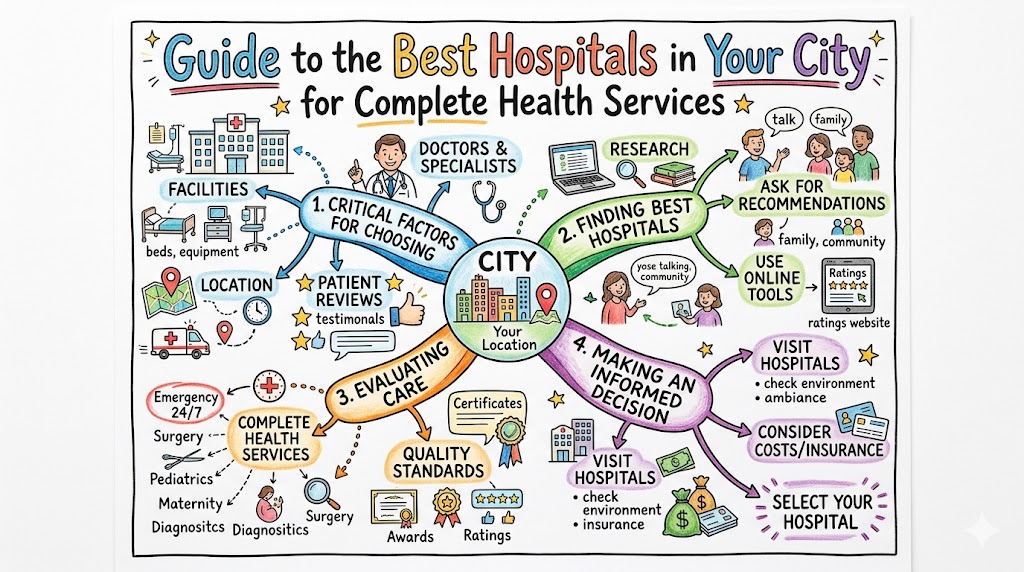
When a medical emergency strikes or a chronic health condition requires expert attention, even a few minutes of delay can change a patient’s life forever. Finding a trusted medical facility is often stressful, especially when navigating fragmented clinic networks, long waiting lines, and uncoordinated emergency responses. Modern patients need immediate, reliable healthcare access to ensure that their loved ones receive rapid, high-quality, and empathetic medical treatment without administrative headaches.This extensive operational guide provides a complete overview of what is required to manage and access exceptional medical care. We will break down how modern medical centers coordinate complex departments, explore the core principles of high-quality hospital operations, and look at the cutting-edge technologies making medical care more efficient. Whether you are a patient looking for the best local care or a professional exploring healthcare management, this blueprint covers everything you need to know. To discover localized medical services and find top-rated healthcare providers near you, visit MyHospitalNow to access the ultimate digital hospital directory.
The Evolution of Modern Healthcare Access
Early Healthcare Challenges
Traditionally, seeking medical treatment was a deeply fragmented and frustrating experience for patients. Before connected digital frameworks emerged, individuals faced a severe lack of centralized information regarding doctor availability, hospital bed capacity, and specialized clinical services. This disconnected setup meant that patients often had to travel from one clinic to another just to find a specialist.
Furthermore, widespread lack of public awareness regarding hospital specialities frequently caused severe emergency response delays. Ambulances would arrive at nearby basic clinics that lacked intensive care units (ICUs) or advanced surgical suites, forcing emergency transfers while critical time slipped away.
Moving Toward Connected Healthcare Systems
The advent of digital healthcare transformation completely changed how patients engage with medical facilities. Online healthcare discovery platforms stepped in to bridge the massive gap between desperate patients and complex medical systems, allowing individuals to instantly check clinical specialities, verify open trauma beds, and schedule diagnostic scans.
These connected patient services have eliminated guesswork by compiling verifiable data from thousands of medical providers into a unified digital landscape. Patients no longer need to rely purely on word-of-mouth recommendations during a medical crisis. Instead, they can comfortably use digital tools to locate the exact clinical expertise they require, bringing transparent, immediate coordination to the local healthcare ecosystem.
Expansion Across Modern Healthcare Ecosystems
Over the last few years, advanced healthcare technology has systematically transformed medical centers, local clinics, emergency response systems, and regional patient accessibility on a global scale. This rapid expansion replaces slow, paper-backed filing systems with lightning-fast electronic health networks.
Today, a patient’s critical data moves seamlessly ahead of them, traveling instantly from a suburban primary care clinic directly to an urban multi-speciality hospital’s emergency department. This massive digital expansion ensures that no matter where a patient enters the healthcare network, they are backed by the collective intelligence and resources of an entire interconnected medical framework.
Defining Comprehensive Healthcare Services
Core Structure of Modern Hospitals
Large medical centers operate like highly complex, self-contained cities where hundreds of moving parts must coordinate perfectly every second. The core structure relies on dividing duties into specialized clinical departments, including internal medicine, cardiology, oncology, pediatrics, and emergency trauma care. These distinct departments are tightly bound together by centralized supporting networks like advanced radiology labs, automated blood banks, and inpatient pharmacies. Managing this intricate web requires strong operational leadership to ensure that clinical materials, medical records, and patients move smoothly between departments without facing dangerous operational bottlenecks.
Daily Responsibilities Inside Hospitals
Every single day, hospital operations teams tackle a massive wave of logistical and clinical coordination challenges. The morning begins with detailed capacity forecasting, balancing open ICU beds against scheduled inpatient surgeries. Administrative teams manage continuous patient registration, verify complex medical insurance coverages, coordinate nurse shift rotations, and ensure that sterile surgical instruments are delivered to operating rooms on time. At the exact same time, clinical coordination teams manage delicate patient transfers, guide consulting physicians through busy wards, and oversee safe patient discharge procedures. This constant, structured juggling act keeps medical care moving efficiently around the clock.
Local Clinic Services vs. Multi-Speciality Hospital Ecosystems
Understanding the major differences between standalone local clinics and expansive multi-speciality hospital ecosystems helps families make smart choices during health emergencies:
- Local Clinics: These neighborhood facilities serve as the initial point of contact for routine health needs, offering basic consultations, preventative health checkups, minor wound dressings, and chronic disease monitoring. They feature lower overhead costs and provide highly personalized care, but they lack advanced imaging equipment and overnight inpatient beds.
- Multi-Speciality Hospitals: These massive, integrated ecosystems are designed to handle complex, acute, and multi-organ medical crises. They house specialized intensive care units, advanced trauma suites, neonatal care setups, and comprehensive diagnostic labs under one roof. They operate non-stop and have the medical machinery required to perform intricate surgeries and advanced therapeutic procedures at a moment’s notice.
The Patient-Centered Healthcare Mindset
Modern hospital administration has shifted sharply away from rigid, inward-focused bureaucratic systems toward a compassionate, patient-centered healthcare delivery mindset. This means hospital success is no longer measured solely by the raw number of surgical cases handled or beds filled. Instead, modern medical centers prioritize the holistic patient experience, evaluating success through clear indicators like clear discharge communication, minimal waiting room times, empathetic nursing care, and post-treatment recovery support. By placing the patient’s comfort and emotional peace of mind at the center of all operations, hospitals achieve significantly better long-term clinical recovery outcomes.
The 7 Core Principles of Comprehensive Health Care
1. Patient Safety & Risk Reduction
Patient safety forms the foundation of any elite medical facility. Hospitals maintain this principle by using strict infection control protocols, automated medication barcode scanning, and multi-step identity verification checks prior to any medical procedure. Furthermore, emergency readiness protocols ensure that back-up power generators, supplementary oxygen reserves, and crash carts are fully operational, guaranteeing zero patient risk during unexpected facility blackouts or natural disasters.
2. Quality Healthcare Standards
Top-tier medical institutions systematically benchmark their care against rigorous, universally recognized clinical guidelines. These measurable quality standards require clinical teams to track post-surgical recovery timelines, hospital-acquired infection rates, and unexpected readmission frequencies. Regular medical audits ensure that doctors and nursing teams consistently follow evidence-based treatment pathways, maximizing recovery outcomes for every patient.
3. Reducing Administrative Delays
Administrative bottlenecks directly harm patient well-being by stalling active medical treatments. Progressive medical centers actively fight this by using digital intake portals that let patients submit insurance documents and histories long before they step foot in the lobby. By automating internal billing workflows and approval systems, hospitals eliminate traditional discharge delays, freeing up beds much faster for incoming emergency cases.
4. Healthcare Monitoring & Visibility
Total operational visibility means knowing the exact real-time status of every patient, staff member, and piece of life-saving equipment. Modern dashboards track patient locations as they move from triage to the X-ray room and then into recovery. This continuous tracking allows nursing managers to spot bottlenecks instantly, dynamically adjusting staff numbers to keep patient care moving without delay.
5. Healthcare Automation
Automating repetitive administrative tasks reduces human error and gives clinical staff more time to spend directly with patients. Automated appointment reminders reduce clinic no-show rates, while integrated billing systems process insurance claims instantly. Furthermore, digital electronic health records auto-populate vital signs directly from bedside monitors, ensuring that patient records remain completely accurate without requiring manual paperwork.
6. Reliable Emergency & Medical Services
An institutional commitment to operational stability ensures that critical medical services remain constantly accessible, no matter how high patient volumes spike. This reliability requires maintaining a perfectly managed medical supply chain, scheduling on-call specialist doctors across rotating holiday shifts, and keeping advanced diagnostic machines under preventive maintenance contracts. A hospital must remain fully operational and dependable every single second of the year.
7. Simplified Patient Care Workflow
A highly organized, intuitive patient care workflow guides individuals seamlessly through their entire medical journey. From the moment an individual walks through the main entrance, clear signage, friendly patient navigators, and synchronized digital notifications make transitions smooth. When moving from initial triage to specialist consultation, diagnostic testing, and pharmacy collection, a simplified workflow eliminates patient confusion and maximizes treatment speed.
Key Healthcare Concepts You Must Know
Patient Care vs. Hospital Operations vs. Healthcare Coordination
To understand how a medical center functions, it helps to break down these three distinct but highly dependent functions:
- Patient Care: This is the direct clinical hands-on treatment delivered to an individual by medical experts. Examples include a doctor performing an emergency coronary angioplasty, a nurse dressing a surgical wound, or a physical therapist guiding an individual through post-stroke mobility rehabilitation exercises.
- Hospital Operations: This is the backend organizational infrastructure and logistical machinery that allows clinical teams to perform their work safely. Examples include managing high-voltage backup generators, laundering thousands of clinical linens, running sterile cafeteria kitchens, and ordering specialized surgical implants.
- Healthcare Coordination: This is the critical communication bridge connecting various departments, external facilities, and insurance providers. Examples include organizing an emergency air-ambulance transfer, sending patient records to an external laboratory, and securing pre-authorization approvals from insurance companies.
Healthcare Performance Tracking
Hospitals monitor operational health through data-driven tracking metrics. Administrators rely heavily on four fundamental pillars to evaluate overall institutional performance:
| Performance Pillar | Core Measurement Focus | Operational Goal |
| Wait Time Tracking | Emergency triage delay, outpatient clinic wait times, and diagnostic scheduling speed. | Minimize delay to prevent clinical deterioration. |
| Treatment Quality | Post-surgical complication rates, cross-infection percentages, and readmission rates. | Maximize compliance with established medical guidelines. |
| Patient Satisfaction | Post-discharge experience surveys, communication clarity, and staff empathy ratings. | Enhance the overall human experience of seeking medical care. |
| Operational Efficiency | Average bed turnaround time, surgical theater utilization, and diagnostic machine uptime. | Eliminate wasted resources to lower overall care delivery costs. |
Administrative Burden in Hospitals
One of the greatest hidden challenges within modern medicine is the heavy administrative burden caused by old-fashioned manual processes. When nurses and doctors are forced to spend hours manually copying patient vitals onto paper charts, filling out duplicate insurance authorization forms, and hunting for physical medical files, they experience severe operational fatigue. This unnecessary administrative workload directly takes time away from direct patient interactions, slowing down treatments and increasing the risk of human transcription errors.
Incident Management & Medical Coordination
When an unexpected medical incident occurs—such as a mass-casualty traffic accident or a sudden seasonal viral outbreak—the hospital’s internal incident command framework activates instantly. Triage coordinators quickly sort arriving patients based on clinical severity, ensuring that critical trauma victims go straight to emergency surgery while stable individuals are routed to fast-track clinics. This structured medical coordination allows the facility to scale up its emergency capabilities smoothly, preventing local infrastructure from getting overwhelmed during a crisis.
Capacity Planning in Healthcare
Predictive capacity planning allows multi-speciality medical centers to handle sudden surges in patient volume without compromising safety standards. Hospital leaders use predictive analytics to study historical emergency data, helping them anticipate seasonal flu spikes, heatwave-related admissions, or holiday trauma trends. This foresight allows the hospital to proactively increase ICU nurse staffing, open up supplementary step-down wards, and stock up on essential respiratory medications well before a surge actually hits the emergency room.
Four Critical Healthcare Metrics
[Patient Wait Time] --------> Measures speed from entry to clinical triage.
[Treatment Efficiency] -----> Tracks length of stay vs. recovery speed.
[Error Rates] -------------> Monitors medication mismatches and surgical issues.
[Resource Utilization] -----> Calculates daily bed, ICU, and MRI machine uptimes.
- Patient Wait Time: This metric tracks the exact number of minutes that pass between a patient entering the hospital lobby or emergency bay and receiving their initial evaluation by a qualified medical professional. Minimizing this metric is vital for preserving life during critical cardiac or stroke events.
- Treatment Efficiency: This measures the total length of a patient’s hospital stay against standard clinical recovery timelines for their specific diagnosis. High treatment efficiency indicates that the hospital coordinates its laboratory tests, specialist reviews, and therapies rapidly and successfully.
- Error Rates: This crucial metric tracks any variances from standard medical safety guidelines, covering medication dosage slip-ups, mislabeled diagnostic lab samples, or post-operative wound infections. Elite medical institutions target a zero-error rate through automated double-check safety systems.
- Resource Utilization: This measures how effectively the hospital uses its expensive diagnostic and therapeutic assets, such as MRI scanners, operating theaters, and specialized ICU beds. Keeping utilization optimized prevents equipment from sitting idle while keeping patient waitlists short.
Healthcare Technology vs. Hospital Service Culture
The Healthcare Philosophy Difference
Medical institutions frequently lean toward one of two operational philosophies: technology-driven operations or service-centric care culture. A technology-centric hospital focuses heavily on cutting-edge medical equipment, deploying autonomous delivery robots, and using advanced AI algorithms to scan radiology films.
Conversely, a service-centric hospital prioritizes deep human connection, emphasizing extensive nurse communication training, quiet healing environments, and dedicated family support programs. The world’s top-performing medical centers consciously blend these two approaches, utilizing advanced technology behind the scenes to give their medical staff more face-to-face time for empathetic patient care.
Roles & Responsibilities Compared
A look at the specific, interconnected responsibilities of the essential personnel who keep a modern multi-speciality medical center running smoothly reveals how these roles work together:
- Doctors: These medical experts hold ultimate clinical responsibility for the patient. They diagnose complex illnesses, design evidence-based treatment plans, perform intricate surgical interventions, and provide expert medical consultations across clinical departments.
- Nurses: Operating right at the heart of direct patient care, nurses manage non-stop bedside monitoring, administer precise medication dosages, execute complex clinical treatments, and provide vital emotional support and health education to patients and their anxious families.
- Hospital Administrators: These business professionals oversee the behind-the-scenes financial and logistical operations. They manage multi-million dollar institutional budgets, supervise healthcare regulatory compliance, optimize supply chains, and set high-level strategic growth plans.
- Healthcare IT Teams: These technology experts maintain the digital backbone of the modern hospital. They safeguard confidential electronic health records from cyber threats, keep high-speed medical networks running without downtime, and integrate complex cross-departmental software systems.
- Patient Coordinators: Serving as dedicated human advocates, these specialists guide individuals smoothly through complex hospital processes. They manage outpatient scheduling, help resolve complicated billing and insurance disputes, and coordinate seamless post-discharge care.
Can Both Systems Work Together?
Advanced technology and deep human patient care are not opposing forces; rather, they support each other perfectly. When a hospital deploys an automated digital scheduling platform, it eliminates the need for nurses to spend hours making routine phone calls. This newly recovered time allows nursing teams to spend more time at the patient’s bedside, providing comfort during a difficult recovery. Technology handles the cold, repetitive logistical numbers, freeing up human professionals to focus completely on what they do best: delivering warm, authentic, and attentive patient care.
Which Healthcare Model Should Hospitals Adopt?
The ideal operational framework depends heavily on a medical provider’s overall size, clinical focus, and daily patient volumes:
- Small Community Clinics: These facilities should prioritize a highly personalized, service-centric model. Because they handle lower patient numbers and simpler medical cases, their competitive edge lies in building deep, long-term trust, offering flexible scheduling, and providing highly focused neighborhood care.
- Large Multi-Speciality Medical Hubs: These massive centers must adopt a heavily technology-driven operational model. Managing thousands of diverse patients across dozens of clinical departments every day is impossible without robust automation, digital tracking dashboards, and centralized hospital management software.
Real-World Healthcare Use Cases
How Top Hospitals Use Operational Metrics
Leading multi-speciality medical centers use real-time data analytics to optimize their daily operations. For example, a premier medical hub might deploy live tracking software that continually measures patient movement through its outpatient clinics. If the system detects that the average wait time for an orthopedic consultation has crossed a thirty-minute threshold, it automatically texts an alert to the clinic manager. The manager can then quickly open a secondary consultation room or temporarily reassign a nurse practitioner to handle initial assessments, resolving the delay before a crowded waiting room forms.
Emergency & Critical Care Coordination
During an acute medical emergency—such as a patient arriving with a severe ischemic stroke—success depends on perfectly synchronized critical care workflows. The moment the emergency ambulance radios ahead, the hospital’s automated stroke protocol activates. The digital system instantly orders the radiology department to clear an open CT scanner, reserves an emergency bed in the neuro-ICU, and sends a priority alert to the on-call neurologist’s smartphone. Because the patient’s vital statistics flow ahead of them digitally, the medical team is prepped and waiting at the ambulance bay doors, cutting down treatment times significantly.
Handling Large-Scale Healthcare Operations
Managing thousands of patients across expansive multi-speciality hospital campuses requires highly advanced, automated logistical tracking. Top medical hubs use real-time tracking tags on all mobile medical equipment, including specialized ventilators, mobile ultrasound units, and bariatric wheelchairs. If an emergency doctor in the pediatric ward suddenly needs a specialized infusion pump, they do not have to waste valuable minutes calling around different floors. Instead, they check a digital facility dashboard, see the exact location of the nearest unutilized pump, and have it brought over immediately.
High Availability in Emergency Healthcare
In the world of critical healthcare delivery, system downtime is a luxury no one can afford. Modern smart hospitals construct their digital infrastructure with comprehensive, military-grade redundancy protocols to guarantee non-stop availability. Their electronic health record databases are mirrored across independent, secure cloud servers, meaning that if a localized power line fails, the hospital’s computers switch over instantly without losing a single line of patient data. Similarly, life-support machinery features internal backup batteries, ensuring uninterrupted operation while the facility’s main backup generators start up.
Efficient Healthcare Systems for Small Clinics
Smaller neighborhood medical clinics do not need massive, multi-million dollar enterprise hospital software to stay organized. Instead, they thrive by using lightweight, cloud-based practice management platforms tailored to their specific scale. These simple, all-in-one systems combine online appointment self-scheduling, basic digital charts, and automated text reminders onto a single dashboard. By removing tedious manual paperwork, a small three-room clinic can run smoothly with just one receptionist, allowing the medical team to focus completely on helping their patients.
Common Mistakes in Healthcare Operations
Mistake 1 — Focusing Only on Administration Instead of Patient Experience
When a medical center focuses too heavily on checking bureaucratic boxes, filling out endless internal forms, and meeting rigid financial targets, it often loses sight of the actual patient experience. Patients feel slighted when treated like numbers on a spreadsheet rather than human beings going through a stressful health crisis. True healthcare excellence requires balancing administrative requirements with deep personal empathy, ensuring that intake processes feel welcoming rather than cold and transactional.
Mistake 2 — Ignoring Healthcare Workflow Bottlenecks
Allowing persistent operational bottlenecks to go unaddressed harms both patient safety and institutional efficiency. If a hospital ignores the fact that patients routinely wait three hours in the emergency lobby just to get routine blood work back, it is actively ignoring a clinical risk. These delays slow down definitive diagnoses, keep emergency beds occupied unnecessarily, and cause immense frustration for families waiting for answers. Operations managers must regularly audit their workflows to clear out these systemic blockages.
Mistake 3 — Overloading Staff With Manual Processes
Forcing highly trained medical experts to spend large chunks of their shifts filling out repetitive paperwork is a major misuse of critical human talent. When nurses are bogged down by manual scheduling, paper inventory tracking, and duplicate data entry, they face severe physical and mental burnout. This exhaustion leads to high staff turnover rates and increases the risk of medication errors. Hospitals must use smart automation to remove these tedious administrative burdens from their clinical teams.
Mistake 4 — Poor Communication Between Departments
When different hospital departments operate in isolated silos, patient care suffers. For example, if the inpatient surgical team fails to communicate a patient’s specific post-operative recovery needs to the general medical ward nursing staff, critical care details can easily get missed. Misaligned communication during department handovers is a leading cause of accidental medication variances and delayed discharges, making unified communication tools absolutely essential.
Mistake 5 — Monitoring Without Actionable Insights
Collecting massive amounts of patient and operational data is completely pointless if the hospital leadership never uses that information to make meaningful improvements. Many facilities generate endless weekly reports detailing long waiting lines and high readmission rates, but they let those reports gather dust without launching corrective action plans. This creates data fatigue, where teams notice problems but lack the organizational support or clear strategy to fix them.
Mistake 6 — Ignoring Technology During Hospital Expansion
When a growing healthcare provider adds new clinical wings, opens up outlying diagnostic clinics, or expands its bed capacity without upgrading its digital core, it hits a major operational wall. Trying to run a massive, multi-campus medical network on outdated, non-scalable software leads to missing medical records, dropped appointments, and severe logistical confusion. Digital systems must expand in step with physical buildings to keep care seamless.
Essential Healthcare Tools & Technologies
Hospital Management Systems
A modern Hospital Management System (HMS) serves as the central digital brain of a high-functioning medical institution. This integrated enterprise platform connects dozens of distinct clinical and administrative functions onto one secure network, allowing data to flow smoothly between different areas. When a specialist doctor enters a digital prescription into an inpatient’s chart, the HMS automatically routes that order to the central pharmacy for fulfillment, flags potential drug interactions, updates the nursing medication chart, and calculates the cost on the patient’s active bill. This complete connectivity eliminates manual errors and keeps operations perfectly synchronized.
Emergency Coordination Systems
During high-stakes medical crises, specialized emergency coordination systems provide the vital communication links needed to save lives. These secure networks connect regional emergency response ambulances, trauma triage desks, on-call surgical squads, and local blood banks onto a single communication channel. By sharing live GPS tracking data, real-time patient vital sign streaming, and instant video feeds from incoming ambulances, these platforms allow hospital trauma teams to prepare specialized equipment and resources long before the patient actually arrives.
Healthcare Automation Platforms
Modern automation tools streamline repetitive everyday logistics, saving valuable time for both patients and medical staff. Advanced patient portals allow individuals to manage their own health journeys, letting them schedule follow-up appointments online, view laboratory results securely, and pay bills digitally from home. Behind the scenes, these platforms use automated workflows to check insurance eligibility instantly, send out pre-appointment preparation instructions, and handle routine prescription renewal requests, keeping the clinic organized without requiring manual staff intervention.
Smart Healthcare Monitoring
Smart bedside monitoring technologies have fundamentally transformed inpatient safety within intensive care units and general medical wards. Today’s advanced monitoring devices do not simply display vital signs; they actively analyze real-time patient health trends using smart predictive software. If a patient’s blood pressure begins to drop slowly over several hours while their heart rate creeps upward, the system recognizes this pattern as an early warning sign of potential clinical shock. It quickly sends a priority alert to the nursing team, allowing them to step in and prevent a major medical emergency.
Healthcare Performance Tracking
To maintain high clinical standards, top hospitals use specialized performance tracking software to continually audit their own efficiency. These business intelligence platforms harvest data directly from everyday operations, generating clear visual dashboards that show average emergency triage speeds, surgical suite utilization percentages, and patient satisfaction ratings. By studying these long-term operational trends, hospital leaders can easily spot systemic issues, test workflow changes, and make data-driven adjustments to ensure every patient receives top-tier care.
How to Become a Healthcare Operations Expert — Career Roadmap
Skills Every Healthcare Professional Must Have
Building a successful career in modern hospital management requires a balanced mix of deep clinical understanding, technical literacy, and strong interpersonal skills:
- Healthcare Communication: The ability to share complex operational data clearly with diverse groups, including senior medical specialists, administrative staff, and anxious families during a crisis.
- Patient Coordination: A deep understanding of how to manage patient journeys smoothly from initial intake through diagnostics, specialized treatment, and safe discharge.
- Medical Terminology: Fluency in standard medical language, clinical abbreviations, and diagnostic codes, allowing for clear communication with clinical staff.
- Hospital Workflow Understanding: A clear grasp of how various hospital departments connect, cooperate, and depend on one another logistically.
- Healthcare Technology Basics: Practical comfort navigating modern electronic health records, automated scheduling databases, and hospital management software.
Professional Learning Path
Breaking into the field of healthcare operations follows a structured, step-by-step career progression:
[Entry-Level] -----> Patient Coordinator or Medical Records Clerk
[Mid-Level] --------> Clinic Supervisor or Departmental Operations Manager
[Advanced-Level] ---> Chief Operating Officer (COO) or Hospital Director
- The Entry-Level Foundation: Aspiring professionals typically start their careers in frontline roles, working as patient care coordinators, medical billing specialists, or medical records clerks. These hands-on roles provide invaluable practical experience, showing exactly how patients move through medical systems and where administrative bottlenecks tend to happen.
- Moving to Mid-Level Management: With a few years of solid experience, professionals move up into supervisory positions, managing local medical clinics, heading inpatient registration departments, or serving as clinical operations managers for specific areas like radiology or cardiology. These roles focus heavily on optimizing daily staff schedules, managing departmental budgets, and resolving patient complaints.
- Reaching Advanced Leadership: Top-tier healthcare operations experts eventually rise to executive roles, serving as hospital chief operating officers, regional healthcare directors, or clinical facility CEOs. These senior leaders shape long-term institutional strategy, oversee multi-million dollar expansion projects, and integrate advanced health technologies across whole hospital networks.
Certifications Worth Pursuing
Earning respected, universally recognized professional certifications helps healthcare managers stand out and advance their careers faster. Aspiring leaders should consider pursuing credentials such as the Certified Healthcare Administrative Professional (cHAP) or the Certified Medical Practice Executive (CMPE) designation. Additionally, earning a specialized Post Graduate Diploma in Hospital Administration or obtaining a Lean Six Sigma certification in Healthcare Quality Management provides professionals with the advanced analytical skills needed to eliminate operational waste and improve patient safety across large medical facilities.
Educational Resources with MyHospitalNow
Staying updated on changing healthcare standards, new medical software, and hospital management practices requires a commitment to continuous professional learning. Utilizing comprehensive digital medical registries and healthcare resource networks like MyHospitalNow allows career professionals to observe industry-wide hospital layout shifts, review operational approaches across leading medical systems, and analyze patient care trends. Staying connected to these active healthcare directories ensures your operational knowledge remains sharp, practical, and aligned with modern patient expectations.
The Future of Healthcare Operations
AI & Automation in Healthcare
The integration of artificial intelligence is completely reshaping how medical centers manage their daily clinical workflows. Advanced AI tools are no longer a futuristic concept; they are actively assisting doctors by analyzing medical imaging with incredible precision, spotting subtle signs of disease on X-rays and MRIs that might easily escape the human eye. On the administrative side, predictive AI algorithms study years of historical emergency room data to forecast patient arrival numbers down to the exact hour. This accurate forecasting allows hospital managers to adjust nurse staffing levels perfectly, ensuring short wait times even during sudden volume surges.
Smart Hospitals & Digital Healthcare
The rise of the interconnected smart hospital is creating a completely unified ecosystem where medical devices, electronic records, and facilities communicate automatically. In these modern spaces, wearable health patches on patients continuously transmit vital statistics directly to a centralized nursing dashboard. If a patient’s blood oxygen level dips while they are resting, the smart system instantly alerts the floor nurse while automatically adjusting the elevation of the patient’s smart bed. This level of total digital connectivity eliminates human response delays, transforming hospital wards into active, self-correcting environments dedicated to constant patient safety.
Cloud-Based Healthcare Systems
Moving hospital data management to secure, enterprise-grade cloud networks has revolutionized how medical systems handle confidential patient data. Traditional on-site servers are being replaced by highly scalable cloud environments that allow authorized doctors to access a patient’s complete medical history instantly, whether they are consulting from a laptop across the hospital or reviewing a crisis from a smartphone at home. These cloud systems securely protect sensitive records with advanced encryption while making it simple for multi-speciality networks to share data across different clinics, lab hubs, and emergency rooms without any loss of speed.
Future Skills That Will Matter Most
As medical environments become increasingly driven by advanced technology, the core skills required of healthcare leaders are shifting. Professionals who want to thrive in tomorrow’s medical landscape must focus on mastering four essential areas:
- Healthcare Analytics: The ability to study massive streams of operational data to find patterns and make smart, evidence-based adjustments to hospital workflows.
- Patient Experience Optimization: The talent to use technology thoughtfully, ensuring digital tools make care feel warmer and more personalized rather than cold and mechanical.
- Digital Healthcare Systems: Practical expertise in managing complex, cloud-backed hospital management software and interconnected medical device networks.
- Healthcare Automation: The strategic vision to design and deploy automated administrative workflows, freeing up clinical staff to spend more time on direct patient care.
FAQ SECTION
- What services are included under comprehensive health care at a top multi-speciality hospital?Comprehensive health care goes far beyond basic medical consultations to offer a complete, all-in-one network of medical services under a single roof. A premier multi-speciality hospital provides around-the-clock emergency trauma support, fully equipped intensive care units, advanced surgical suites, and specialized clinics spanning cardiology, oncology, orthopedics, and pediatrics. Additionally, these facilities house advanced diagnostic centers featuring high-resolution MRI and CT scanning labs, fully stocked inpatient pharmacies, and dedicated physical rehabilitation departments, ensuring a patient can move seamlessly from initial emergency diagnosis all the way through to final recovery without needing a transfer.
- What career opportunities exist within the field of hospital management and healthcare operations?The field of healthcare operations offers a wide variety of rewarding career pathways for both non-clinical business professionals and clinical workers looking to step into leadership. Entry-level professionals can start as patient care coordinators, medical records administrators, or medical billing analysts. With experience, individuals can advance to mid-level management roles such as clinic supervisors, departmental operations directors, or healthcare quality managers. At the executive level, professionals can rise to top leadership positions, including clinical facility Chief Operating Officers, risk management heads, or chief hospital directors who shape the strategic future of entire health systems.
- How does choosing a patient-centered hospital impact long-term recovery and the overall patient experience?Selecting a hospital that embraces a truly patient-centered care mindset completely transforms the healing journey for both the patient and their family. In these hospitals, operations are designed around the patient’s comfort and emotional peace of mind, resulting in shorter waiting room times, clearer communication regarding treatment options, and empathetic care from bedside nursing staff. By actively involving families in recovery planning, providing quiet healing spaces, and coordinating smooth discharge processes, these facilities significantly reduce patient anxiety, lower hospital readmission rates, and achieve much stronger long-term clinical recovery outcomes.
- What role does technology play in modern hospital management systems and clinical data security?Advanced technology serves as the foundational backbone of a modern, safe medical center. Integrated Hospital Management Systems automate repetitive administrative tasks, flowing critical data seamlessly from diagnostic labs directly into a patient’s electronic health record to eliminate human errors. When it comes to data security, modern cloud-backed systems protect confidential patient details using advanced, military-grade encryption protocols and multi-factor access controls. This ensures that authorized doctors can access life-saving records instantly from any wing of the building while keeping sensitive personal medical histories completely safe from cyber threats.
- How do multi-speciality hospitals coordinate emergency services and critical care during a crisis?Multi-speciality medical centers maintain operational stability during emergencies through highly synchronized critical care workflows and dedicated emergency coordination technology. The moment a critical patient enters an ambulance, paramedic teams stream live vital signs directly to the hospital’s trauma center. The emergency dashboard automatically alerts the on-call surgical squad, clears an open bed in the intensive care unit, and orders the blood bank to prepare the correct blood type. This real-time coordination cuts out administrative delays, allowing the medical team to start active, life-saving treatments the exact second the ambulance arrives.
- What major trends will shape the future of digital healthcare operations over the coming decade?The next decade of healthcare operations will be defined by the widespread expansion of predictive artificial intelligence, interconnected smart hospital equipment, and scalable cloud networks. AI tools will routinely handle complex capacity forecasting, analyzing operational data to predict emergency patient surges and optimize nurse staffing schedules before bottlenecks happen. At the same time, smart wearable medical devices will provide continuous, automated patient tracking both inside hospital wards and at home, alerting care teams to early health changes instantly. These technologies will eliminate tedious manual paperwork, allowing medical professionals to focus on direct patient care.
Final Summary
Navigating the complexities of modern medical systems requires a clear understanding of how healthcare operations, hospital management software, and clinical teams work together to support patient recovery. The evolution from fragmented local clinics to highly integrated, technology-driven smart hospitals has completely transformed the patient experience, eliminating traditional administrative delays and reducing emergency response times. By choosing premier multi-speciality medical centers that embrace a patient-centered mindset and utilize automated monitoring tools, families can ensure their loved ones receive rapid, high-quality, and deeply compassionate care when it matters most. To find top-rated medical centers, explore localized clinical specialities, and access trusted healthcare providers in your neighborhood, visit MyHospitalNow today to use the ultimate digital hospital directory.

Find Trusted Cardiac Hospitals
Compare heart hospitals by city and services — all in one place.
Explore Hospitals