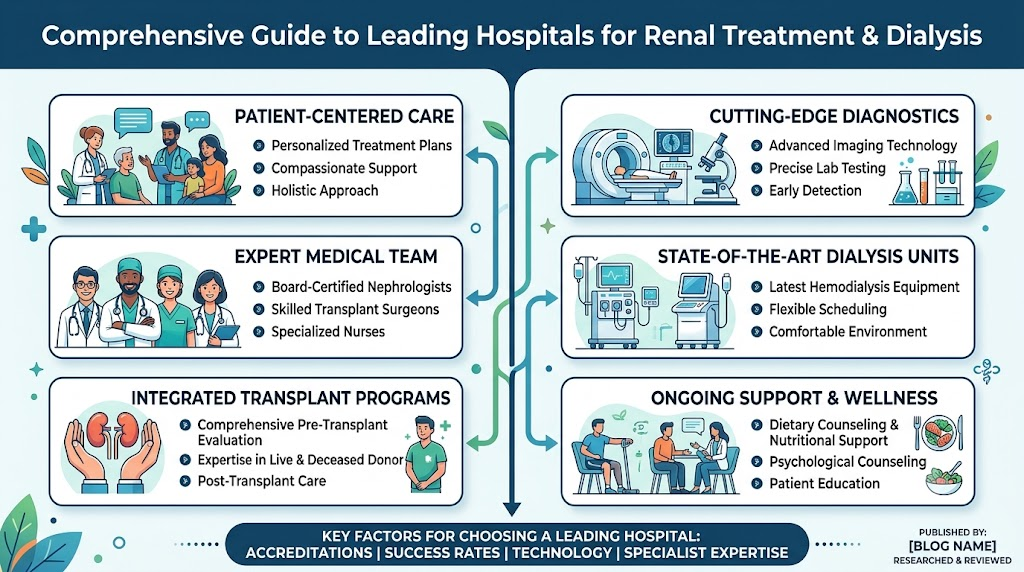
Introduction
The kidneys work continuously behind the scenes to filter waste, balance bodily fluids, and regulate critical hormones. When these vital organs function normally, metabolic balance is maintained effortlessly. However, when kidney function declines due to acute illness or chronic conditions, specialized medical intervention becomes essential to preserve health and quality of life.Navigating the landscape of renal care can feel overwhelming for patients and families facing a new diagnosis or transitioning to dialysis. Platform platforms like MYHOSPITALNOW support patients by helping them discover hospitals, compare treatment options, request cost quotes, and connect with qualified healthcare providers through one integrated interface.In this guide, you will learn about the fundamentals of kidney disease, the range of medical services offered by dedicated kidney centers, modern dialysis modalities, essential hospital selection criteria, and strategies for maintaining long-term renal health.
Understanding Kidney Disease
To understand renal treatment, it is helpful to review how kidneys maintain healthy bodily balance.
+-----------------------------------------------------------------------+
|                         PRIMARY KIDNEY FUNCTIONS                       |
+-----------------------------------------------------------------------+
|  1. Waste Filtration     : Removes urea, creatinine, and toxins       |
|  2. Fluid Balance        : Regulates total body water volume          |
|  3. Electrolyte Control  : Balances sodium, potassium, and phosphorus |
|  4. Hormone Production   : Regulates blood pressure & red blood cells  |
|  5. Bone Health          : Activates Vitamin D for calcium absorption |
+-----------------------------------------------------------------------+
How the Kidneys Function
Each human kidney contains approximately one million functional units called nephrons. These tiny structures continuously filter blood, removing metabolic waste products and excess water to form urine.
Beyond waste elimination, kidneys regulate blood pressure through hormone production, stimulate red blood cell creation via erythropoietin, and keep essential minerals like sodium, potassium, and phosphorus balanced in the bloodstream.
Chronic Kidney Disease (CKD)
Chronic Kidney Disease involves a gradual loss of renal function over months or years. Because early stages often cause minimal symptoms, CKD can progress unnoticed without routine health screenings.
CKD is classified into five distinct stages based on the estimated Glomerular Filtration Rate (eGFR), which measures how effectively the kidneys filter blood. Early identification allows healthcare teams to implement strategies that slow disease progression.
Acute Kidney Injury (AKI)
Unlike CKD, Acute Kidney Injury is a sudden decline in kidney function that occurs over hours or days. AKI can result from severe infections, dehydration, medication side effects, or physical trauma.
When recognized and treated promptly in a medical setting, AKI is often reversible, though severe cases may require temporary dialysis support while the kidneys heal.
End-Stage Kidney Disease (ESKD)
End-Stage Kidney Disease, also known as stage 5 CKD, occurs when kidney function falls below approximately 15% of normal capacity. At this stage, the kidneys can no longer support bodily functions on their own.
To sustain life, patients with ESKD require renal replacement therapy, which consists of dialysis or kidney transplantation.
Importance of Early Diagnosis
Early diagnosis of renal impairment allows medical professionals to address root causes, manage underlying conditions such as hypertension and diabetes, and adjust medications appropriately.
Intervening early reduces the risk of cardiovascular complications and delays the need for advanced renal replacement therapies.
Common Conditions Treated by Renal Hospitals
Specialized renal hospitals care for patients with a wide spectrum of acute and chronic kidney disorders:
- Chronic Kidney Disease (CKD): Long-term kidney impairment requiring continuous monitoring, medication management, and lifestyle guidance to prevent or delay disease progression.
- Acute Kidney Injury (AKI): Sudden renal decline requiring immediate medical evaluation, intensive monitoring, and targeted supportive care.
- Kidney Failure: Advanced functional loss where the body accumulates excess waste and fluids, necessitating dialysis or preparation for transplantation.
- Diabetic Kidney Disease (Diabetic Nephropathy): Kidney damage resulting from prolonged elevated blood sugar levels, requiring integrated endocrinology and nephrology care.
- Hypertensive Kidney Disease: Damage to renal blood vessels caused by long-term high blood pressure, requiring strict blood pressure control strategies.
- Glomerulonephritis: Inflammation of the microscopic filtering units (glomeruli) within the kidneys, caused by immune system responses or infections.
- Polycystic Kidney Disease (PKD): A genetic disorder characterized by the growth of fluid-filled cysts within the kidney tissue, requiring specialized monitoring.
- Kidney Stones with Renal Complications: Recurrent or complex stone disease that blocks urine flow, causes infections, or impairs kidney tissue function.
- Electrolyte Disorders: Severe imbalances in potassium, sodium, calcium, or acid-base balance caused by impaired renal regulation.
Renal Treatment Services Comparison Table
| Service | Primary Purpose | Benefit |
| Nephrology Consultation | Evaluate kidney health and identify underlying causes | Personalized treatment planning and disease management |
| Hemodialysis | Remove waste products and excess fluid via external filtering | Supports vital kidney functions in center or at home |
| Peritoneal Dialysis | Filter blood using the body’s peritoneal lining | Offers home-based treatment flexibility for eligible patients |
| Kidney Biopsy | Obtain tissue samples for precise diagnostic analysis | Guides accurate treatment decisions for complex conditions |
| Kidney Transplant Evaluation | Assess overall health and suitability for transplantation | Establishes a long-term care pathway beyond continuous dialysis |
| Renal Nutrition Counseling | Design individualized kidney-friendly dietary plans | Supports clinical therapies and improves symptom management |
Services Offered by Leading Hospitals
Dedicated kidney hospitals offer comprehensive services designed to address every stage of renal disease.
                   +--------------------------------+
                   |  COMPREHENSIVE KIDNEY CARE     |
                   +---------------+----------------+
                                   |
        +--------------------------+--------------------------+
        |                                                     |
+-------v-------+                                     +-------v-------+
|  DIAGNOSTICS  |                                     | THERAPEUTICS  |
+-------+-------+                                     +-------+-------+
| • Biopsy      |                                     | • Hemodialysis|
| • eGFR / Labs |                                     | • Peritoneal  |
| • Imaging     |                                     | • Transplant  |
+---------------+                                     +---------------+
Nephrology Consultation & CKD Management
Consultations with board-certified nephrologists form the foundation of kidney care. Doctors assess clinical history, run diagnostic evaluations, and establish long-term management plans focused on preserving existing kidney function.
Hemodialysis & Peritoneal Dialysis
When renal function declines significantly, hospitals offer both in-center hemodialysis and peritoneal dialysis options. Hemodialysis uses a specialized machine to filter blood, while peritoneal dialysis utilizes the lining of the patient’s abdomen to clear waste products.
Acute Dialysis & Home Dialysis Programs
For hospitalized patients experiencing severe kidney injury, acute dialysis facilities offer immediate care. For stable, trained individuals, home dialysis programs provide training, equipment, and medical oversight for home-based therapy.
Diagnostic Biopsy & Transplant Evaluation
Kidney biopsies allow specialists to evaluate tissue samples and determine specific disease causes. For patients facing kidney failure, comprehensive evaluation teams assess suitability for living or deceased donor kidney transplantation.
Specialized Support & Vascular Care
Renal care extends beyond dialysis machines. Multidisciplinary teams include renal dietitians who craft tailored meal plans and vascular specialists who monitor and manage dialysis access sites (AV fistulas, grafts, or catheters) to prevent complications.
Advanced Technologies Used
Modern renal care facilities use advanced medical technologies to enhance treatment safety, precision, and patient comfort.
+----------------------------------------------------------------------+
|                     ADVANCED RENAL TECHNOLOGIES                      |
+----------------------------------------------------------------------+
|  [High-Efficiency Dialyzers]  --> Enhanced waste clearance         |
|  [Ultrapure Water Systems]    --> Reduced inflammatory reactions    |
|  [CRRT Equipment]            --> Continuous hemodynamic support    |
|  [Ultrasound Vascular Access] --> Safer, precise access placements  |
|  [Digital Remote Monitoring]  --> Real-time home dialysis tracking  |
+----------------------------------------------------------------------+
- High-Efficiency Dialysis Machines: Advanced dialyzers offer controlled fluid removal and precise toxin filtration customized to each patient’s prescription.
- Ultrapure Water Purification Systems: Multi-stage water purification systems ensure the dialysate fluid used during hemodialysis meets strict microbiological safety standards.
- Continuous Renal Replacement Therapy (CRRT): Slow, continuous blood-filtering technology designed for critically ill patients in intensive care settings who cannot tolerate standard dialysis.
- Ultrasound-Guided Vascular Access: Real-time imaging ensures accurate placement and evaluation of vascular access points, minimizing discomfort and tissue trauma.
- Digital Laboratory & Remote Monitoring: Electronic health platforms track laboratory trends over time and enable remote monitoring for patients performing dialysis therapies at home.
How to Choose the Right Hospital
Selecting a hospital for long-term kidney treatment involves evaluating clinical expertise, facility resources, and patient support systems. The ideal medical center depends on individual health needs, kidney disease stage, overall physical condition, and treatment goals.
                       +------------------------+
                       | EVALUATING A HOSPITAL  |
                       +-----------+------------+
                                   |
         +-------------------------+-------------------------+
         |                                                   |
+--------v-------+                                  +--------v-------+
| CLINICAL CARE  |                                  | SAFETY & SUPPORT|
+--------+-------+                                  +--------+-------+
| • Board Doctors|                                  | • Infection Control
| • Dialysis Tech|                                  | • 24/7 Emergency
| • Transplant   |                                  | • Nutritionists|
+----------------+                                  +----------------+
Experienced Clinical Team
Look for medical centers staffed by board-certified nephrologists, specialized renal nurses, and certified dialysis technicians with experience in managing complex kidney conditions.
Facility Accreditation & Safety Protocols
Choose facilities that maintain strict infection control measures, undergo regular quality audits, and follow established clinical safety guidelines for dialysate quality and equipment sterilization.
Emergency Dialysis & Comprehensive Support Services
Ensure the hospital offers 24/7 emergency dialysis capabilities, on-site vascular access management, and integrated support services, including renal nutrition, social work, and financial counseling.
Hospital Selection Checklist
| Feature | Why It Matters |
| Experienced Nephrologists | Ensures expert diagnosis and tailored treatment strategies |
| Modern Dialysis Unit | Provides safe, efficient, and comfortable renal replacement therapies |
| Kidney Transplant Services | Offers continuity of care if transplantation becomes an option |
| Renal Dietitians | Assists with personalized dietary strategies crucial for renal health |
| Emergency Dialysis | Delivers rapid medical care during acute health complications |
| Follow-Up Care | Supports long-term health tracking and early intervention |
Diagnostic Evaluation Before Treatment
Before initiating renal therapies, medical teams perform thorough diagnostic evaluations to understand the precise nature and extent of kidney impairment.
  [Medical History & Exam]
             │
             ▼
  [Blood & Urine Testing]  ───► Serum Creatinine, BUN, eGFR, Proteinuria
             │
             ▼
  [Imaging / Ultrasound]   ───► Evaluates kidney size, structure, blockages
             │
             ▼
  [Biopsy (If Needed)]     ───► Provides detailed microscopic diagnostic insights
Initial Assessment & Laboratory Testing
Specialists begin with a comprehensive medical history and physical examination. Routine blood tests measure blood urea nitrogen (BUN) and serum creatinine to compute the estimated Glomerular Filtration Rate (eGFR). Urinalysis checks for proteinuria (protein in the urine) or hematuria (blood in the urine), which serve as early signs of tissue stress.
Imaging Studies & Kidney Biopsy
Renal ultrasounds provide clear visual images of kidney size, structure, and potential urinary tract obstructions. When diagnostic blood work and imaging do not reveal a clear underlying cause, a kidney biopsy may be recommended to obtain a small tissue sample for microscopic evaluation.
Understanding Dialysis
When kidney function drops to critical levels, dialysis performs essential filtration duties to preserve life and manage systemic symptoms.
+-------------------------------------------------------------------------+
|                          DIALYSIS MODALITIES                            |
+-------------------------------------------------------------------------+
|  HEMODIALYSIS (HD)                                                      |
|  • Filters blood through external machine dialyzer                       |
|  • Typically performed 3 times per week, 3-4 hours per session           |
|  • Requires AV fistula, graft, or central venous catheter               |
+-------------------------------------------------------------------------+
|  PERITONEAL DIALYSIS (PD)                                               |
|  • Uses abdominal peritoneal membrane as a natural filter               |
|  • Performed daily at home (Continuous Ambulatory or Automated)         |
|  • Requires surgical placement of a peritoneal catheter                 |
+-------------------------------------------------------------------------+
What Is Dialysis?
Dialysis is an artificial medical process that replicates essential kidney functions by removing metabolic waste, excess water, and surplus electrolytes from the bloodstream. While dialysis effectively manages toxins and fluid volume, it does not cure underlying kidney disease.
Hemodialysis vs. Peritoneal Dialysis
- Hemodialysis: Blood is continuously drawn from an access site, routed through a dialyzer (artificial kidney) where waste products and fluid are removed, and then returned safely to the body. Sessions typically take place three times a week at a dialysis clinic or hospital setting, lasting about three to four hours per session.
- Peritoneal Dialysis: A sterile cleansing fluid (dialysate) is introduced into the abdominal cavity through a catheter. The lining of the abdomen (peritoneum) acts as a natural filter, absorbing waste from nearby blood vessels. After a set period, the fluid is drained and replaced. This method can be performed daily at home, offering greater scheduling flexibility for suitable candidates.
Preparing for Dialysis
Transitioning to dialysis involves clinical preparation, minor surgical procedures, lifestyle adjustments, and practical education.
- Surgical Access Placement: For hemodialysis, an arteriovenous (AV) fistula or graft is surgically created in the arm, ideally months before starting treatment to allow proper healing. For peritoneal dialysis, a catheter is inserted into the lower abdomen.
- Medication & Nutrition Reviews: Pharmacists and nephrologists adjust daily medications, while renal dietitians outline specific daily protein, potassium, sodium, and fluid guidelines.
- Emotional & Social Support: Social workers, counselors, and support groups help patients and caregivers adapt to new routines and navigate treatment schedules with confidence.
Lifestyle and Long-Term Kidney Care
Effective kidney care involves daily self-management alongside routine medical care.
+--------------------------------------------------------------------+
|                  DAILY KIDNEY SELF-MANAGEMENT                      |
+--------------------------------------------------------------------+
|  [Nutritional Care]   --> Monitor sodium, fluid, and potassium     |
|  [Blood Pressure]     --> Aim for targets set by your doctor       |
|  [Blood Sugar Control]--> Keep HbA1c in optimal target ranges     |
|  [Medication Safety]  --> Avoid unprescribed NSAIDs & OTC drugs    |
|  [Active Lifestyle]   --> Engage in regular physical activity      |
+--------------------------------------------------------------------+
- Targeted Dietary Management: Monitoring intake of sodium, potassium, phosphorus, and fluid helps maintain metabolic balance and prevents fluid overload between treatment sessions.
- Cardiovascular & Diabetes Control: Keeping blood pressure and blood glucose within target ranges reduces vascular strain on small blood vessels throughout the kidneys.
- Safe Medication Usage: Always consult your care team before taking over-the-counter medications, particularly nonsteroidal anti-inflammatory drugs (NSAIDs), which can further impair kidney function.
- Routine Monitoring & Physical Activity: Attending regular follow-up appointments and engaging in modest physical activity promotes cardiovascular health and overall well-being.
Possible Risks and Complications
While modern dialysis therapies are safe and life-sustaining, potential complications require ongoing monitoring:
- Dialysis-Related Low Blood Pressure: Rapid fluid removal during hemodialysis can cause temporary blood pressure drops, leading to lightheadedness, cramps, or nausea.
- Infection Risks: Access sites (catheters, fistulas, grafts) present potential entry points for bacteria, requiring strict hygenic care.
- Fluid & Electrolyte Disturbances: Shifts in potassium, calcium, or fluid levels between treatment sessions can cause muscle weakness, heart palpitations, or tissue swelling.
- Cardiovascular Stress: Long-term fluid retention and chronic kidney disease increase strain on the heart, making cardiovascular management an integral component of overall renal care.
Close cooperation with your medical team helps identify and manage these risks early.
How MYHOSPITALNOW Helps Patients
Finding specialized care centers and understanding treatment options can feel overwhelming. MYHOSPITALNOW simplifies this process by providing a clear, user-friendly digital platform for patients and families.
+------------------------------------------------------------------------+
|                        MYHOSPITALNOW PLATFORM                          |
+------------------------------------------------------------------------+
|  [Hospital Discovery]  --> Search accredited renal care facilities     |
|  [Care Comparison]     --> Review services, specialists, & options     |
|  [Cost Transparency]   --> Request direct quotes for treatments        |
|  [Provider Access]     --> Connect directly with nephrology teams      |
+------------------------------------------------------------------------+
Through MYHOSPITALNOW, users can discover accredited medical facilities, compare specialized kidney care programs, request treatment cost quotes, and connect with experienced nephrology providers. By bringing essential information together in one central location, the platform empowers patients to make informed decisions about their kidney care journey.
Common Mistakes Patients Make
Addressing common oversights can significantly improve treatment outcomes and quality of life.
1. Delaying Specialist Consultations
- The Mistake: Postponing a visit to a nephrologist until severe symptoms appear.
- The Solution: Schedule a renal evaluation at the first sign of abnormal blood or urine tests. Early intervention preserves existing kidney function longer.
2. Missing or Shortening Dialysis Sessions
- The Mistake: Skipping treatments or leaving early due to fatigue or scheduling conflicts.
- The Solution: Stick strictly to your prescribed dialysis schedule. Skimping on time leads to toxin accumulation and fluid overload.
3. Ignoring Dietary and Fluid Guidelines
- The Mistake: Assuming medication alone can manage fluid volume and mineral balances.
- The Solution: Work closely with a renal dietitian to follow fluid and dietary guidelines consistently.
4. Taking Over-the-Counter Medications Unadvised
- The Mistake: Using common pain relievers (like ibuprofen or naproxen) without consulting a physician.
- The Solution: Always check with your nephrologist before taking any new over-the-counter painkiller, supplement, or herbal product.
Common Myths vs. Facts
| Myth | Fact |
| Dialysis cures kidney disease. | Dialysis replaces vital filtering functions but does not heal or restore original kidney tissue. |
| Every kidney patient needs dialysis. | Many patients manage early or moderate kidney disease through medication, diet, and lifestyle adjustments. |
| Home dialysis is suitable for everyone. | Home therapies require candidate evaluation, stable health parameters, and structured patient training. |
| Kidney disease always causes early symptoms. | Early stage kidney disease is often silent; laboratory screenings are key to early detection. |
Real-Life Educational Scenarios
Scenario A: Slowing CKD Progression Through Early Intervention
A 54-year-old patient with long-standing high blood pressure noticed mild routine protein elevations during annual blood work. By seeking an early nephrology consultation, the patient adjusted their blood pressure regimen, consulted a renal dietitian, and reduced sodium intake. Over several years, their kidney function remained stable, successfully delaying the need for renal replacement therapy.
Scenario B: Transitioning Smoothly to In-Center Hemodialysis
An individual diagnosed with Stage 5 CKD worked proactively with their clinical team to plan access placement months in advance. When hemodialysis became medically necessary, their AV fistula was fully healed and ready for use. This proactive approach avoided emergency central line placements and enabled a smooth transition into their regular three-day-a-week dialysis schedule.
Scenario C: Gaining Independence Through Home Peritoneal Dialysis
A busy working professional diagnosed with kidney failure sought a treatment option compatible with their work routine. After a medical evaluation confirmed eligibility, the patient completed specialized training for automated peritoneal dialysis. Performing therapy overnight at home allowed them to maintain their daily career schedule while receiving consistent treatment.
Frequently Asked Questions (FAQs)
1.What is renal treatment?
Renal treatment encompasses all medical therapies, dietary strategies, lifestyle adjustments, and replacement options (such as dialysis or transplantation) used to manage diseases affecting the kidneys.
2.When is dialysis needed?
Dialysis becomes necessary when kidney function drops to advanced stages (typically Stage 5 CKD or severe Acute Kidney Injury) and the body can no longer clear toxins or regulate fluids effectively on its own.
3.What is the difference between hemodialysis and peritoneal dialysis?
Hemodialysis filters blood outside the body using a machine dialyzer, usually in a clinic setting. Peritoneal dialysis uses the body’s abdominal lining as a filter and is typically performed by the patient at home.
4.How long does a dialysis session take?
In-center hemodialysis usually takes about three to four hours per session, performed three times a week. Peritoneal dialysis timing varies based on whether continuous manual exchanges or overnight automated cyclers are used.
5.Can dialysis be done at home?
Yes. Both home hemodialysis and peritoneal dialysis are available options for candidates who complete proper training and have suitable home environments and support systems.
6.What tests evaluate kidney function?
Common evaluations include serum creatinine blood tests, estimated Glomerular Filtration Rate (eGFR), Blood Urea Nitrogen (BUN), routine urinalysis, and renal ultrasound imaging.
7.What is chronic kidney disease (CKD)?
CKD is the gradual loss of kidney function over time, often caused by conditions like high blood pressure or diabetes, classified across five developmental stages.
8.Can kidney disease be prevented?
While genetic conditions cannot always be prevented, many forms of kidney disease can be delayed or prevented by controlling blood pressure, managing blood sugar, staying hydrated, avoiding smoking, and avoiding overuse of nephrotoxic drugs.
9.How do I choose the right renal hospital?
Look for accredited facilities with board-certified nephrologists, comprehensive dialysis facilities, emergency support, transplant services, and access to dedicated renal dietitians.
10.What diet is recommended during dialysis?
Diets vary individually but generally focus on managing intake of sodium, fluid, potassium, and phosphorus while ensuring adequate protein consumption based on your specific dialysis modality.
11.Is kidney transplantation an option?
Transplantation is an option for many individuals with end-stage kidney failure. Suitability is determined through comprehensive medical, psychological, and cardiovascular evaluations.
12.What are the possible complications of dialysis?
Potential complications include low blood pressure during treatment, access site infections, muscle cramps, fluid overload between sessions, and long-term cardiovascular strain.
13.How often should kidney function be monitored?
Monitoring frequency depends on the stage of kidney disease. Patients with stable early CKD may be evaluated every few months, while those on active dialysis require continuous monitoring during each treatment.
14.What services should a leading renal hospital provide?
A top renal care facility should offer specialized consultations, acute and chronic dialysis options, vascular access management, transplant evaluations, emergency care, and renal nutrition counseling.
15.How does MYHOSPITALNOW help patients find hospitals for renal treatment and dialysis?
MYHOSPITALNOW provides an easy-to-use platform that allows patients to search for accredited kidney centers, compare specialized treatment services, request cost estimates, and connect directly with healthcare providers.
Final Thoughts
Managing kidney health effectively relies on early diagnosis, access to specialized nephrology expertise, and personalized treatment planning. Whether managing early-stage chronic kidney disease, transitioning to in-center or home dialysis, or evaluating options for kidney transplantation, choosing the right medical center ensures you receive high-quality, continuous care.Taking an active role in your healthcare—by adhering to treatment plans, managing diet and fluids, and keeping regular medical appointments—greatly improves long-term well-being.If you or a loved one are looking for trusted medical care, explore MYHOSPITALNOW to discover specialized renal centers, compare dialysis services, and connect with leading healthcare professionals today.

Find Trusted Cardiac Hospitals
Compare heart hospitals by city and services — all in one place.
Explore Hospitals