Introduction
A cancer diagnosis is a life-altering event that brings a flood of questions, anxieties, and critical decisions. Among the most important steps a patient and their family can take is selecting the right medical facility. The best oncology hospitals for cancer patients serve as more than just buildings; they are hubs of advanced research, compassionate care, and multidisciplinary expertise that can significantly influence the trajectory of a patient’s recovery.Choosing a hospital is not merely about proximity; it is about finding a center that aligns with the specific medical, emotional, and practical needs of the patient. Navigating this selection process can be overwhelming, which is why platforms like MyHospitalNow exist to simplify the journey. By providing a structured way to compare facilities and understand various treatment pathways, MyHospitalNow empowers patients to make informed, confident choices during one of the most challenging times in their lives.
Understanding the components of high-quality cancer care—from surgical expertise to psychological support—is the foundation of making the right choice. This guide will walk you through everything you need to know about selecting the best oncology hospitals for cancer patients.
What Are Oncology Hospitals?
An oncology hospital is a specialized medical facility dedicated entirely or primarily to the diagnosis, treatment, and ongoing management of cancer. Unlike general hospitals, which provide a wide array of services, oncology-focused centers concentrate their resources, equipment, and medical personnel on the unique complexities of oncological diseases.
Key characteristics include:
- Concentrated Expertise: Every department, from imaging to nursing, is trained specifically in cancer care.
- High-Volume Experience: Because these facilities treat a higher volume of cancer cases, their staff often possesses deeper experience with rare and complex tumor types.
- Integrated Services: These hospitals house chemotherapy suites, radiation centers, and surgical wards in one location, ensuring seamless transitions between different phases of treatment.
Why Choosing the Right Oncology Hospital Matters
The difference in outcomes between a standard facility and a top-tier oncology center can be profound. When you choose the right hospital, you are opting for:
- Accurate Diagnostics: Advanced pathology and molecular testing ensure that your treatment is based on the most precise understanding of your cancer type.
- Personalized Treatment Pathways: No two cancers are the same. A specialized hospital crafts plans based on your genetics, lifestyle, and disease stage.
- Access to Specialists: You gain access to a “tumor board”—a group of medical, surgical, and radiation oncologists who meet to discuss your specific case.
- Comprehensive Follow-up: Cancer care does not end with the last treatment. Specialized centers provide structured survivorship programs to monitor long-term health.
Key Features of the Best Oncology Hospitals for Cancer Patients
To identify the best facilities, look for these foundational pillars of care:
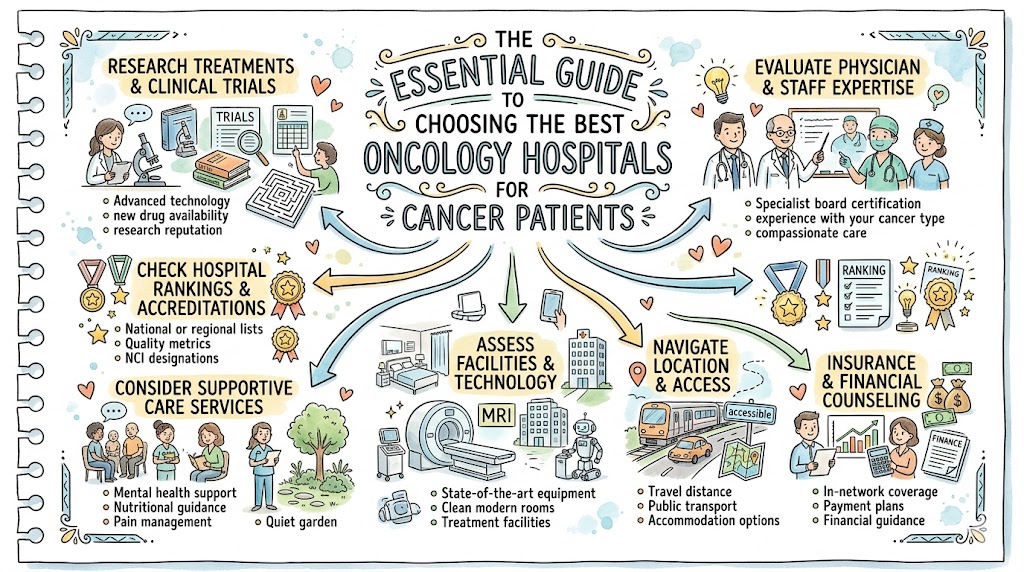
- Multidisciplinary Cancer Teams: Care is led by a team of experts, including medical oncologists, surgical oncologists, radiation therapists, and genetic counselors who work in unison.
- Advanced Diagnostic Technology: Look for hospitals equipped with PET-CT, MRI-guided radiation, and genomic sequencing capabilities.
- Surgical Oncology: The presence of specialized surgeons trained in robotic-assisted or minimally invasive techniques often leads to faster recovery times.
- Patient Support Programs: This includes nutritional counseling, pain management specialists, and mental health services to support the “whole” patient.
Cancer Treatments Available at Leading Oncology Hospitals
Modern oncology is characterized by a “combination approach.” Most leading hospitals utilize a mix of these modalities:
- Chemotherapy: The use of powerful drugs to kill or slow the growth of cancer cells.
- Radiation Therapy: High-energy beams used to precisely target and shrink tumors.
- Surgical Oncology: Procedures to remove tumors or assess the spread of cancer.
- Immunotherapy: Cutting-edge treatments that help your immune system fight cancer.
- Targeted Therapy: Drugs specifically engineered to attack the genetic mutations unique to your cancer cells.
- Precision Medicine: Tailoring treatment based on your individual genetic makeup.
- Palliative Care: Specialized care focused on providing relief from symptoms and improving the quality of life for patients and their families.
How to Evaluate an Oncology Hospital
| Factor | Why It Matters |
| Doctor Experience | Ensures the team has handled cases similar to yours successfully. |
| Technology | Access to modern tools can mean more precise treatment and fewer side effects. |
| Success Rates | Provides an objective indicator of the hospital’s efficacy in treating specific cancers. |
| Support Services | Improves mental health and quality of life during taxing treatment cycles. |
| Multidisciplinary Care | Prevents fragmented care and ensures all specialists are on the same page. |
| Clinical Expertise | The depth of research and academic background of the medical staff. |
Benefits of Specialized Oncology Hospitals
Choosing a specialized hospital offers benefits that ripple through the entire treatment experience:
- Care Coordination: Complex scheduling (chemo, scans, and doctor visits) is handled by centralized teams, reducing administrative burden on the patient.
- Innovative Clinical Trials: Patients at top centers often get early access to life-saving experimental drugs.
- Holistic Management: These centers view the patient as a person, not just a diagnosis, addressing nutritional, social, and spiritual needs.
Types of Cancer Commonly Treated
The best oncology hospitals for cancer patients typically feature departments specialized in:
- Breast Cancer: Comprehensive screening, breast-conserving surgery, and reconstruction.
- Lung Cancer: Advanced thoracic surgery and targeted lung therapies.
- Prostate Cancer: Active surveillance and robotic-assisted prostatectomies.
- Colorectal Cancer: Advanced gastrointestinal oncology and screening programs.
- Blood Cancers (Leukemia/Lymphoma): Bone marrow and stem cell transplant expertise.
- Head & Neck Cancer: Reconstructive expertise and specialized radiation delivery.
- Gynecologic Cancers: Advanced care for cervical, ovarian, and uterine cancers.
Patient Support Services
Treatment is physically and emotionally draining. The best hospitals offer:
- Counseling: For patients and family members to process the stress of diagnosis.
- Nutrition Support: Specialized diets to help maintain strength during treatment.
- Pain Management: Specialized clinics to minimize discomfort.
- Survivorship Programs: Guidance for life after treatment, including monitoring for recurrence.
Common Challenges Cancer Patients Face
- Treatment Complexity: Understanding a myriad of medical terms is difficult. Guidance: Don’t be afraid to ask for a “patient navigator” or case manager to explain things in plain language.
- Financial Concerns: Hospital bills can be staggering. Guidance: Ask to speak with a financial counselor at the hospital before treatment begins.
- Emotional Stress: Feeling overwhelmed is normal. Guidance: Seek out patient support groups within the hospital’s network.
How MyHospitalNow Helps Patients Find Oncology Hospitals
Navigating the healthcare system is difficult, but MyHospitalNow makes it manageable. Our platform allows you to:
- Compare Hospitals: Filter facilities based on specialized oncology departments, technology, and patient reviews.
- Explore Treatments: Get clear, concise information about the treatment pathways offered at different centers.
- Connect: Find contact information and patient portals to reach out to healthcare providers directly.
By putting data-driven insights at your fingertips, MyHospitalNow ensures that you spend less time searching and more time focusing on what truly matters: your health and recovery.
Expert Tips for Choosing the Best Oncology Hospital
- Seek a Second Opinion: Never feel pressured to start treatment immediately at the first hospital you visit.
- Check Certification: Look for hospitals accredited by national or international medical boards.
- Evaluate Communication: Does the staff listen to your concerns? Communication is a vital part of your care team’s effectiveness.
- Accessibility: Consider the travel time, especially if your treatment requires daily visits.
Future of Oncology Care
The future is bright, with precision medicine leading the way. We are moving toward a reality where AI helps radiologists detect tumors earlier than ever, and immunotherapy is becoming more accessible. Robotic surgery continues to make complex operations less invasive, and personalized treatment plans based on AI analysis of your unique genetic markers are becoming the gold standard at elite centers.
FAQs
Q1. What is an oncology hospital?
A: A hospital dedicated to the diagnosis and treatment of cancer.
Q2. How do I choose the best oncology hospital?
A: Research the center’s specialization, experience, and available patient support.
Q3. What treatments are available in oncology hospitals?
A: Options include chemotherapy, radiation, surgery, immunotherapy, and targeted therapies.
Q4. Are oncology hospitals better than general hospitals?
A: For complex cancers, specialized hospitals often offer more refined expertise and technology.
Q5. What should cancer patients look for in a hospital?
A: Multidisciplinary teams, board-certified specialists, and robust patient support.
Q6. Does insurance cover treatment at these hospitals?
A: Most major insurance plans cover treatment, but always verify “in-network” status.
Q7. What is a “Tumor Board”?
A: A panel of diverse specialists who meet to discuss and design your specific treatment plan.
Q8. How do I start the process at MyHospitalNow?
A: Visit MyHospitalNow, select the oncology category, and browse hospitals in your region.
Q9. Is travel necessary for cancer care?
A: Only if a local facility does not offer the specialized surgery or clinical trial you require.
Q10. How long does a cancer treatment program last?
A: It varies widely based on cancer stage and treatment modality.
Q11. What is palliative care?
A: Care focused on symptom management and quality of life throughout the treatment process.
Q12. What are clinical trials?
A: Research studies that test new treatments; they may offer access to the latest therapies.
Q13. How can I manage the emotional stress of treatment?
A: Utilize the hospital’s counseling services and support groups.
Q14. How do I prepare for my first appointment?
A: Bring all medical records, a list of current medications, and a list of questions.
Q15. Can my family be involved in my care?
A: Yes, top oncology hospitals encourage family involvement in planning and emotional support.
Conclusion
Selecting the right care facility is one of the most significant choices a patient will make. The best oncology hospitals for cancer patients offer more than just medical intervention; they offer a partnership. By providing access to multidisciplinary teams, advanced technology, and comprehensive support systems, these institutions significantly improve the quality of care and the likelihood of positive patient outcomes.When evaluating your options, consider the hospital’s expertise in your specific type of cancer, the accessibility of its support services, and the compassionate nature of its care team. Remember that you do not have to navigate this process alone. Platforms like MyHospitalNow are designed to assist you in finding the specialized care you deserve, ensuring you have the information needed to make decisions with clarity and confidence.

Find Trusted Cardiac Hospitals
Compare heart hospitals by city and services — all in one place.
Explore Hospitals