Introduction
Joint pain, stiffness, and bone-related injuries are challenges that affect millions of people across the globe. Whether it is the quiet ache of arthritis that limits daily movement or a sudden injury during a sporting activity, bone and joint health is the foundation of our independence. When movement becomes painful, finding the right care is not just about visiting a doctor—it is about accessing a system designed specifically to restore your quality of life.This is where the role of leading orthopedic hospitals for bone and joint care becomes critical. These institutions do more than just treat injuries; they provide a comprehensive ecosystem of diagnostics, surgical excellence, and rehabilitation support. If you are struggling with persistent joint discomfort, early intervention is essential to prevent long-term mobility issues. Understanding your options and the standard of care available is the first step toward regaining an active lifestyle. For comprehensive information and resources on connecting with professional care, visit MyHospitalNow. A specialized approach, backed by expert orthopedic specialists, ensures that every aspect of your recovery is managed with precision and long-term health in mind.
What Are Leading Orthopedic Hospitals?
An orthopedic hospital is a specialized medical facility dedicated entirely to the musculoskeletal system. Unlike general hospitals that handle a wide spectrum of health issues, these institutions focus exclusively on the bones, joints, ligaments, tendons, and muscles.
At their core, these hospitals function as integrated centers of excellence. They house multidisciplinary teams including orthopedic surgeons, rheumatologists, pain management experts, and physical therapists. From the moment a patient walks through the doors, they are met with diagnostic imaging systems—such as high-resolution MRI and digital X-ray machines—designed to pinpoint the exact nature of the bone or joint issue. These centers provide a seamless workflow that covers everything from trauma and fracture care units to dedicated departments for complex spine treatment and joint replacement surgery.
Why Orthopedic Hospitals Matter
The primary advantage of choosing a specialized facility lies in the concentrated expertise and resources available. In a general medical environment, orthopedic care may be secondary. In a specialized hospital, it is the primary mission.
Specialized hospitals offer faster, more accurate diagnosis due to their focused medical equipment and specialized staff who deal with bone and joint cases daily. For example, a patient with a complex knee injury benefits from the expertise of a surgeon who performs that specific procedure hundreds of times a year. Furthermore, these hospitals prioritize rehabilitation from day one. Consider an elderly patient recovering from a hip fracture; in a specialized center, the transition from surgery to physical therapy is unified, significantly reducing the risk of complications like stiffness or immobility. This integrated approach ensures that recovery is not just about healing the site of the injury, but restoring the patient’s entire functional capacity.
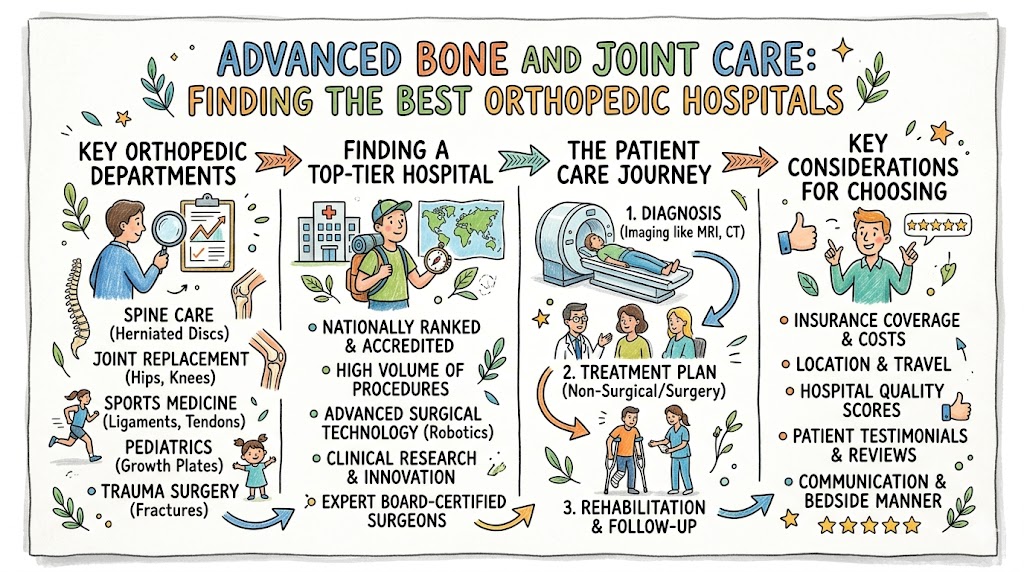
Core Orthopedic Services
Leading hospitals offer a spectrum of care designed to address conditions ranging from minor sports injuries to chronic degeneration.
- Joint Replacement Surgery: Advanced procedures to replace damaged joints, such as the hip or knee, with durable, modern implants to restore pain-free movement.
- Fracture and Trauma Care: Emergency services equipped to handle complex bone breaks, ensuring proper alignment and stabilization to prevent future deformity.
- Sports Injury Treatment: Specialized care for athletes, focusing on ligament repairs, meniscus tears, and soft tissue injuries with a goal of returning to peak performance.
- Arthritis Management: Long-term strategies to manage inflammation and cartilage wear through medication, injections, and surgical options.
- Spine Surgery and Rehabilitation: Comprehensive care for spine-related issues like herniated discs or degenerative conditions, often focusing on minimally invasive techniques.
- Physiotherapy and Pain Management: Dedicated units that provide structured exercises and therapeutic modalities to regain strength, flexibility, and comfort.
Modern Orthopedic Hospital Systems
Modern orthopedic care is defined by its infrastructure. These hospitals utilize digital X-ray and high-field MRI systems that allow surgeons to see bone structure in minute detail before ever making an incision.
Beyond imaging, the operation theatres in these hospitals are highly sophisticated. They are designed for sterility and efficiency, equipped with monitoring systems that track a patient’s vital signs and movement patterns in real-time. The rehabilitation units are equally advanced, featuring specialized equipment that helps patients regain muscle tone in a controlled environment, ensuring that the recovery process is monitored by experts who understand the nuances of orthopedic healing.
Technology in Orthopedic Care
Innovation is changing the landscape of bone and joint care, making treatments safer and more effective.
- Robotic-Assisted Joint Replacement: Allows for extreme surgical precision, ensuring that implants are positioned perfectly for each unique anatomy.
- Smart Orthopedic Implants: Newer materials and designs that integrate better with the body, leading to greater longevity and reduced wear.
- Computer-Assisted Surgical Navigation: Provides surgeons with a “GPS” for the body during complex procedures, minimizing tissue damage.
- Minimally Invasive Orthopedic Surgery: Utilizing smaller incisions to reduce blood loss, pain, and the time required for post-operative recovery.
- Digital Physiotherapy Tracking: Wearable devices and apps that allow therapists to monitor a patient’s progress at home, adjusting recovery plans remotely.
Benefits of Choosing the Right Orthopedic Hospital
When you choose a facility dedicated to bone and joint health, you are investing in your long-term mobility. The benefits include:
- Surgical Precision: Higher volume and experience lead to better surgical outcomes and fewer errors.
- Coordinated Care: All specialists—surgeons, nurses, and physiotherapists—work from the same care plan.
- Reduced Complication Risks: Advanced monitoring and sterile protocols significantly lower infection rates and post-surgical complications.
- Personalized Rehabilitation: A plan built for your specific physical goals, lifestyle, and age, rather than a generic recovery template.
- Focus on Longevity: Emphasis on how the surgery or treatment will affect your mobility ten or twenty years down the line.
Common Bone and Joint Conditions Treated
Orthopedic specialists regularly manage conditions that can significantly impair quality of life if left unaddressed.
- Osteoarthritis: The gradual wear and tear of joint cartilage, leading to pain and limited motion.
- Rheumatoid Arthritis: An autoimmune condition causing chronic inflammation of the joints.
- Fractures and Trauma: Acute injuries resulting from falls, accidents, or impact.
- Spine Disorders: Conditions like spinal stenosis or disc herniation that cause chronic back or neck pain.
- Ligament and Sports Injuries: Tears in the ACL, MCL, or rotator cuff common in active individuals.
- Osteoporosis: A condition characterized by brittle bones, increasing the risk of fractures even from minor stress.
Risks and Realistic Expectations
It is important to approach orthopedic treatment with a realistic mindset. Orthopedic surgery, while life-changing, is a significant event.
Recovery is rarely an overnight process. It requires active participation from the patient, particularly in the form of diligent physical therapy. Healing timelines can vary greatly depending on the patient’s age, overall health, and the complexity of the procedure. Chronic conditions often require long-term lifestyle management, not just a one-time surgical fix. Following the medical team’s advice, attending follow-up appointments, and being patient with your progress are the most important factors in achieving a successful outcome.
Common Mistakes Patients Make
Many patients accidentally hinder their own recovery by falling into common traps.
The biggest mistake is ignoring early signs of joint pain, hoping that it will simply “go away.” Delaying a consultation can turn a treatable condition into a chronic, more complex problem. Another frequent error is avoiding physiotherapy; the surgery is only half the work, and the rest must be done through rehabilitation. Similarly, relying on self-medication to mask pain instead of seeking a professional diagnosis can lead to further damage to the joint. Finally, failing to follow a prescribed rehabilitation plan or choosing a facility that lacks the necessary orthopedic specialization can result in suboptimal recovery.
Best Practices for Bone and Joint Health
Maintaining strong bones and flexible joints is a lifelong commitment.
Staying physically active is non-negotiable; low-impact exercises like swimming, walking, or cycling keep joints lubricated and muscles strong. A diet rich in calcium and Vitamin D is essential for bone density. Maintaining a healthy body weight is equally crucial, as every extra kilogram places significant, unnecessary stress on your knees, hips, and spine. Always pay attention to posture, use ergonomic furniture, and take simple precautions to prevent falls, such as keeping floors clear and ensuring good lighting at home.
Real-World Healthcare Use Cases
- Elderly Arthritis Management: A patient experiencing chronic knee pain undergoes a comprehensive evaluation, resulting in a combination of weight management, specific strengthening exercises, and eventually, a successful knee replacement surgery.
- Sports Injury Rehabilitation: A soccer player with an ACL tear receives surgical repair and enters a structured, multi-phase rehabilitation program, returning to the field within the expected recovery window.
- Fracture Emergency: An individual with a complex wrist fracture receives immediate reduction and internal fixation, followed by specialized occupational therapy to restore fine motor skills.
- Long-term Mobility Restoration: A patient with degenerative spine issues manages their condition through a combination of minimally invasive procedures and targeted physiotherapy, allowing them to remain mobile and independent.
Future of Orthopedic Care
The future of orthopedics is increasingly personalized and data-driven. We are moving toward an era where AI-driven diagnostics will analyze bone health with extreme precision before a patient even feels pain. Regenerative medicine—such as stem cell therapy and platelet-rich plasma treatments—is showing promise in repairing cartilage without the need for major surgery. Combined with smart implants that communicate with doctors about their status and wearable devices that guide patients through physical therapy at home, the next decade will likely see even faster recovery times and better long-term outcomes for patients everywhere.
FAQs
- What do orthopedic hospitals treat? They treat a wide range of musculoskeletal conditions, including fractures, joint degeneration, spine disorders, and sports injuries.
- When should I see an orthopedic specialist? If you have persistent pain, swelling, limited range of motion, or an injury that does not heal with basic rest.
- Is joint replacement surgery safe? Yes, it is a highly standardized, routine procedure with very high success rates when performed by experienced specialists.
- How long does fracture recovery take? It depends on the bone and the severity, ranging from a few weeks for minor breaks to several months for complex trauma.
- What causes arthritis? It is caused by a mix of factors including aging, genetics, previous injuries, and joint wear and tear.
- Is physiotherapy necessary after surgery? Yes, it is the most critical step to regain function and strength after any orthopedic procedure.
- Can I prevent osteoporosis? While you cannot change genetics, you can delay or reduce risk through diet, exercise, and avoiding smoking.
- What is a minimally invasive surgery? It is a surgical approach using smaller incisions to reduce recovery time and post-operative pain.
- Do I need a referral for an orthopedic hospital? This depends on your healthcare system, but it is often beneficial to seek an expert opinion promptly.
- How often should I have an orthopedic checkup? If you have chronic conditions, regular checkups are advised; otherwise, consult a doctor if new symptoms appear.
- Are robotic surgeries more expensive? Costs vary, but they often provide better long-term value due to lower complication and revision rates.
- Can sports injuries lead to arthritis? Yes, if an injury is not properly treated or rehabilitated, it can lead to long-term joint wear.
- Is spine surgery always the last resort? No, but it is typically considered after non-surgical treatments like physiotherapy and medication fail to provide relief.
- How can I maintain joint health while aging? Focus on low-impact exercise, weight management, and nutritional support for bone health.
- How do I choose the right surgeon? Look for specialists with experience in your specific condition and a hospital that provides comprehensive rehabilitation support.
Final Thoughts
Your mobility is one of your most valuable assets. When joint pain or bone injuries begin to hold you back, remember that effective treatment is available. The journey to recovery is built on the foundation of expert diagnosis, skilled surgical care, and, perhaps most importantly, a commitment to your rehabilitation process. Do not ignore your body’s signals—early consultation with an orthopedic specialist can be the difference between a quick recovery and long-term discomfort. By choosing a dedicated orthopedic hospital, you are ensuring that your care is managed by professionals who understand the complexities of the human musculoskeletal system.

Find Trusted Cardiac Hospitals
Compare heart hospitals by city and services — all in one place.
Explore Hospitals