Introduction
Undergoing bariatric and metabolic surgery is a significant clinical milestone for individuals managing severe obesity and related metabolic conditions. However, achieving safe outcomes and sustained health improvement begins long before entering the operating theatre—it starts with selecting the right hospital and surgical team.To assist patients and their families in navigating this critical healthcare landscape, research platforms like MyHospitalNow offer centralized directories of hospitals, clinical departments, and healthcare facilities across various regions. Using structured research tools helps patients review institutional offerings objectively. It is important to note that directory platforms serve as informational starting points; they do not independently certify clinical outcomes or replace thorough clinical consultations with qualified medical specialists.
What Is Bariatric Surgery?
Bariatric surgery—often referred to as metabolic or weight-loss surgery—encompasses a range of gastrointestinal procedures designed to treat clinically severe obesity and its associated chronic health conditions.Unlike conventional cosmetic procedures (such as liposuction or abdominoplasty, which merely contour localized subcutaneous fat), bariatric surgery fundamentally alters the anatomy and physiology of the gastrointestinal tract. These physiological changes work through several mechanisms:
- Gastric Restriction: Reducing the functional capacity of the stomach, which limits the physical volume of food consumed at one time.
- Malabsorption or Pathway Diversion: Rerouting the passage of food through the small intestine, thereby moderating the digestion and absorption of macronutrients.
- Hormonal and Metabolic Modulation: Significantly altering the secretion of gut hormones (such as ghrelin, GLP-1, and PYY). These shifts reduce hunger signals, enhance feelings of satiety, improve insulin sensitivity, and assist in stabilizing blood glucose levels.
Because of these profound systemic effects, surgery is recognized as a vital clinical intervention rather than a standalone cure. It serves as an enabling tool within a broader, lifelong clinical management strategy that necessitates lasting dietary adjustments, physical activity, targeted micronutrient supplementation, and regular medical monitoring.
Who May Be Considered for Bariatric Surgery?
Bariatric surgery is not indicated for general, cosmetic weight reduction, nor is it suitable for every individual living with excess weight. Clinical eligibility is determined through rigorous, individualized medical evaluations conducted by a qualified multidisciplinary team.
Historically, eligibility criteria were established around broad Body Mass Index (BMI) cut-offs. However, contemporary international and regional clinical guidelines recognize that BMI thresholds must be evaluated in conjunction with ethnicity, metabolic risk profiles, and the presence of obesity-related co-morbidities. For instance, clinical guidelines established by organizations such as the Obesity Surgery Society of India (OSSI) and the International Federation for the Surgery of Obesity and Metabolic Disorders (IFSO) account for population-specific body fat distribution and elevated cardiometabolic risks at lower BMI levels in Asian populations.
In general clinical practice, candidacy evaluation considers the following factors:
- Body Mass Index (BMI) and Co-morbidities: Typically considered for individuals with a BMI exceeding standard clinical thresholds, or those with lower BMI thresholds who suffer from severe, uncontrolled obesity-related conditions such as Type 2 diabetes, severe hypertension, obstructive sleep apnea, or non-alcoholic fatty liver disease (NAFLD/MASH).
- History of Non-Surgical Interventions: Evidence that structured, non-surgical approaches—such as medically supervised nutrition, pharmacotherapy, and lifestyle interventions—have not achieved adequate or sustained metabolic improvement.
- Overall Surgical and Anesthetic Risk: Thorough assessment of cardiovascular, pulmonary, and endocrine stability to confirm the patient can safely undergo general anesthesia and laparoscopic or robotic surgery.
- Psychological Readiness and Commitment: The ability and willingness to understand the permanent lifestyle changes, nutritional regimens, and lifelong follow-up commitments required following surgery.
- Absence of Absolute Contraindications: Screening to rule out uncontrolled substance abuse, severe unmanaged psychiatric disorders, or active medical conditions that significantly elevate operative mortality.
Because eligibility criteria vary based on regional clinical guidelines, local health regulations, and individual patient physiology, an in-person assessment by a bariatric specialist is essential to establish clinical candidacy.
Major Types of Bariatric Surgery
Bariatric surgeons perform several distinct procedures, predominantly using minimally invasive techniques (laparoscopic or robotic-assisted surgery). The selection of a specific procedure depends on a patient’s medical history, BMI, metabolic status, nutritional profile, and surgical risk factors.
| Procedure | Basic Surgical Approach | Key Clinical Considerations |
| Sleeve Gastrectomy (Gastric Sleeve) | Approximately 75–80% of the stomach is surgically removed along the greater curvature, leaving a narrow, tube-like “sleeve.” | Non-reversible restrictive procedure. Significantly reduces the hunger-stimulating hormone ghrelin. Requires ongoing dietary adaptation and monitoring for gastroesophageal reflux. |
| Roux-en-Y Gastric Bypass (RYGB) | Creates a small upper stomach pouch that is directly connected to the lower segment of the small intestine (jejunum), bypassing the rest of the stomach and duodenum. | Combines restriction with metabolic diversion. Highly effective for glycemic control and severe reflux, but requires strict, lifelong adherence to vitamin and mineral supplementation due to altered absorption. |
| Adjustable Gastric Band (Lap Band) | A silicone band with an inflatable inner balloon is placed around the upper part of the stomach to create a small pouch. | Purely restrictive and mechanically adjustable via an external port. Does not alter gut hormones or nutrient absorption. Has lower long-term utilization rates due to risks of band slippage, erosion, or inadequate long-term weight maintenance. |
| Biliopancreatic Diversion with Duodenal Switch (BPD/DS) / SADI-S | Combines a sleeve gastrectomy with a substantial bypass of the small intestine, redirecting digestive juices to mix with food only in the final portion of the bowel. | Provides profound metabolic and weight-loss outcomes for severe, complex obesity. Carries a significantly higher risk of protein-calorie malnutrition, chronic diarrhea, and severe micronutrient deficiencies; requires rigorous, lifelong nutritional surveillance. |
There is no universally “superior” procedure. A reputable hospital will discuss the specific risks, benefits, and long-term implications of each option tailored to the patient’s individual health requirements.
What Makes a Leading Bariatric Hospital?
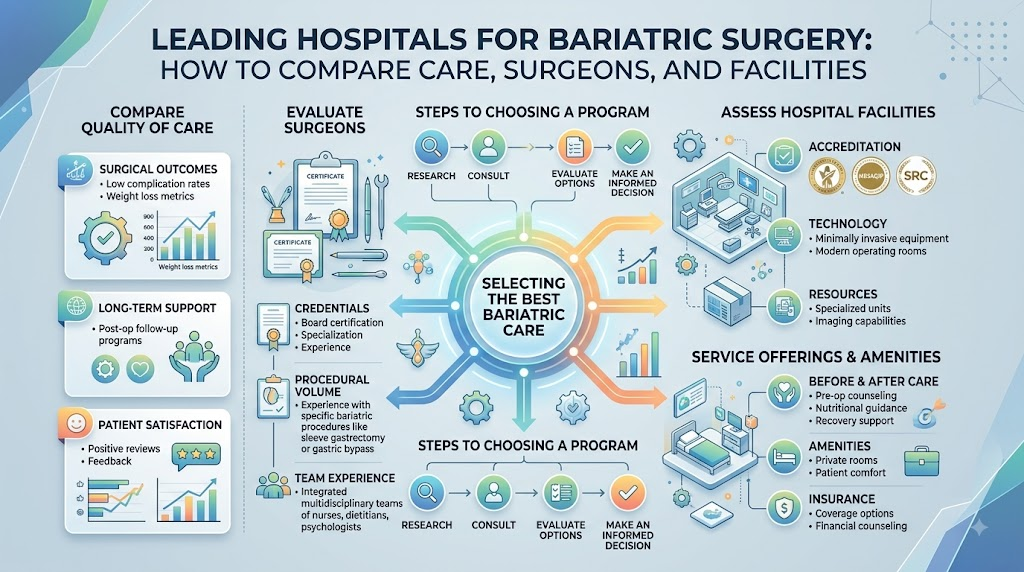
A leading bariatric center distinguishes itself through its institutional infrastructure, clinical processes, and commitment to long-term patient safety. When evaluating hospitals, patients should look for the following core pillars:
                      ┌───────────────────────────────────────┐
                      │    Leading Bariatric Hospital Core    │
                      └──────────────────┬────────────────────┘
                                         │
     ┌──────────────────┬────────────────┼────────────────┬──────────────────┐
     ▼                  ▼                ▼                ▼                  ▼
┌──────────┐     ┌─────────────┐  ┌─────────────┐  ┌─────────────┐    ┌─────────────┐
│ Qualified│     │  Dedicated  │  │ Specialized │  │  Emergency  │    │  Long-Term  │
│ Surgical │     │  Multi-D    │  │ Diagnostic  │  │    & ICU    │    │  Follow-Up  │
│  Teams   │     │    Team     │  │ & OT Gear   │  │   Support   │    │  Care Plan  │
└──────────┘     └─────────────┘  └─────────────┘  └─────────────┘    └─────────────┘
Experienced Bariatric Surgical Team
Surgical safety correlates strongly with institutional experience. High-quality centers feature surgeons who have completed formal fellowships or advanced subspecialty training in bariatric, metabolic, and minimally invasive surgery, supported by dedicated operative teams familiar with obesity-specific protocols.
Multidisciplinary Clinical Care
Obesity is a multifaceted systemic disease. Exemplary hospitals operate structured multidisciplinary programs where surgeons, endocrinologists, bariatric dietitians, clinical psychologists, and physiotherapists collaborate closely to evaluate and support the patient throughout their care journey.
Comprehensive Diagnostic & Surgical Infrastructure
Bariatric procedures require specialized facility accommodations, including:
- Advanced laparoscopic and robotic surgical systems with high-definition visualization.
- Bariatric-rated operating tables, transfer equipment, hospital beds, and mobility aids designed for high weight capacities.
- In-house diagnostic imaging (fluoroscopy, CT scans, ultrasound) and endoscopy suites equipped to accommodate bariatric patients.
- Advanced pulmonary and cardiac diagnostic capabilities for thorough pre-operative clearance.
24/7 Critical Care and Emergency Support
While modern bariatric surgery has a favorable safety profile comparable to common procedures like gallbladder surgery, unforeseen perioperative complications can arise. A leading facility must have an on-site, fully staffed Intensive Care Unit (ICU), 24/7 anesthesia coverage, dedicated blood bank access, and rapid-response emergency protocols.
Structured Post-Operative & Long-Term Care Pathways
Surgical discharge marks the beginning of a patient’s health transformation. Leading centers provide clear post-operative monitoring, emergency contact channels, scheduled nutritional reviews, and long-term surveillance programs to ensure lasting metabolic success.
Verifying Surgeon Credentials and Experience
The skill and judgment of the primary surgeon are central to surgical outcomes. Patients should independently verify a surgeon’s professional credentials through official medical councils, licensing registries, and professional societies.
When evaluating a bariatric surgeon, consider the following checkpoints:
- Basic and Advanced Medical Qualifications: Verification of formal surgical degrees (such as MS, DNB, FRCS, FACS, or equivalent recognized national qualifications in general surgery).
- Subspecialty Fellowship Training: Completion of dedicated clinical fellowships or certified training in bariatric, metabolic, and advanced laparoscopic surgery at accredited training centers.
- Active Professional Registration: Unrestricted, valid registration with the relevant state or national medical council.
- Professional Society Memberships: Active affiliation with recognized surgical bodies, such as the International Federation for the Surgery of Obesity and Metabolic Disorders (IFSO), the American Society for Metabolic and Bariatric Surgery (ASMBS), or national organizations such as OSSI.
- Institutional Affiliation: Operating privileges at reputable, accredited hospital networks equipped with full critical-care infrastructure.
It is important to remember that years of practice alone do not guarantee quality; patients should look for active engagement in continuing medical education, adherence to evidence-based protocols, and transparent communication.
The Importance of Multidisciplinary Bariatric Care
Obesity is recognized by major international medical organizations as a complex, chronic, relapsing disease that affects virtually every organ system. Managing it effectively requires collaborative medical expertise across multiple specialties:
                             ┌──────────────────────────────┐
                             │  Multidisciplinary Bariatric │
                             │          Care Team           │
                             └──────────────┬───────────────┘
                                            │
     ┌────────────────────┬─────────────────┼─────────────────┬────────────────────┐
     ▼                    ▼                 ▼                 ▼                    ▼
┌──────────────┐   ┌──────────────┐  ┌──────────────┐  ┌──────────────┐   ┌─────────────────┐
│ Endocrinolo- │   │ Pulmonology  │  │  Cardiology  │  │  Bariatric   │   │   Behavioral    │
│ gist / Med   │   │  & Airway    │  │  Assessment  │  │  Dietetics   │   │   Psychology    │
└──────────────┘   └──────────────┘  └──────────────┘  └──────────────┘   └─────────────────┘
- Endocrinology and Metabolic Medicine: Optimizes glycemic control in patients with Type 2 diabetes and manages endocrine conditions such as hypothyroidism or PCOS before surgery.
- Pulmonology and Sleep Medicine: Evaluates respiratory reserve and identifies undiagnosed Obstructive Sleep Apnea (OSA), ensuring continuous positive airway pressure (CPAP) therapy is initiated prior to surgery to minimize perioperative respiratory risks.
- Cardiology: Conducts risk assessments for hypertension, ischemic heart disease, and heart failure, establishing safe anesthetic clearance.
- Bariatric Nutrition: Assesses baseline nutritional deficiencies (such as Vitamin D, B12, or iron deficiencies common in individuals with obesity) and educates patients on phased post-operative dietary progression.
- Behavioral Health and Psychology: Identifies emotional eating patterns, disordered eating behaviors, or mood disorders, providing behavioral strategies to support long-term compliance after surgery.
A hospital that integrates these disciplines under a cohesive bariatric program offers significantly greater clinical safety and long-term support than a facility operating with isolated surgical providers.
Comprehensive Pre-Operative Evaluation
Pre-operative preparation for bariatric surgery is a methodical process designed to minimize operative risk and prepare the patient for lifestyle changes. A comprehensive evaluation typically includes:
- Detailed Medical and Surgical History: Review of past surgeries, previous weight-loss attempts, family history, and medication profiles.
- Comprehensive Laboratory Blood Panels: Complete blood count (CBC), liver and kidney function panels, fasting lipid profile, HbA1c, thyroid function, coagulation profiles, and comprehensive baseline micronutrient levels (Ferritin, Vitamin B12, Vitamin D, Folate, Zinc).
- Cardiopulmonary Assessment: Resting electrocardiogram (ECG), echocardiogram, chest radiography, and pulmonary function testing or polysomnography (sleep study) if sleep apnea is suspected.
- Gastrointestinal Evaluation: Upper gastrointestinal endoscopy (UGIE) or abdominal ultrasonography to assess for hiatal hernia, Helicobacter pylori infection, Barrett’s esophagus, or gallstones.
- Nutritional and Lifestyle Assessment: Detailed dietary history to understand macronutrient intake, eating patterns, and baseline nutritional deficits.
- Anesthesia Pre-assessment: Airway evaluation and individualized risk stratification by the bariatric anesthesia team.
Each evaluation is customized to the patient’s individual clinical profile; additional specialized tests may be ordered as clinically indicated.
What to Expect Before Bariatric Surgery
Preparation in the weeks and months leading up to surgery follows a structured clinical pathway:
- Initial Clinical Consultation: A detailed discussion with the bariatric surgeon regarding surgical options, potential risks, anticipated clinical benefits, and alternative non-surgical therapies.
- Medical Optimization: Adjusting existing medications (e.g., insulin or antihypertensives) and managing co-morbid conditions under the guidance of physicians and endocrinologists.
- Nutritional Counseling & Pre-Op Dietary Protocol: Working with the bariatric dietitian to adopt behavioral changes and, when clinically indicated, following a specialized pre-operative liver-reduction diet designed to decrease visceral and hepatic fat, improving surgical access and safety.
- Smoking Cessation & Lifestyle Adjustments: Mandatory cessation of smoking and tobacco products well in advance of surgery to reduce pulmonary complications and marginal ulcer risks.
- Informed Consent Discussion: A transparent review of the surgical plan, potential complications, and expected recovery milestones, ensuring the patient makes an informed medical choice.
How to Compare Bariatric Hospitals
When evaluating prospective centers, patients can use a structured comparison matrix to assess overall clinical capability rather than relying solely on surface-level impressions:
| Assessment Factor | Hospital A | Hospital B | Hospital C |
| Bariatric Surgeon Qualifications & Experience | Verify subspecialty training and active registry | Verify subspecialty training and active registry | Verify subspecialty training and active registry |
| Procedures Routinely Performed | Sleeve / Bypass / SADI-S | Sleeve / Bypass / SADI-S | Sleeve / Bypass / SADI-S |
| Dedicated Multidisciplinary Team | Present on-site | Present on-site | Present on-site |
| Diagnostic & Endoscopy Facilities | Full in-house capability | Full in-house capability | Full in-house capability |
| On-Site 24/7 ICU & Critical Care Support | Available | Available | Available |
| Bariatric-Specific Equipment in Rooms/OT | Verified | Verified | Verified |
| Dedicated Clinical Nutritionist | Included in pathway | Included in pathway | Included in pathway |
| Pre-Operative Clearance Protocols | Structured multidisciplinary | Structured multidisciplinary | Structured multidisciplinary |
| Post-Operative Emergency Support | 24/7 dedicated line | 24/7 dedicated line | 24/7 dedicated line |
| Long-Term Nutritional Monitoring Plan | Multi-year schedule | Multi-year schedule | Multi-year schedule |
| Transparent Financial Counseling | Itemized breakdown | Itemized breakdown | Itemized breakdown |
| Third-Party Hospital Accreditation (e.g., NABH/JCI) | Documented | Documented | Documented |
Evaluating hospitals across the entire care continuum ensures you select a facility equipped for comprehensive patient care, not just the operative procedure itself.
Understanding Bariatric Surgery Costs
The overall financial investment for bariatric surgery encompasses several clinical components across pre-operative, operative, and post-operative phases. Patients should request a transparent, itemized estimate from the hospital’s financial counseling department.
Core Cost Components
| Cost Component | What It Typically Includes |
| Specialist Consultations | Pre-operative evaluations by the bariatric surgeon, endocrinologist, cardiologist, pulmonologist, and psychologist. |
| Diagnostic Investigations | Comprehensive blood panels, imaging (ultrasound/CT), upper GI endoscopy, ECG, echocardiography, and sleep studies. |
| Surgical & Theater Charges | Operating theater time, advanced laparoscopic/robotic instrumentation, single-use surgical staplers, energy devices, and specialized consumables. |
| Professional Fees | Primary surgeon fees, assistant surgeon charges, and surgical nursing support. |
| Anesthesia Services | Pre-anesthetic evaluation, intraoperative anesthesia delivery, and specialized airway management consumables. |
| Inpatient Hospitalization | Accommodation (general ward, twin-sharing, or private room), nursing care, vitals monitoring, and inpatient medications. |
| Post-Operative Monitoring & Consumables | Recovery room care, intravenous fluids, pain management medications, and post-op diagnostic checks. |
| Outpatient Follow-Up Care | Scheduled follow-up appointments with the surgeon and dietitian over the first year. |
Because healthcare costs vary widely depending on geographical region, room category, hospital infrastructure, surgical approach (laparoscopic vs. robotic), and individual medical complexity, fixed generic prices should not be assumed without a personalized institutional quotation.
Insurance Coverage and Financial Considerations
Health insurance coverage for bariatric and metabolic surgery varies significantly by country, insurance provider, and specific policy terms. In several jurisdictions and national healthcare frameworks, bariatric surgery is recognized as a medically necessary intervention for severe obesity rather than an elective procedure, subject to defined clinical criteria.
Key points to verify with your insurance provider and hospital billing desk include:
- Documented Medical Necessity: Many insurers require documented evidence of severe obesity (defined by specific BMI thresholds) alongside chronic co-morbidities (such as Type 2 diabetes or cardiovascular disease) and documented prior attempts at non-surgical weight management.
- Pre-Authorization Requirements: Most policies mandate formal pre-authorization, requiring detailed clinical letters from the bariatric surgeon, endocrinologist, and primary care physician before admission.
- Waiting Periods and Policy Exclusions: Review the policy schedule to confirm whether specific waiting periods apply for bariatric surgery coverage or pre-existing disease riders.
- Inclusions and Exclusions in Packages: Clarify whether the insurance approval covers single-use advanced surgical staplers, energy devices, post-discharge nutritional consultations, or potential intensive care stays.
Patients should request a formal, written cost estimate from the hospital and coordinate directly with their third-party administrator (TPA) or insurer to understand out-of-pocket deductibles or co-pay obligations.
Post-Operative Care and Recovery Pathways
The surgical procedure represents the initial step in a patient’s long-term health journey. Comprehensive post-operative care is critical to monitor surgical healing, prevent complications, and support positive metabolic outcomes.
┌─────────────────────────────────────────────────────────────────────────────┐
│                          Post-Operative Care Timeline                       │
├──────────────────────┬────────────────────────┬─────────────────────────────┤
│  Immediate Hospital  │  Early Recovery Phase  │   Long-Term Surveillance    │
│     (Days 1 - 3)     │     (Weeks 1 - 4)      │     (Month 3 & Beyond)      │
├──────────────────────┼────────────────────────┼─────────────────────────────┤
│ • Vitals & drain     │ • Phased liquid/soft   │ • Quarterly & annual blood  │
│   monitoring         │   diet advancement     │   panels (micronutrients)   │
│ • Early mobilization │ • Incision healing &   │ • Metabolic monitoring      │
│   & DVT prophylaxis  │   hydration tracking   │   (HbA1c, lipids, BP)       │
│ • Pain & nausea      │ • Gradual physical     │ • Body composition & muscle │
│   management         │   rehabilitation       │   mass assessments          │
│ • Initial liquid     │ • Monitoring for fever,│ • Ongoing psychological &   │
│   intake tests       │   tachycardia, or pain │   dietary support           │
└──────────────────────┴────────────────────────┴─────────────────────────────┘
A structured post-operative pathway includes:
- Immediate Post-Op Monitoring: Monitoring vitals, encouraging early ambulation within hours of surgery to reduce deep vein thrombosis (DVT) risks, and managing post-operative pain and nausea.
- Structured Follow-up Schedule: Scheduled clinical visits at 1 week, 1 month, 3 months, 6 months, and 12 months post-surgery, followed by annual reviews indefinitely.
- Nutritional and Micronutrient Surveillance: Regular blood testing to detect and correct deficiencies in iron, ferritin, Vitamin B12, Vitamin D, calcium, folate, and trace minerals before clinical symptoms develop.
- Metabolic Tracking: Close coordination with treating physicians to reduce or discontinue diabetes and blood pressure medications as metabolic improvements occur.
- Physical Rehabilitation: Gradual progression from light walking to structured resistance and cardiovascular exercise to preserve lean muscle mass during weight loss.
- Psychological & Peer Support: Access to support groups and behavioral counseling to help navigate changes in body image, eating habits, and social dynamics.
Nutrition After Bariatric Surgery
Post-bariatric nutrition requires careful adaptation to align with altered digestive capacity and changed metabolic function. Nutrition plans must always be personalized and monitored by a qualified bariatric dietitian.
Core nutritional principles include:
- Gradual Dietary Stage Progression: A carefully paced transition that typically begins with clear liquids, advances to full liquids, progresses to pureed/soft foods, and gradually reintroduces solid, nutrient-dense foods over several weeks to protect internal staple lines.
- Prioritizing High-Quality Protein: Adequate daily protein intake is vital to support tissue healing, preserve lean muscle mass, and promote satiety. Protein-rich foods or specialized medical protein supplements are emphasized at every meal.
- Hydration Management: Maintaining adequate fluid intake by sipping water and non-caloric liquids continuously throughout the day between meals, avoiding large gulps, and avoiding fluids during meals to prevent gastric distension.
- Lifelong Vitamin and Mineral Supplementation: Because procedures like gastric bypass and sleeve gastrectomy reduce nutrient absorption or intake, daily bariatric-formulated multivitamins, calcium citrate, Vitamin D, and Vitamin B12 supplementation are routinely required based on laboratory results.
- Mindful Eating Practices: Eating small portions, chewing food thoroughly, eating slowly, and recognizing physiological satiety cues to prevent discomfort, vomiting, or gastrointestinal distress.
Potential Risks and Complications
Bariatric surgery is a major gastrointestinal intervention. While serious complication rates are low when performed at experienced centers, patients must have a clear, balanced understanding of potential perioperative and long-term risks.
Immediate and Perioperative Risks
- Bleeding and Hematoma: Bleeding along internal staple lines or trocar sites, which may require medical management or re-exploration.
- Infection: Superficial surgical wound infections or intra-abdominal fluid collections.
- Staple Line or Anastomotic Leaks: A rare but serious complication where digestive fluids leak through surgical connections into the abdominal cavity, requiring urgent intervention.
- Venous Thromboembolism (DVT/PE): Blood clots forming in the deep veins of the legs that can potentially travel to the lungs; managed with prophylactic blood thinners, compression devices, and early ambulation.
- Cardiopulmonary or Anesthetic Complications: Adverse cardiovascular events or respiratory distress during or immediately following general anesthesia.
Long-Term Clinical Considerations
- Nutritional and Micronutrient Deficiencies: Inadequate absorption or intake of vitamins (B12, D, Folate) and minerals (Iron, Calcium, Zinc), potentially leading to anemia or bone density loss if supplements are neglected.
- Gastroesophageal Reflux or Dumping Syndrome: Acid reflux symptoms (more common following sleeve gastrectomy) or dumping syndrome (rapid gastric emptying leading to nausea, sweating, diarrhea, and hypoglycemia, more common after bypass).
- Biliary Stone Formation: Rapid weight reduction increases the concentration of cholesterol in bile, elevating the risk of gallstone formation.
- Internal Hernias or Strictures: Narrowing of surgical connections (strictures) or internal bowel displacement, which may require endoscopic dilation or surgical correction.
An experienced hospital has established diagnostic and clinical protocols to recognize and manage these complications promptly.
Why Emergency and Critical-Care Capabilities Matter
The presence of robust critical-care support is a vital safety benchmark when selecting a bariatric hospital. Although most bariatric patients have smooth, uncomplicated recoveries, individuals presenting with severe obesity often have reduced cardiopulmonary reserve and complex co-morbidities.
A facility performing bariatric surgery should maintain:
- On-Site, Multidisciplinary Intensive Care Unit (ICU): Staffed 24/7 by board-certified critical-care specialists (intensivists) capable of managing advanced airway support, hemodynamic instability, and complex metabolic disturbances.
- Rapid-Response Emergency Protocols: Immediate availability of emergency operating rooms, round-the-clock bariatric surgical backup, and experienced interventional radiology services to address acute complications without delay.
- Round-the-Clock Advanced Diagnostics: Continuous access to in-house blood gas analysis, emergency CT scanning, and therapeutic endoscopy.
- Specialized Anesthesia Care: Anesthesiologists skilled in difficult airway management, advanced hemodynamic monitoring, and individualized recovery protocols for bariatric patients.
Choosing a hospital with comprehensive emergency and critical-care infrastructure ensures maximum safety throughout your surgical stay.
How to Research Bariatric Hospitals Online
Online research platforms offer a convenient starting point for discovering and organizing information about prospective healthcare facilities. Using online directories effectively involves focusing on clinical capabilities and structural data.
When conducting research on platforms like MyHospitalNow.com, patients can:
- Filter by Geographic Location: Identify hospitals offering bariatric and metabolic surgery across major metropolitan areas and healthcare hubs, including Kolkata, Hyderabad, Bengaluru, and other cities.
- Review Departmental Offerings: Check whether the hospital maintains dedicated departments for Bariatric and Metabolic Surgery, Endocrinology, Critical Care, and Clinical Nutrition.
- Access Facility Information: Learn about available diagnostic technologies, ICU capabilities, and inpatient accommodation options.
- Gather Contact Information: Obtain direct contact details to schedule preliminary consultations with hospital coordinators and surgical teams.
Important Note: An online directory listing helps identify available healthcare options, but it does not represent an independent clinical certification of surgical outcomes. Patients should always verify credentials, inspect hospital capabilities, and consult directly with medical professionals.
Step-by-Step Guide to Choosing a Bariatric Hospital
Navigating the hospital selection process is easier when broken down into clear, structured steps:
┌─────────────────────────────────────────────────────────────────────────────┐
│                       Hospital Selection Action Plan                        │
└──────────────────────────────────────┬──────────────────────────────────────┘
                                       ▼
  [Step 1] Identify accredited hospitals offering bariatric surgery.
                                       ▼
  [Step 2] Verify primary surgeon qualifications, fellowships, and experience.
                                       ▼
  [Step 3] Confirm the hospital offers multiple surgical procedure options.
                                       ▼
  [Step 4] Confirm on-site multidisciplinary support (Nutrition, Endo, Psych).
                                       ▼
  [Step 5] Verify 24/7 on-site ICU, emergency, and advanced diagnostic facilities.
                                       ▼
  [Step 6] Complete a thorough pre-operative medical evaluation and clearance.
                                       ▼
  [Step 7] Obtain a transparent, itemized cost estimate and check insurance.
                                       ▼
  [Step 8] Review the hospital's long-term post-operative follow-up pathway.
                                       ▼
  [Step 9] Discuss all clinical risks, benefits, and non-surgical alternatives.
                                       ▼
  [Step 10] Make an informed decision in consultation with your medical team.
Non-Surgical Alternatives to Bariatric Surgery
Bariatric surgery is a major medical intervention and is not the only clinical strategy available for managing obesity. Patients should explore all evidence-based alternatives with their healthcare team to determine the most appropriate approach for their health profile:
- Structured Medical Nutrition Therapy: Working with a registered dietitian to implement evidence-based nutritional plans (such as Mediterranean, low-glycemic index, or portion-controlled diets) aimed at sustainable energy balance.
- Behavioral and Lifestyle Counseling: Cognitive-behavioral strategies designed to address emotional eating, establish healthy sleep hygiene, manage stress, and develop sustainable physical activity routines.
- Supervised Physical Activity Programs: Structured exercise regimens tailored to individual cardiovascular fitness and joint mobility, combining aerobic activity with progressive resistance training.
- Evidence-Based Anti-Obesity Pharmacotherapy: Clinician-prescribed medications (such as GLP-1 receptor agonists and dual GIP/GLP-1 receptor agonists) that regulate appetite and improve glycemic control under ongoing medical supervision.
- Endoscopic Bariatric Therapies: Non-surgical, incisionless endoscopic procedures (such as intragastric balloons or endoscopic sleeve gastroplasty) evaluated in select patients as intermediate options.
Bariatric Surgery vs. Non-Surgical Weight Management
| Clinical Approach | Primary Focus | Typical Indications | Long-Term Requirements |
| Lifestyle Interventions | Nutritional optimization, regular physical activity, and behavioral modifications. | Overweight to moderate obesity; initial management for all patients. | High personal adherence; ongoing self-monitoring and lifestyle consistency. |
| Medical Pharmacotherapy | Physician-directed anti-obesity medications targeting neurohormonal appetite pathways. | Obesity with co-morbidities where lifestyle changes alone provide insufficient benefit. | Continuous medical supervision, regular metabolic monitoring, and consistent medication adherence. |
| Bariatric Surgery | Anatomical and metabolic alteration of the digestive tract to induce restriction, hormonal shifts, and weight reduction. | Clinically severe obesity or obesity with significant co-morbidities meeting established guideline criteria. | Lifelong commitment to dietary adaptations, daily micronutrient supplementation, and periodic clinical follow-up. |
| Long-Term Clinical Follow-Up | Ongoing medical, nutritional, and psychological surveillance across all treatment modalities. | All individuals undergoing medical or surgical obesity management. | Periodic blood work, lifestyle reviews, and early management of weight regain or nutritional deficits. |
Common Mistakes When Choosing a Bariatric Hospital
Avoid these frequent pitfalls when evaluating bariatric surgery facilities:
- Choosing Exclusively on Lowest Cost: Selecting a hospital solely because it offers the lowest price without checking whether essential elements like critical-care backup, disposable staplers, and follow-up care are included.
- Relying Solely on Advertisements: Base your decision on verified clinical qualifications and hospital infrastructure rather than commercial promotional claims.
- Overlooking Surgeon Fellowship Training: Failing to confirm whether the surgeon has dedicated, formal training in bariatric and advanced laparoscopic techniques.
- Ignoring Critical Care Capabilities: Overlooking the necessity of an on-site, fully staffed 24/7 ICU and emergency support system.
- Neglecting Long-Term Nutrition Support: Choosing a center that provides only the surgical procedure without a structured post-operative nutrition and micronutrient monitoring program.
- Assuming One Procedure Fits All Patients: Opting for a clinic that performs only one type of surgery rather than tailoring the procedure to your specific medical needs.
- Failing to Verify Insurance Details: Assuming full insurance coverage without obtaining prior written authorization and itemized cost disclosures.
- Expecting Effortless, Guaranteed Weight Loss: Treating surgery as an independent cure rather than an enabling tool that requires lifelong dietary and behavioral commitment.
- Withholding Medical History: Failing to disclose all existing health conditions, previous abdominal surgeries, psychiatric history, or current medications to your surgical team.
Myths vs. Facts About Bariatric Surgery
| Myth | Fact |
| Myth: Bariatric surgery is a cosmetic procedure for quick weight loss. | Fact: Bariatric surgery is a medically necessary metabolic intervention designed to treat severe obesity and reduce associated health risks like Type 2 diabetes and hypertension. |
| Myth: The cheapest surgical package offers the best value. | Fact: Safe outcomes depend on institutional quality, experienced anesthesia and critical care, single-use surgical technology, and comprehensive follow-up care. |
| Myth: Anyone with excess weight is a candidate for bariatric surgery. | Fact: Surgery is indicated only for individuals meeting specific clinical criteria based on BMI, co-morbidities, and health evaluations. |
| Myth: Surgery permanently eliminates the need for diet or exercise. | Fact: Surgery is an enabling tool; sustained long-term health requires lifelong dietary adjustments, physical activity, and micronutrient supplementation. |
| Myth: One bariatric procedure is universally superior for every patient. | Fact: Procedure selection depends on individual anatomical factors, metabolic status, reflux history, and clinical risk profiles. |
| Myth: Post-operative recovery is identical for all patients. | Fact: Recovery timelines vary based on the specific procedure performed, individual healing rates, baseline fitness, and overall health. |
| Myth: Post-operative follow-up visits are optional once recovery is complete. | Fact: Long-term follow-up and regular blood testing are essential to monitor nutritional status and maintain metabolic health. |
How MyHospitalNow.com Can Help Your Research
Researching and comparing hospitals is an essential first step when considering bariatric surgery. The hospital discovery platform MyHospitalNow.com provides organized information to assist patients and families in their healthcare research:
- Location-Based Healthcare Discovery: Search and discover hospital listings across major cities—such as Kolkata, Hyderabad, Bengaluru, and other regional centers—offering bariatric and obesity surgery services.
- Department and Specialty Exploration: Review detailed hospital profiles to learn about available surgical specialties, inpatient facilities, and supportive clinical services.
- Centralized Hospital Information: Access hospital contact details, locations, and infrastructure overviews in one place to streamline your preliminary research.
- Consultation Preparation: Use structured clinical information to prepare thoughtful, detailed questions before your initial medical consultations.
Platform Note: MyHospitalNow.com is an informational directory designed to facilitate patient research. The platform does not certify surgical outcomes, provide individual medical advice, or replace direct clinical evaluations by licensed healthcare professionals.
Frequently Asked Questions (FAQs)
1.What is bariatric surgery?
Bariatric surgery is a collection of gastrointestinal surgical procedures—such as gastric sleeve and gastric bypass—that alter the digestive system. These procedures reduce stomach capacity and modulate hunger-regulating gut hormones to promote sustained weight loss and improve metabolic conditions.
2.Who is eligible for bariatric surgery?
Eligibility is determined through individualized clinical evaluations based on international and regional guidelines. Generally, candidates have a high BMI or moderate obesity accompanied by serious obesity-related conditions (such as Type 2 diabetes or sleep apnea) that have not responded adequately to non-surgical treatments.
3.How do I choose a bariatric surgery hospital?
Look for an accredited hospital with board-certified bariatric surgeons, a dedicated multidisciplinary team (including dietitians and endocrinologists), on-site 24/7 ICU support, and a structured, long-term follow-up care program.
4.What makes a good bariatric surgery hospital?
A high-quality bariatric hospital combines experienced surgical and anesthesia teams, advanced laparoscopic/robotic surgical equipment, comprehensive pre-operative screening, full emergency backup, and ongoing nutritional surveillance.
5.Which doctors perform bariatric surgery?
Bariatric surgery is performed by qualified general surgeons who have completed specialized fellowship training and advanced credentialing in bariatric, metabolic, and minimally invasive laparoscopic surgery.
6.What types of bariatric surgery are available?
The most common procedures performed today are Sleeve Gastrectomy and Roux-en-Y Gastric Bypass. Other specialized options include Biliopancreatic Diversion with Duodenal Switch (BPD/DS), Single Anastomosis Duodeno-Ileal bypass (SADI-S), and adjustable gastric banding.
7.Is sleeve gastrectomy better than gastric bypass?
Neither procedure is universally “better.” The ideal choice depends on individual factors such as your metabolic health, the presence of acid reflux disease, diabetes severity, medical history, and specific surgical considerations discussed with your doctor.
8.How much does bariatric surgery cost?
Total costs vary based on the surgical procedure, room category, hospital technology (laparoscopic vs. robotic), pre-operative diagnostics, and individual medical needs. Patients should always request an itemized estimate covering surgical fees, hospital stay, consumables, and follow-up visits.
9.Does insurance cover bariatric surgery?
Many health insurance policies provide coverage for bariatric surgery when specific clinical criteria and documented medical necessity are met. You should consult your insurance provider and the hospital’s financial desk to confirm pre-authorization requirements and policy terms.
10.What tests are needed before bariatric surgery?
Pre-operative testing typically includes comprehensive blood panels, an ECG, echocardiography, chest imaging, pulmonary evaluation (such as a sleep study), an upper gastrointestinal endoscopy, and a nutritional assessment.
11.How long does recovery take after bariatric surgery?
Most patients stay in the hospital for 1 to 3 days and return to light desk work within 1 to 3 weeks. Full physical recovery and dietary progression to solid foods typically take between 4 and 8 weeks under medical guidance.
12.What are the risks of bariatric surgery?
As with any major surgery, potential risks include bleeding, infection, deep vein thrombosis, anesthesia reactions, and anastomotic leaks. Long-term risks may include vitamin deficiencies and gastrointestinal changes, which are managed through regular follow-up and supplementation.
13.Is long-term follow-up necessary after bariatric surgery?
Yes, lifelong follow-up is an essential component of bariatric care. Regular appointments and periodic blood tests help monitor nutritional status, prevent vitamin deficiencies, track body composition, and ensure lasting metabolic health.
14.What should I ask a bariatric surgeon during a consultation?
Ask about their specific bariatric fellowship training, how frequently they perform your recommended procedure, their hospital’s critical care and emergency infrastructure, potential risks, and their structured post-operative follow-up plan.
15.How can MyHospitalNow.com help me find bariatric hospitals?
MyHospitalNow.com allows you to search and compare hospitals offering bariatric and obesity surgery across various cities, view departmental details, and gather contact information to prepare for in-person medical consultations.
Conclusion
Selecting a hospital for bariatric and metabolic surgery is an important clinical decision that extends far beyond comparing advertisements or headline prices. Because bariatric surgery is a life-changing intervention for severe obesity and metabolic disease, prioritizing patient safety, surgical expertise, and comprehensive institutional support is essential.

Find Trusted Cardiac Hospitals
Compare heart hospitals by city and services — all in one place.
Explore Hospitals