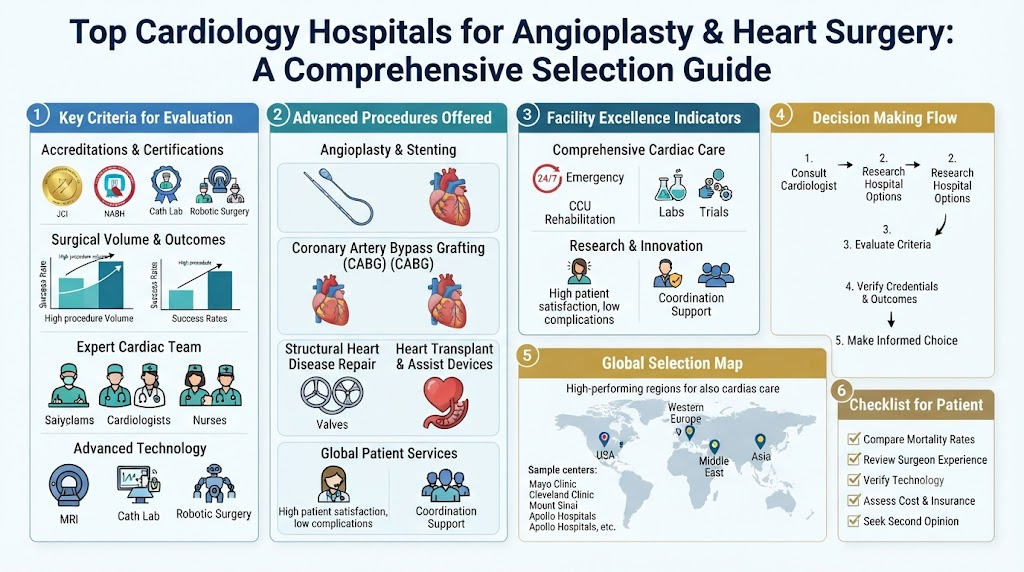
Introduction
The human heart serves as the central engine of the body, pumping blood and delivering oxygen to vital organs. When cardiovascular diseases affect this delicate system, specialized care becomes a necessity. Choosing the right medical institution is a critical step in addressing complex cardiac conditions effectively. Advanced clinical settings provide access to the specialized teams and tools needed to manage intricate heart conditions.This guide provides a comprehensive overview of modern cardiac care, detailed explanations of interventional and surgical options, and an analysis of the diagnostic tools used by specialists. It also outlines essential factors for evaluating healthcare facilities and maintaining long-term wellness. Navigating these options can be complex, but platforms like MyHospitalNow can help connect patients with trusted information regarding specialized cardiology centers, experienced heart specialists, and advanced cardiac treatment facilities.
Understanding Coronary Artery Disease
Coronary Artery Disease (CAD) is the most prevalent form of heart disease, primarily caused by the narrowing or blockage of the coronary arteries. These blood vessels supply oxygen-rich blood directly to the heart muscle. When the flow of blood is restricted, the heart muscle does not receive the oxygen it requires to function optimally, leading to chest discomfort or permanent muscle injury.
The primary underlying mechanism of CAD is atherosclerosis, a progressive condition characterized by the accumulation of fatty deposits, cholesterol, cellular waste products, and calcium along the inner lining of the arteries. This accumulation forms a material known as plaque. Over time, plaque hardens and narrows the arterial lumen, significantly restricting the volume of blood that can pass through.
[ Normal Artery: Unobstructed Blood Flow ]
  ==================>>==================

[ Atherosclerosis: Plaque Buildup & Narrowed Lumen ]
  =========\\__ Plaque __//=============
            >> Restricted >>
  =========(_____________)==============
Several clinical risk factors accelerate the development of plaque within the coronary arteries:
- High Blood Pressure (Hypertension): Puts continuous mechanical stress on arterial walls, making them more susceptible to injury and plaque accumulation.
- Elevated Cholesterol: High levels of low-density lipoprotein (LDL) cholesterol provide the primary raw material for plaque development.
- Smoking and Tobacco Use: Introduces harmful chemicals that damage the endothelial lining of blood vessels and promote arterial narrowing.
- Diabetes and Insulin Resistance: Accelerates systemic inflammation and alters lipid metabolism, compounding arterial damage.
- Sedentary Lifestyle and Poor Diet: Contributes to metabolic imbalances, obesity, and systemic vascular inflammation.
- Family History: Genetic factors can predispose individuals to early-onset vascular inflammation and cholesterol imbalances.
Timely medical evaluation is critical when dealing with coronary artery disease. If a plaque deposit ruptures, it can trigger the rapid formation of a blood clot that completely obstructs blood flow. This sudden blockage results in myocardial infarction, commonly known as a heart attack. Seeking prompt medical intervention from qualified specialists can stop this progression, preserving heart muscle function and preventing life-threatening complications.
What Is Coronary Angioplasty?
Coronary angioplasty, medically referred to as Percutaneous Coronary Intervention (PCI), is a minimally invasive non-surgical procedure designed to open narrowed or obstructed coronary arteries. It is performed by an interventional cardiologist in a specialized clinical setting. The procedure aims to rapidly restore blood flow to the heart muscle without the need for a major open surgical incision.
The procedure begins with the introduction of a long, thin, flexible tube called a catheter into a blood vessel, typically through the radial artery in the wrist or the femoral artery in the groin. Guided by real-time X-ray imaging, the cardiologist carefully navigates the catheter through the arterial network until it reaches the site of the blockage in the heart.
Once positioned, a sequence of precise therapeutic steps takes place:
- Balloon Angioplasty: A tiny, deflated balloon located at the tip of the catheter is advanced directly into the narrowed segment of the artery. The balloon is then inflated, expanding against the arterial walls to compress the plaque and widen the passage.
- Coronary Stent Placement: After the plaque is compressed, a small mesh tube called a stent is deployed at the site. The stent acts as a permanent structural scaffold, keeping the artery propped open after the balloon is deflated and removed.
- Drug-Eluting Stents (DES): Modern cardiac care routinely utilizes stents coated with specialized medications. These drug-eluting stents slowly release precise doses of medication into the surrounding tissue to prevent the overgrowth of scar tissue, significantly reducing the risk of the artery narrowing again (restenosis).
Angioplasty is recommended under specific clinical circumstances. It is the gold-standard emergency treatment for patients experiencing an acute heart attack, as it quickly clears blockages and restores blood flow. It is also utilized for patients with chronic, severe angina (chest pain) who have not found adequate relief through lifestyle changes and medical management alone.
What Is Heart Surgery?
When coronary artery blockages are too complex, numerous, or accompanied by structural abnormalities, open heart surgery may be required. These surgical interventions are performed by cardiothoracic surgeons to address advanced structural problems within the heart and its primary blood vessels.
Coronary Artery Bypass Grafting (CABG)
Commonly referred to as heart bypass surgery, CABG is performed to reroute blood flow around severely blocked coronary arteries. The surgeon harvests a healthy blood vessel—typically from the patient’s leg (saphenous vein), wrist (radial artery), or chest (internal mammary artery). One end of this healthy vessel is attached above the blockage and the other end below it, creating an alternative pathway for oxygenated blood to reach the heart muscle. This procedure is highly effective for patients with multi-vessel disease or blockages in the left main coronary artery.
Heart Valve Surgery
The heart relies on four specialized valves to maintain unidirectional blood flow. When these valves become severely narrowed (stenosis) or leak blood backward (regurgitation), surgical intervention is required. Valve surgery involves either repairing the patient’s existing valve structure or replacing it entirely. Replacements utilize either mechanical valves constructed from durable materials or bioprosthetic valves crafted from animal tissues.
Advanced Surgical Approaches
Modern cardiothoracic medicine utilizes specialized surgical methods to reduce patient trauma and speed up recovery:
- Minimally Invasive Cardiac Surgery: Instead of dividing the breastbone (sternum) via a traditional sternotomy, surgeons perform operations through small incisions between the ribs. This approach reduces blood loss, limits post-operative discomfort, and speeds up the healing process.
- Robotic-Assisted Heart Surgery: Using specialized robotic systems, surgeons can perform highly intricate procedures with enhanced visualization, precision, and control through microscopic access points.
- Emergency Heart Surgery: Critical structural failures, such as acute aortic dissections, severe trauma, or sudden mechanical failures of the heart valves, demand immediate, life-saving surgical intervention by dedicated, around-the-clock operating teams.
Angioplasty vs Heart Surgery Comparison Table
| Procedure | Common Purpose | Typical Recovery | Approach |
| Coronary Angioplasty | Open blocked coronary arteries | Usually shorter hospital stay (1–2 days); minimal downtime | Minimally invasive catheter-based entry through the wrist or groin |
| CABG Surgery | Bypass multiple or complex blocked arteries | Longer recovery (4–8 weeks); requires structured physical rest | Open-chest or minimally invasive surgical bypass grafting |
| Valve Surgery | Repair or replace diseased heart valves | Varies by procedure; typically requires several weeks of healing | Open-chest, robotic, or specialized transcatheter methods |
| Minimally Invasive Surgery | Treat selected heart conditions through small incisions | Often shorter recovery for eligible patients compared to traditional surgery | Small intercostal incisions avoiding total division of the breastbone |
Conditions Treated at Cardiology Hospitals
Specialized cardiology hospitals possess the comprehensive infrastructure required to accurately diagnose, manage, and treat a broad spectrum of cardiovascular disorders. These conditions range from common chronic vascular diseases to acute, life-threatening cardiac emergencies.
- Coronary Artery Disease: The chronic accumulation of arterial plaque that restricts oxygen delivery to the myocardium, requiring medical, interventional, or surgical strategies.
- Heart Attack (Myocardial Infarction): An acute emergency where an artery becomes completely blocked, cutting off blood supply and demanding immediate reperfusion therapy to limit muscle death.
- Angina: Chronic or unstable chest pain caused by temporary reductions in blood flow, serving as a primary indicator of advanced underlying arterial disease.
- Heart Valve Disease: Structural malfunctions of the aortic, mitral, tricuspid, or pulmonary valves that impair the heart’s pumping efficiency.
- Arrhythmias: Electrical conduction disorders causing the heart to beat too quickly, too slowly, or irregularly, managed via medical therapies, ablation, or pacemaker implantation.
- Heart Failure: A chronic condition where the heart muscle weakens or stiffens, preventing it from pumping an adequate volume of blood to meet the metabolic demands of the body.
- Congenital Heart Disease: Structural defects in the heart’s chambers, valves, or major vessels that are present from birth, requiring lifelong specialized monitoring or surgical correction.
- Peripheral Artery Disease (PAD): Systemic atherosclerosis affecting blood vessels outside the heart, commonly reducing blood flow to the limbs and increasing overall cardiovascular risk.
Why Choose Specialized Cardiology Hospitals?
Treating complex cardiovascular conditions requires highly specialized expertise and advanced clinical tools. Dedicated cardiology hospitals concentrate these resources to ensure optimal patient care throughout every stage of treatment.
[ Multidisciplinary Heart Team ]
       /       |       \
[Cardiologists] [Surgeons] [ICU Specialists]
       \       |       /
   [ Comprehensive Patient Care ]
Elite Medical Expertise
Specialized centers house dedicated medical teams, including general cardiologists, interventional cardiologists, and cardiothoracic surgeons. These specialists have extensive experience managing rare complications, complex anatomy, and high-risk cases. They work alongside specialized cardiac anesthesiologists, perfusionists, and cardiac nurses who understand the unique needs of heart patients.
Comprehensive Infrastructure
Advanced hospitals feature dedicated Cardiac Intensive Care Units (CICUs) staffed by intensivists trained specifically in post-operative cardiac care. They also provide 24/7 emergency cardiac services, ensuring that teams are always ready to perform emergency angioplasties or life-saving surgeries. This rapid response is critical, as minimizing treatment delays saves heart muscle tissue.
The Multidisciplinary Heart Team
Decisions regarding complex cases are not made in isolation. Specialized institutions utilize a multidisciplinary “Heart Team” approach. Cardiologists, surgeons, imaging specialists, and primary care providers review diagnostic findings together. This collaborative framework ensures that treatment recommendations—whether medical management, angioplasty, or surgery—are based on a comprehensive evaluation of the patient’s overall health and anatomy.
Advanced Cardiac Technologies
The effectiveness of modern cardiac interventions relies heavily on advanced diagnostic and therapeutic technologies. Leading cardiology hospitals invest in cutting-edge toolsets to enhance visualization, improve surgical precision, and optimize patient outcomes.
Catheterization Laboratories and Imaging
Modern Cardiac Catheterization Laboratories (Cath Labs) are equipped with high-resolution digital imaging systems that allow interventional cardiologists to view coronary anatomy with exceptional clarity. These specialized suites enable precise guidance during angioplasties and structural heart interventions.
Advanced Intravascular Diagnostics
Beyond traditional X-rays, specialists utilize advanced diagnostic technologies to view blood vessels from the inside out:
- Intravascular Ultrasound (IVUS): Uses a tiny ultrasound probe at the tip of a catheter to generate detailed cross-sectional images of the arterial walls, revealing the exact composition and volume of plaque.
- Optical Coherence Tomography (OCT): Utilizes near-infrared light to capture high-resolution images within the artery, allowing physicians to measure vessel dimensions and verify that stents are perfectly positioned against the vessel wall.
- Fractional Flow Reserve (FFR): Measures pressure differences across a narrowed segment of an artery to determine if a specific blockage is severely restricting blood flow and requires intervention.
Surgical Innovation
In the operating theater, technology helps minimize physical trauma and expand treatment options. Robotic-assisted surgical platforms provide high-definition, three-dimensional magnification and micro-instrument control, enabling complex work through tiny incisions.
Additionally, Hybrid Operating Rooms combine the advanced imaging capabilities of a Cath Lab with the sterile environment of a traditional surgical suite. This integration allows interventional cardiologists and cardiothoracic surgeons to work side-by-side, performing combined catheter-based and open-surgical procedures simultaneously.
Cardiac Technology Comparison Table
| Technology | Clinical Purpose | Direct Patient Benefit |
| Coronary Angiography | Detect, map, and evaluate blockages in the coronary arteries | Provides an accurate diagnostic roadmap for targeted treatment |
| IVUS | View internal arterial walls using ultrasound technology | Enhances treatment planning and ensures precise stent sizing |
| OCT | High-resolution cross-sectional imaging using light waves | Facilitates highly precise stent placement and optimal deployment |
| FFR | Assess the physiological pressure drop across an arterial narrowing | Prevents unnecessary interventions by identifying clinically significant blockages |
| Hybrid Operating Room | Combine surgical space with high-end interventional imaging | Enables combined procedures, reduces anesthesia time, and enhances safety |
Diagnostic Tests Before Treatment
Before initiating any treatment plan, specialists perform a thorough diagnostic evaluation to assess the heart’s structure, electrical activity, and blood flow. This detailed analysis ensures that recommendations are tailored to the patient’s specific anatomy.
- Electrocardiogram (ECG/EKG): A foundational non-invasive test that records the electrical activity of the heart over time, detecting irregular rhythms and identifying signs of acute or previous muscle injury.
- Echocardiogram: Uses ultrasound waves to create real-time moving images of the heart chambers and valves, allowing doctors to evaluate pumping capacity (ejection fraction) and detect structural abnormalities.
- Stress Test: Monitors the heart’s electrical activity, blood pressure, and heart rate during physical exercise on a treadmill or bicycle (or via pharmacological stimulation) to detect blood flow deficiencies under exertion.
- Cardiac CT Scan: A rapid, non-invasive imaging study that can detect calcium deposits in the coronary arteries or provide detailed anatomical views of the vascular network (CT Angiography).
- Cardiac MRI: An advanced imaging technique that provides detailed views of the heart muscle structure, helping to distinguish between healthy, scarred, or inflamed tissue.
- Coronary Angiography: An invasive diagnostic procedure where a specialized contrast dye is injected directly into the coronary arteries under X-ray guidance, mapping exact locations and severity of blockages.
- Blood Investigations: Comprehensive laboratory markers—including cardiac enzymes (troponin), lipid panels, renal function tests, and metabolic indicators—to evaluate systemic organ health and overall risk factors.
Treatment Planning
Effective cardiac care relies on personalized treatment planning. No single strategy fits every patient; instead, a tailored path is developed based on diagnostic findings, overall medical status, and individual risk factors.
                  [ Patient Diagnosis ]
                            |
         +------------------+------------------+
         |                                     |
[ Medical & Lifestyle ]               [ Advanced Interventions ]
 - Targeted Medications                - Coronary Angioplasty
 - Dietary Optimization                - Bypass Surgery (CABG)
         |                                     |
         +------------------+------------------+
                            |
                [ Cardiac Rehabilitation ]
                            |
               [ Long-Term Follow-Up Care ]
- Lifestyle Modification: For early-stage disease or as a supportive foundation for advanced care, patients adopt specific dietary changes, structured exercise programs, and stress management techniques.
- Medications: Antiplatelet drugs, statins, beta-blockers, and ACE inhibitors are commonly prescribed to manage blood pressure, lower cholesterol, prevent clots, and reduce the heart’s workload.
- Angioplasty: Selected when blockages are localized, accessible, and amenable to balloon expansion and stent stabilization, minimizing procedural downtime.
- Bypass Surgery: Recommended for complex cases, such as multiple blocked arteries, significant left main disease, or when the patient has co-existing conditions like advanced diabetes.
- Cardiac Rehabilitation: A medically supervised program that combines structured physical exercise, lifestyle education, and emotional support to help patients recover safely and rebuild physical strength.
- Long-Term Follow-Up Care: Regular evaluations with a cardiologist help track treatment efficacy, monitor for disease progression, adjust medication dosages, and manage long-term cardiovascular health.
Recovery After Angioplasty
Because coronary angioplasty is a minimally invasive catheter-based procedure, recovery is typically rapid. However, careful adherence to medical guidance is essential to ensure proper healing of the access site and long-term success.
Hospital Stay and Immediate Care
Most patients remain in the hospital for 24 to 48 hours for close observation. Nursing teams monitor vital signs and regularly check the catheter insertion site (wrist or groin) for signs of bleeding or hematoma formation. Patients are encouraged to drink plenty of fluids to help flush the contrast dye from their kidneys.
Activity Restrictions
Upon returning home, patients must modify their physical activity for several days. Heavy lifting, strenuous exercise, and intense physical labor should be avoided to prevent stress on the healing access site. Most individuals can gradually resume light daily activities within a few days, guided by their medical team.
Medication Adherence
Following an angioplasty, taking prescribed medications precisely as directed is critical. Patients are typically placed on dual antiplatelet therapy (DAPT), which combines aspirin with a second specialized antiplatelet medication. This therapy prevents blood clots from forming on or around the newly deployed stent. Stopping these medications early significantly increases the risk of sudden stent blockage.
Lifestyle Improvements and Follow-Up
Long-term success depends on addressing the root causes of arterial disease. Patients should prioritize a heart-healthy diet, manage blood pressure, and participate in scheduled follow-up visits. These appointments allow the cardiologist to assess the treatment site, monitor symptoms, and adjust medications safely.
Recovery After Heart Surgery
Recovery after open heart surgery, such as a CABG or valve replacement, is a gradual process that requires a structured, multi-phase approach to ensure proper tissue healing and restore physical strength.
Intensive Care Unit (ICU) Management
Immediately following surgery, patients are transferred to the Cardiac ICU. Here, specialized teams monitor advanced hemodynamic parameters, respiratory function, and fluid balance. Patients typically remain in the ICU for 1 to 3 days before transitioning to a standard cardiac step-down unit as they stabilize.
Pain Management and Wound Care
Effective pain management is critical not only for comfort but also to allow patients to breathe deeply and cough, which keeps the lungs clear and prevents respiratory infections like pneumonia.
Caregivers provide detailed instructions for managing surgical incisions, whether located on the chest or where donor veins were harvested:
- Keep incisions clean and dry.
- Avoid applying unprescribed lotions, creams, or ointments.
- Inspect incisions daily for signs of infection, such as increased redness, swelling, or unusual drainage.
Rehabilitation and Long-Term Expectations
Physical recovery takes time. The breastbone (sternum) requires approximately 6 to 8 weeks to heal securely. During this period, patients must avoid lifting heavy objects and pushing or pulling with their upper bodies.
Participating in a structured cardiac rehabilitation program is highly recommended. These supervised exercise and education sessions help patients safely rebuild cardiovascular endurance, improve strength, and regain physical independence.
Choosing the Right Cardiology Hospital
Selecting a hospital for advanced cardiac evaluation, angioplasty, or major heart surgery is a pivotal decision that impacts both immediate procedural safety and long-term recovery. Several key factors should guide this evaluation.
Specialized Heart Specialists
The expertise of the clinical team is a primary consideration. Look for institutions staffed by board-certified interventional cardiologists and cardiothoracic surgeons who perform a high volume of cardiac procedures annually. Research indicates that centers with high procedural volumes often achieve better patient outcomes and lower complication rates due to well-established care protocols.
Hospital Accreditation and Facilities
Reputable facilities hold certifications from recognized healthcare quality organizations, demonstrating compliance with rigorous patient safety standards. Furthermore, the hospital must feature modern infrastructure, including advanced Cath Labs, modern surgical suites, and dedicated Cardiac Intensive Care Units (CICUs) staffed by specialized nursing teams.
Emergency Care and Comprehensive Services
Cardiovascular emergencies require immediate intervention. Ensure the institution offers 24/7 emergency cardiac services with dedicated teams ready at all times. It is also beneficial to select a hospital that provides comprehensive care, from initial diagnostic testing through advanced surgery and post-operative cardiac rehabilitation. This seamless continuity of care reduces coordination gaps and supports a smoother recovery.
Hospital Selection Checklist
| Selection Factor | Core Significance | Specific Indicators to Look For |
| Experienced Cardiologists | Ensures accurate diagnostics and well-targeted medical management | Board certifications; professional fellowships; years of dedicated practice |
| Skilled Cardiac Surgeons | Lowers procedural risks and optimizes surgical reconstruction | Track record with complex cases; specialization in minimally invasive techniques |
| Modern Cath Labs | Supports precise, efficient minimally invasive interventions | Availability of high-resolution digital imaging, IVUS, and OCT technologies |
| Cardiac ICU | Provides essential, continuous care during critical recovery phases | Dedicated critical care beds; 24/7 coverage by specialized intensivists |
| Rehabilitation Program | Provides structured support for long-term recovery and lifestyle adjustments | On-site physiotherapists; tailored exercise regimens; nutritional counseling |
Tips for Maintaining Heart Health After Treatment
Undergoing an angioplasty or heart surgery restores blood flow and repairs structural defects, but it does not cure the underlying cardiovascular disease. Maintaining long-term health requires a lifelong commitment to protective heart habits.
       [ Core Pillars of Cardiovascular Health ]
  ===================================================
   Dietary Control | Active Lifestyle | Stress Relief
  ===================================================
   Medication Sync | Pressure Control | Sugar Defense
  ===================================================
- Adopt a Heart-Healthy Diet: Focus on a nutrient-rich diet that emphasizes whole grains, lean proteins (such as fish and poultry), legumes, vegetables, and fruits. Minimize the intake of saturated fats, trans fats, refined sugars, and excess sodium to protect blood vessels from further plaque accumulation.
- Engage in Regular Physical Activity: Work with your medical team or cardiac rehabilitation specialists to design a safe, effective exercise routine. Regular aerobic activity, such as brisk walking, cycling, or swimming, strengthens the heart muscle and improves systemic circulation.
- Manage Blood Pressure and Cholesterol: Monitor these key cardiovascular metrics regularly. Keep blood pressure and lipid profiles within target ranges through a combination of dietary adjustments, lifestyle modifications, and prescribed medications.
- Control Blood Sugar Levels: If you have diabetes, managing your blood sugar is critical. Elevated blood glucose can damage blood vessels over time, accelerating plaque formation and increasing the risk of recurring blockages.
- Commit to Smoking Cessation: Quitting smoking is one of the most impactful choices you can make for your vascular system. Tobacco smoke contains toxins that damage the lining of your arteries, promote blood clotting, and accelerate atherosclerosis.
- Implement Stress Management Practices: Chronic stress can negatively impact blood pressure and overall heart health. Incorporate stress-reducing techniques into your daily routine, such as mindfulness, deep breathing exercises, yoga, or dedicated hobbies.
- Maintain Strict Medication Adherence: Take all prescribed medications exactly as directed by your healthcare team. Never alter doses or discontinue medications abruptly without consulting your cardiologist, as doing so can compromise your treatment outcomes.
Common Myths vs Facts
Myth: Coronary angioplasty permanently cures coronary artery disease.
Fact: Angioplasty is highly effective at opening a localized, critical blockage and relieving immediate symptoms. However, it does not stop the systemic process of atherosclerosis. Plaque can still develop in other areas of the coronary network unless underlying risk factors are managed through consistent lifestyle adjustments and medical therapies.
Myth: Open heart surgery is required for every significant coronary blockage.
Fact: The choice of treatment depends heavily on the number, location, and complexity of the blockages, as well as the patient’s overall health. Many focal blockages are treated safely with minimally invasive angioplasty. Surgery is typically reserved for diffuse, multi-vessel disease or complex anatomical blockages that cannot be resolved via catheter-based methods.
Myth: The recovery process is completely finished once a patient is discharged from the hospital.
Fact: Hospital discharge indicates that a patient is stable, but true physical and vascular healing takes place over the following weeks and months. Participating in structured cardiac rehabilitation, modifying habits, and attending follow-up evaluations are critical steps in ensuring long-term recovery and safety.
Myth: Young, physically active adults do not need to worry about developing heart disease.
Fact: While an active lifestyle reduces risk, cardiovascular disease can still affect younger individuals due to genetic predispositions, severe familial hypercholesterolemia, congenital structural anomalies, or underlying metabolic conditions. Paying attention to symptoms and screening results remains important at every age.
Common Mistakes Patients Make
Managing a cardiovascular condition requires careful attention to medical guidance. Recognizing and avoiding common pitfalls can significantly reduce the risk of complications and support a more effective recovery.
Ignoring Subtle Symptoms or Delaying Care
One of the most dangerous mistakes is ignoring occasional chest discomfort, unusual shortness of breath, unexplained fatigue, or localized pain in the jaw, neck, or back. Attributing these warning signs to minor issues like indigestion or muscle strain can delay crucial medical care, increasing the risk of permanent heart muscle damage during an acute cardiac event.
Stopping Prescribed Medications Prematurely
Some patients discontinue or reduce their medications once they feel better or notice their symptoms have subsided. However, medications like antiplatelets, statins, and blood pressure therapies work continuously behind the scenes to keep blood flowing smoothly and prevent blood clots. Altering these prescriptions without medical oversight can lead to sudden, severe complications, such as stent thrombosis or a recurrent heart attack.
Skipping Scheduled Follow-Up Appointments
Missing follow-up visits with your care team creates gaps in monitoring. These appointments are essential for tracking healing progress, screening for new blockages, checking lab work, and fine-tuning medication dosages. Regular communication with your doctor ensures that any subtle changes in heart function are identified and managed early.
Returning to Intensive Physical Activity Too Quickly
While remaining active is important for long-term health, returning to heavy lifting, intense workouts, or demanding manual labor too soon after a procedure can overstress healing tissues. This is especially critical after major operations like open heart surgery, where the breastbone needs time to fuse securely. Always follow your care team’s gradual activity plan.
Practical Solutions
To avoid these common mistakes:
- Set up automated daily reminders or use pill organizers to ensure you take medications consistently.
- Keep a dedicated logbook of daily blood pressure readings, heart rates, and any physical symptoms.
- Schedule follow-up appointments before leaving the hospital, and treat them as an essential part of your recovery plan.
Real-Life Patient Scenarios
Scenario A: Rapid Intervention During an Acute Blockage
A 52-year-old individual experienced a sudden onset of severe chest pressure and sweating while working. Recognizing these classic symptoms, their family immediately called emergency services, and the patient was transported to a specialized cardiology center.
Diagnostic imaging revealed a complete obstruction in the left anterior descending artery. The interventional cardiology team performed an emergency coronary angioplasty, deploying a drug-eluting stent to clear the blockage and restore normal blood flow within an hour of arrival. Because the intervention was performed quickly, muscle damage was minimized, and the patient returned home within two days to begin a gradual, successful recovery.
Scenario B: Surgical Management for Complex Multi-Vessel Disease
A 64-year-old individual with a history of diabetes noticed increasing shortness of breath and chest tightness during short walks. A comprehensive clinical workup, including an echocardiogram and a coronary angiography, revealed extensive plaque buildup across three major coronary arteries.
Given the complex nature of the multi-vessel blockages and the patient’s underlying diabetes, the hospital’s multidisciplinary Heart Team recommended Coronary Artery Bypass Grafting (CABG) rather than angioplasty. The surgery was performed successfully, creating new pathways around the blocked segments. Following a structured post-operative recovery period, the patient experienced complete relief from chest pain and returned to daily activities with improved energy.
Scenario C: Rebuilding Strength Through Structured Rehabilitation
A 58-year-old individual felt anxious and physically weak after undergoing heart valve repair surgery. Although the operation was structurally successful, the patient was hesitant to exert themselves at home, fearing it might strain their heart.
To address these concerns, their cardiologist enrolled them in a medically supervised cardiac rehabilitation program. Over several weeks, exercise physiologists and nurses monitored the patient’s heart rate and rhythm during tailored physical workouts. This structured guidance allowed the patient to safely rebuild cardiovascular endurance, learn essential heart-healthy dietary habits, and regain the confidence needed to return to an active daily routine.
FAQs (15 Questions)
1.What is coronary angioplasty?
Coronary angioplasty is a minimally invasive, catheter-based procedure used to open clogged or narrowed heart arteries. A small balloon is inflated at the site of the blockage to compress plaque against the arterial wall, and a mesh tube called a stent is typically left in place to keep the artery propped open.
2.When is heart surgery recommended?
Heart surgery is generally recommended when a patient has complex, severe, or multi-vessel coronary artery blockages, significant structural problems with the heart valves, or advanced conditions that cannot be managed safely with medications or minimally invasive angioplasty.
3.What is the difference between angioplasty and bypass surgery?
Angioplasty is a non-surgical, catheter-based treatment that opens blockages from the inside using a balloon and stent. Bypass surgery (CABG) is an open or minimally invasive surgical procedure where a healthy blood vessel is grafted to redirect blood flow around a blocked artery.
4.How long does an angioplasty procedure take?
A standard coronary angioplasty typically takes between 1 and 2 hours to perform, depending on the complexity of the blockages, the vascular anatomy, and the number of stents required. Emergency cases or highly calcified blockages may take longer.
5.Is heart surgery safe?
While all major surgical procedures carry inherent risks, heart surgery is performed under strict safety standards using advanced technologies and specialized teams. Risks depend heavily on the patient’s age, overall health status, and the specific type of surgery being performed.
6.How long is the recovery period after bypass surgery?
A traditional open-chest bypass surgery usually requires a hospital stay of 4 to 7 days, followed by an at-home healing period of 6 to 8 weeks to allow the breastbone and incisions to fuse completely. Full physical recovery can take several months.
7.What lifestyle changes are required after receiving cardiac treatment?
Essential lifestyle modifications include adopting a low-sodium, heart-healthy diet, participating in regular, doctor-approved exercise, managing stress, controlling blood pressure and blood sugar, quitting tobacco products entirely, and maintaining medication schedules.
8.Can coronary artery disease return after an angioplasty or surgery?
Yes. While these procedures effectively treat specific localized blockages, they do not cure the underlying systemic disease. Plaque can still develop in other blood vessels or within a previously treated area if underlying risk factors are left unmanaged.
9.How do doctors decide between performing angioplasty or surgery?
A multidisciplinary Heart Team reviews diagnostic findings, looking at the location, number, and severity of blockages, alongside the patient’s medical history, age, kidney function, and the presence of other chronic conditions like diabetes.
10.What diagnostic tests are performed before undergoing treatment?
Common pre-treatment diagnostic tools include an electrocardiogram (ECG), an echocardiogram to assess pumping function, stress testing, advanced cardiac CT or MRI imaging, comprehensive blood panels, and an invasive coronary angiography.
11.What is cardiac rehabilitation?
Cardiac rehabilitation is a comprehensive, medically supervised outpatient program that includes personalized physical exercise, education on heart-healthy habits, emotional support, and counseling to help patients recover safely after a heart procedure.
12.How do I choose the right cardiology hospital?
Focus on selecting a hospital with accredited cardiac facilities, high-volume cardiac programs, board-certified heart specialists, 24/7 emergency response infrastructure, modern diagnostic and surgical technologies, and a dedicated cardiac rehabilitation program.
13.Can minimally invasive heart surgery be an option for everyone?
No. Eligibility for minimally invasive approaches depends on the specific condition being treated, the patient’s unique vascular anatomy, overall health status, and the experience of the surgical team. Your cardiothoracic surgeon can determine the best option for your case.
14.What symptoms require emergency medical care?
Immediate emergency services should be contacted if you experience sudden, severe chest pain or pressure, radiating discomfort in the arm, neck, jaw, or back, unexplained shortness of breath, sudden dizziness, cold sweats, or extreme nausea.
15.When should I consult a specialist or cardiologist?
You should schedule a consultation with a cardiologist if you have persistent cardiovascular risk factors (like high blood pressure, elevated cholesterol, or a family history of heart disease) or if you experience unexplained chest discomfort, shortness of breath, or heart palpitations.
Final Thoughts
Addressing cardiovascular disease requires a proactive approach focused on early diagnosis, targeted medical care, and specialized treatment. Modern interventions like coronary angioplasty and advanced heart surgery offer effective solutions for opening blocked arteries and correcting structural defects. When performed at dedicated cardiology centers equipped with modern technologies and multi-disciplinary teams, these procedures can significantly improve a patient’s quality of life and long-term health outcomes.However, clinical interventions are only part of a successful recovery. Sustained wellness depends on a long-term commitment to heart-healthy lifestyle choices, consistent medication adherence, active participation in cardiac rehabilitation, and regular follow-up evaluations with qualified specialists. The most appropriate treatment path is always a personalized decision determined by a thorough clinical assessment of each patient’s unique diagnosis and overall health.

Find Trusted Cardiac Hospitals
Compare heart hospitals by city and services — all in one place.
Explore Hospitals